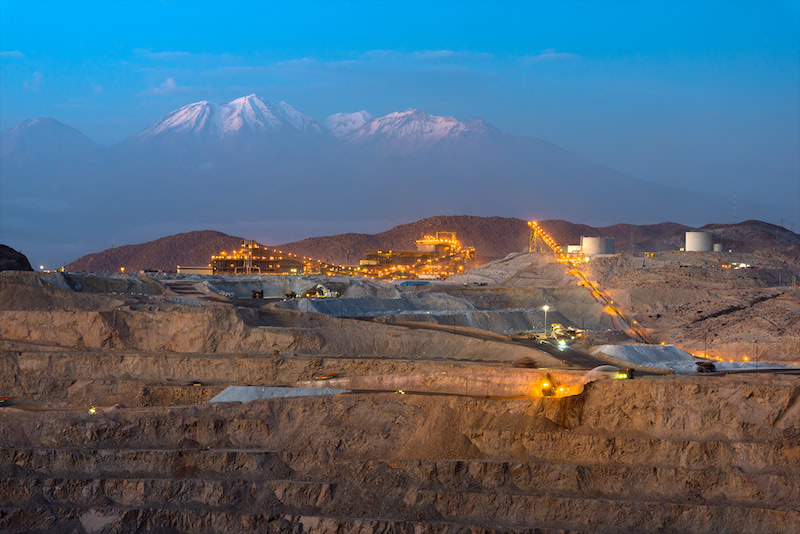
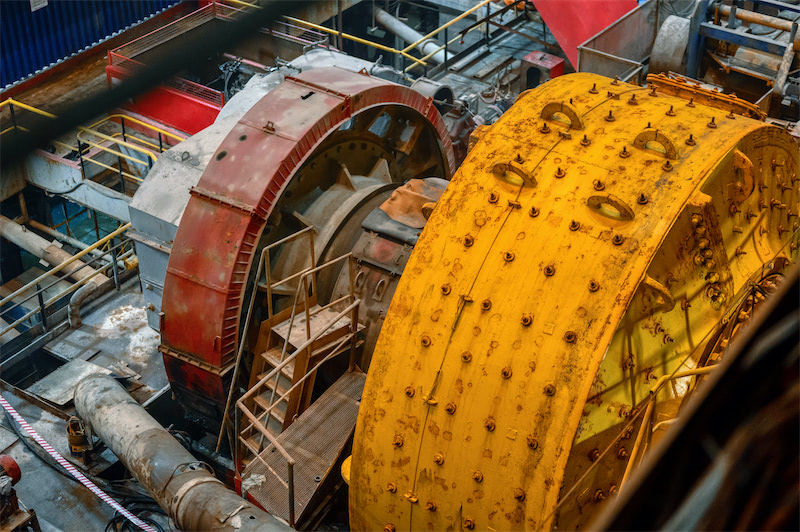
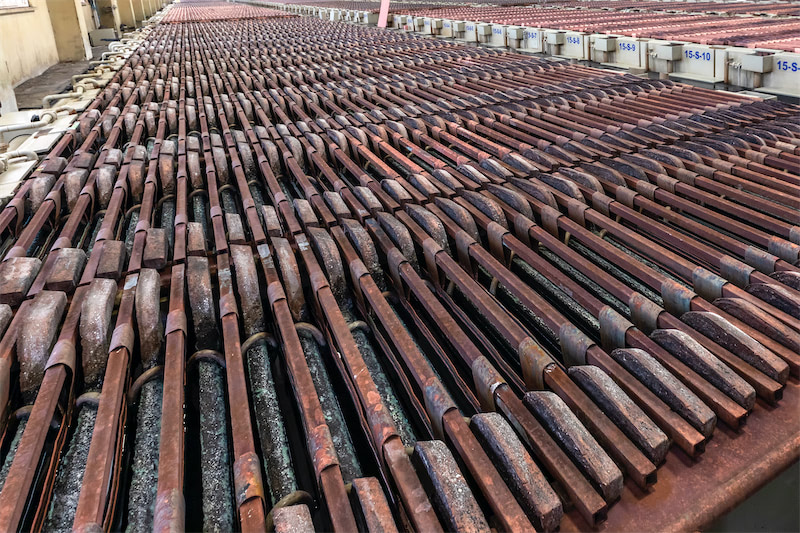
The outbreak disrupted mining production in some countries, but Chile, the world's largest copper producer, overcame the difficulties, producing more copper in 2020 than in 2019.
This helps Chinese copper smelters maintain supply amid tight supply in the market and rising copper prices. But a leading Chilean industry body predicts that while the country is well prepared for a second wave of infections, production could eventually be affected.
Due to the rising infection rate in Chile, some mines, such as the copper mines operated by BHP Billiton's EsCondida (Escondida) and Chile's national copper company (Codelco), are reintroducing the restrictive measures used in the early days of the epidemic, such as banning the movement of people and requiring other workers to work remotely, in order to protect employees and maintain production. They can achieve these goals by delaying some non-essential actions, such as maintenance and civil engineering.
Joaquin Villarino (Joaquin Villarino), director of the Chilean Mining Commission, said that "if the epidemic lasts for another year or six months, then the measures taken by the mine will eventually affect production."
Chile accounts for 4 percent of the world's copper production in mines, with more than 5.8 million tons in 2020, Villarino said, citing data from the copper industry committee (Cochilco), a government agency. This is in line with expectations and is similar to or slightly above 2019 levels. Chile's National Bureau of Statistics is expected to release copper production data for December on January 29.
He said that if industries and individuals continue to abide by the measures taken last year, Chilean mines should be able to continue production even if infection rates rise. However, due to the unpredictability of the virus and its impact, the mining industry still needs to maintain a high degree of vigilance.
Although miners do not have priority over workers in other industries, the mining industry has offered to help the government promote vaccination, Villarino said.
Copper futures have soared to multi-year highs on the back of renewed Chinese demand, frequent supply disruptions and a weak dollar, closing at $3.64 a pound on Wednesday.
However, Villarino has a "clear" understanding of whether copper will enter a new supercycle. He believes that fundamentals suggest that long-term copper prices should be close to $3, not $4.
Viladero believes that while a long period of higher copper prices will bring more wage pressure, that is, a series of collective wage prices, Chilean trade unions understand that prices are cyclical and that mines need to be sustainable for a long time.
High prices are a good sign for Chile's investment prospects, but they are not the only factor in making decisions, as well as political and social stability, he said.
In view of Chile's need to develop a new constitution, Villarino believes that if it can be promoted in a framework of full respect and openness, on the one hand, Chile's international reputation can be enhanced, environmental protection can also be strengthened, and indigenous rights can be effectively safeguarded.