[automobile Summit] where are the opportunities for the localization of materials for the development of the fuel cell industry?

Published: Sep 17, 2020 12:06

SMM9 March 17: at the 2020 (2nd) China Industry Expo New Materials Forum held by SMM-China Automotive New Materials Application Summit and China (8th) Aluminum processing Industry chain supply and demand Trading Summit and China (second) Copper processing Industry chain supply and demand Trading Summit, Hou Zhongjun, Deputy General Manager of SAIC Jie hydrogen Technology Co., Ltd., brought you a keynote speech on "SAIC's fuel Cell vehicle industrialization Progress". Mainly from the development and application of fuel cell technology, SAIC fuel cell, and discussed the common problems existing in the industry, battery materials and other industry focus issues.

Development and Application of fuel Cell Technology

International fuel cell vehicles have gradually entered a period of industrial development.
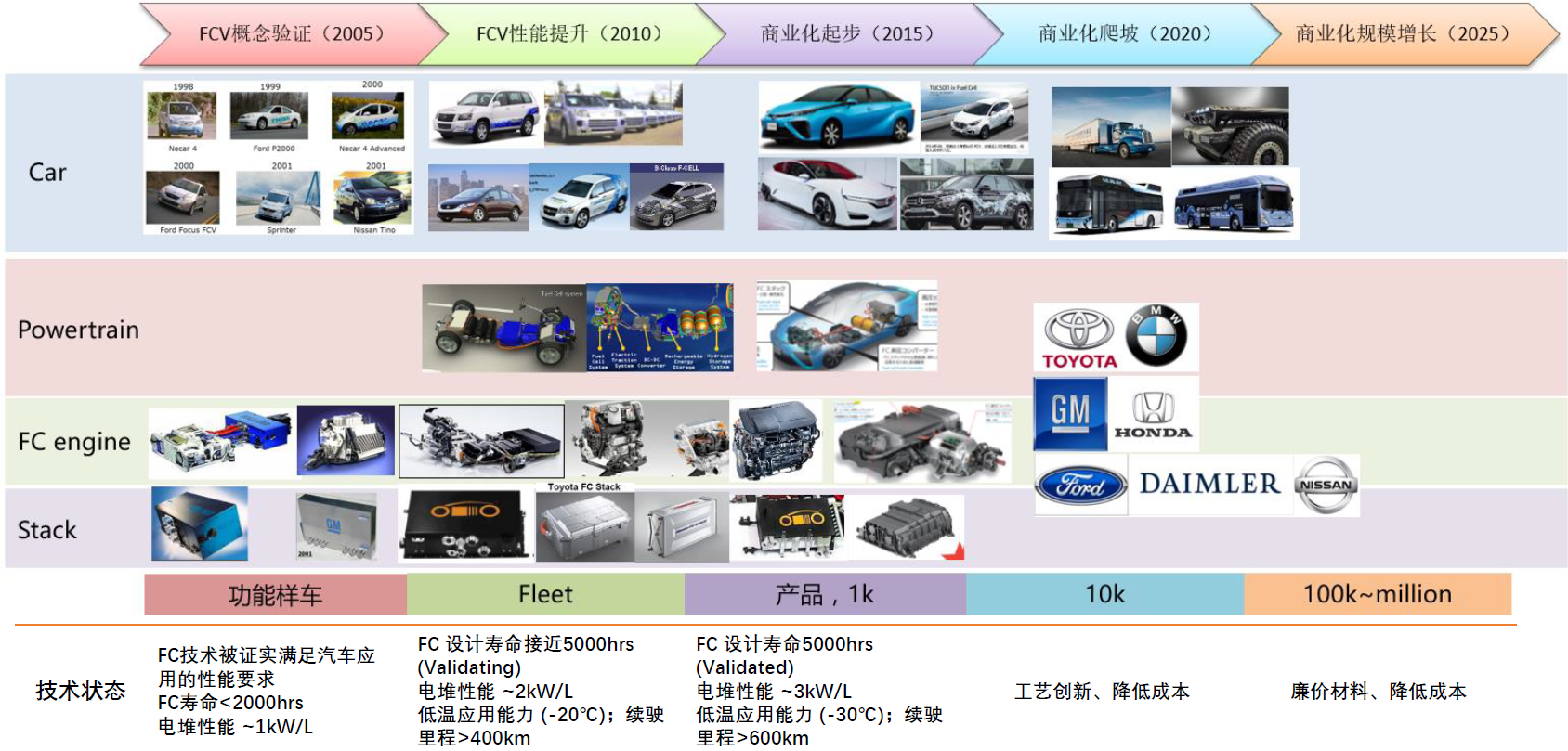
The Development of fuel Cell vehicles in China
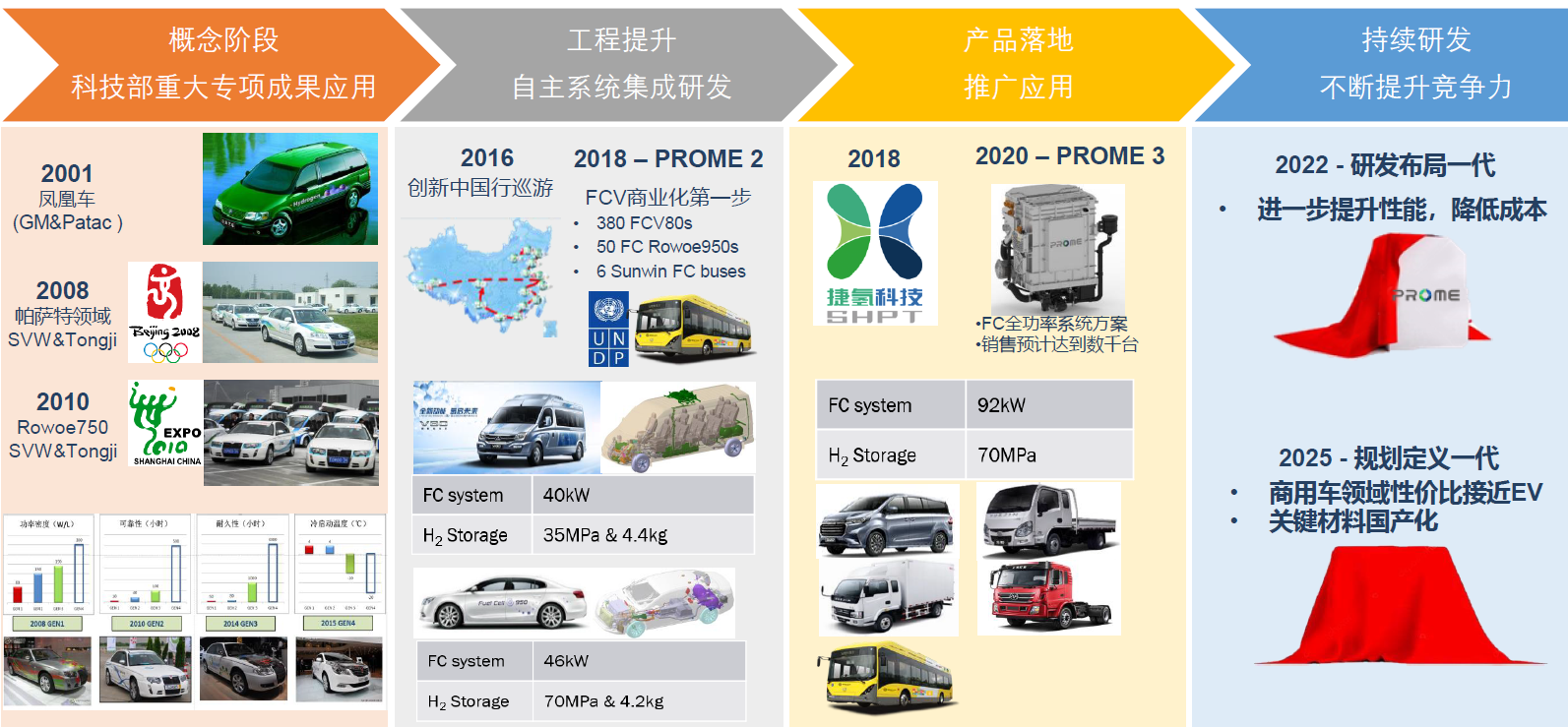
Opportunities for the Development of domestic fuel Cell vehicles
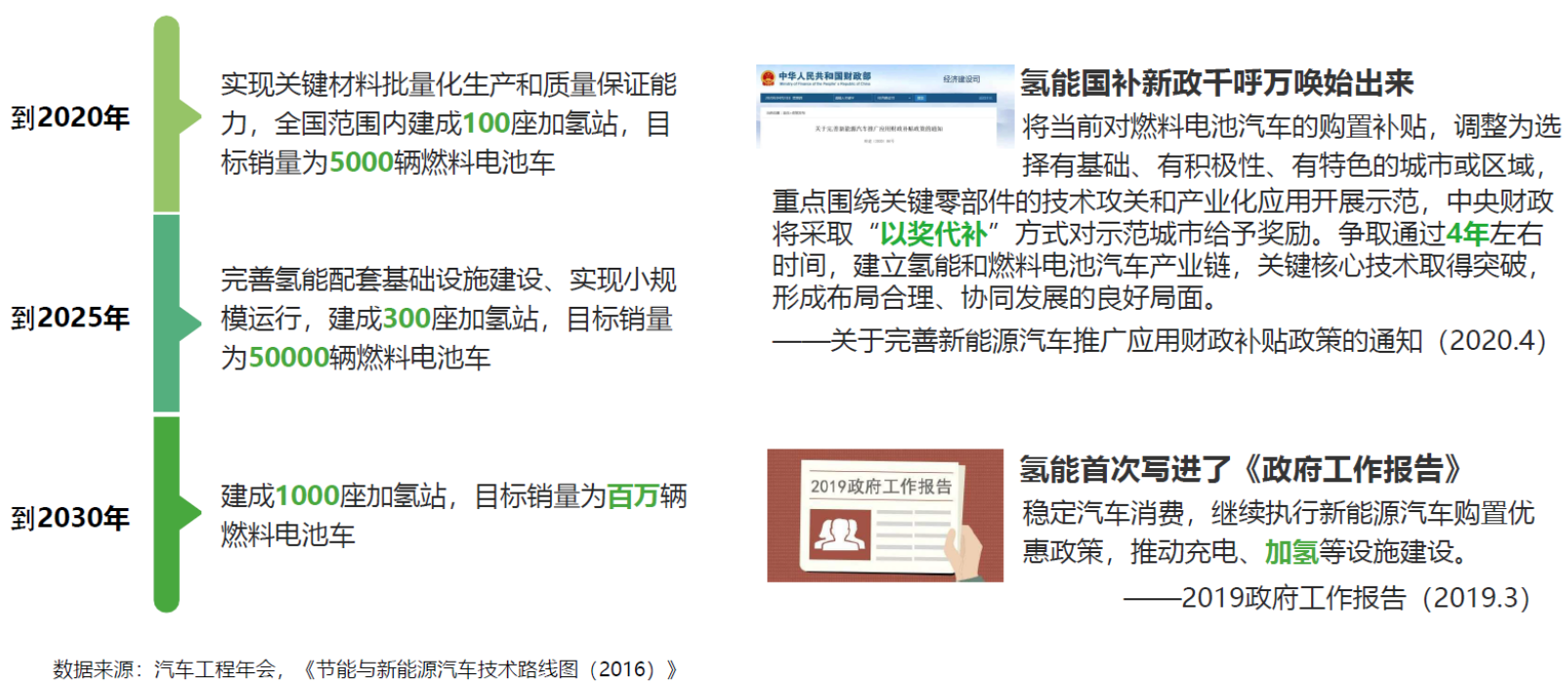
Development of SAIC fuel cell vehicles

SAIC fuel cell vehicle development

The formation of bus, passenger car, light passenger light / medium truck, heavy 5 major vehicle application platform vehicle application platform;

Cover passenger (household,) freight (logistics sanitation) and other scenarios

Take the lead in entering the field of passenger cars with high power stack, reach the international advanced level, and realize national sales.

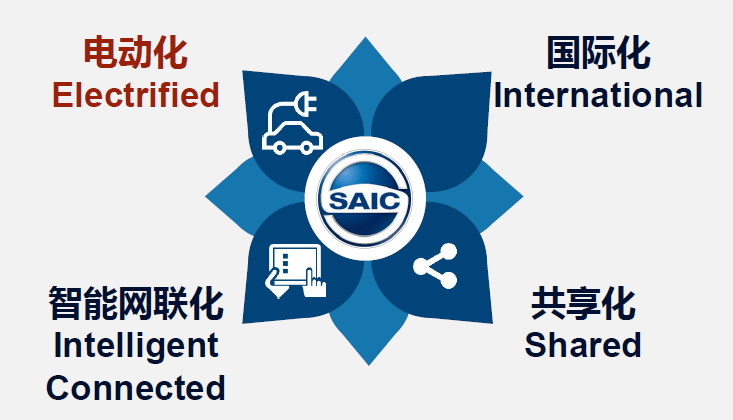
Fuel Cell industrialization Scheme under SAIC's "New four Modernization" Strategy
Common problems existing in the industry at present
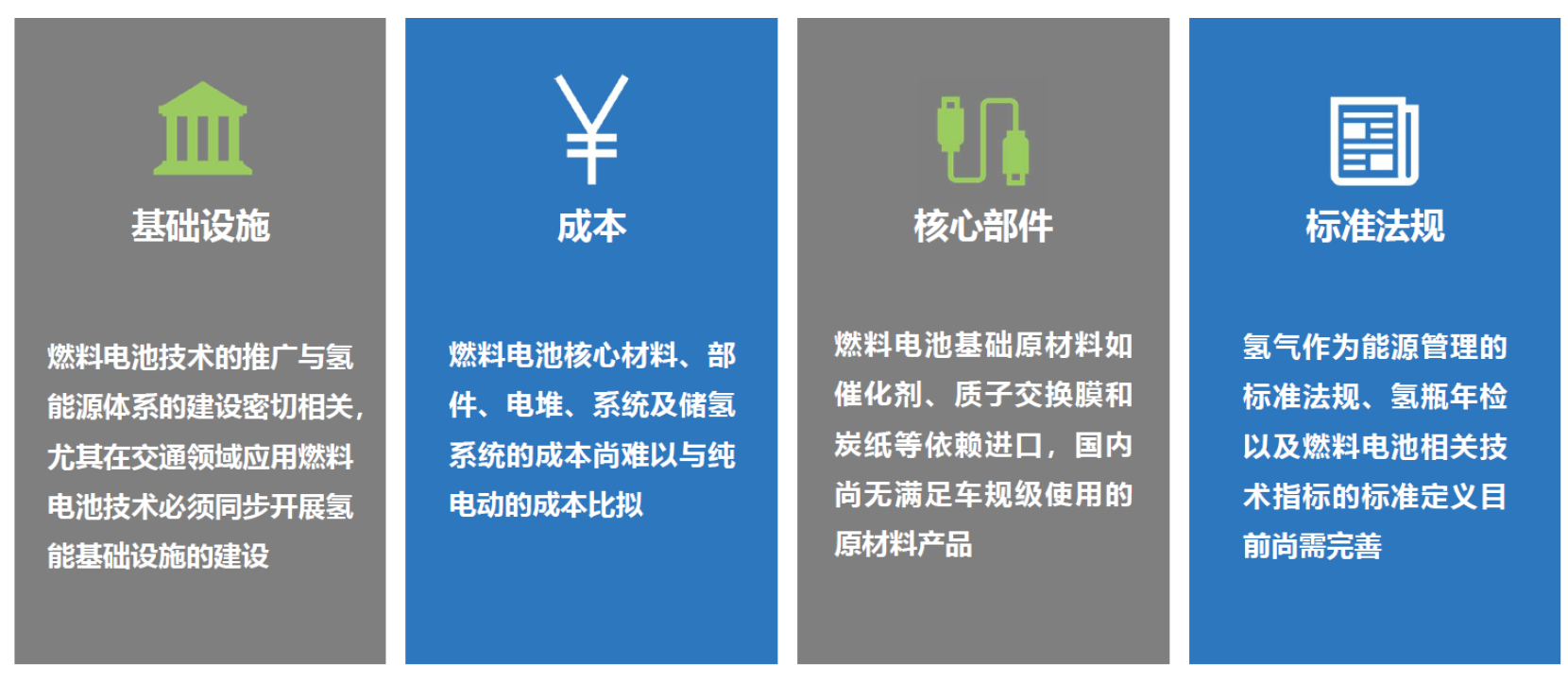
Material problems in the Development of fuel Cell Industry

Cost accounts for a high proportion

High technical content

Key Materials in the Development of fuel Cell Industry in China

There is still a gap between the performance of core materials and international products.

The development of the material industry is still in its infancy, and the scale and quality need to be developed rapidly.

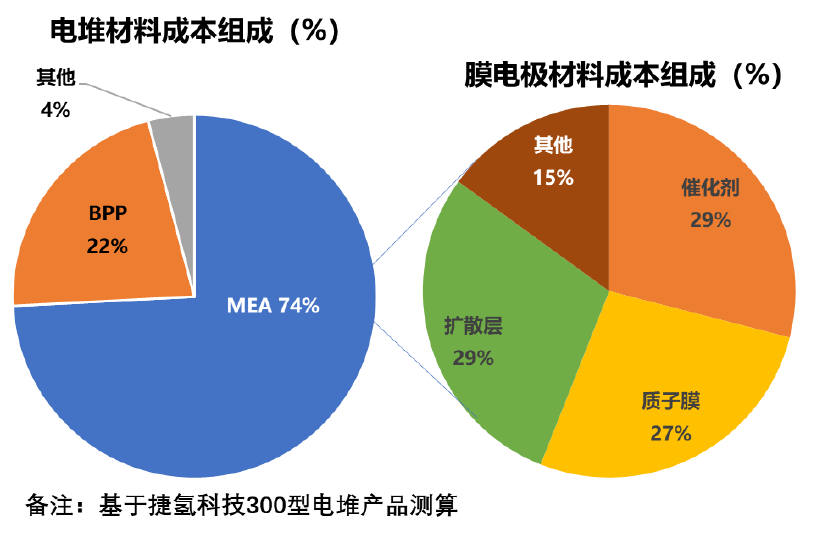
The core material of the membrane pole in the stack needs to have the ability of localization as soon as possible.

The cost of membrane electrode material accounts for 70-75% of the cost of stack material,

Catalyst, proton exchange membrane and gas diffusion layer (carbon fiber paper) account for 80-85% of the cost of electrode materials.

Foreign enterprises basically monopolize the market of three core materials.
The Strategy of promoting the Localization of Core Materials

1. Through the demand traction of product design, cooperate with domestic enterprises and research institutions to improve the performance level of core materials.

2. Through the application pull of the whole vehicle, the quality and capacity of domestic core materials can be improved as soon as possible.

Summary

Fuel cell technology is basically mature, and the automobile has entered the initial stage of industrial development with broad application prospects in the fields of energy and transportation.

After years of continuous development, SAIC fuel cell vehicles have the conditions for industrialization. The current battery products have been put into the market, and the PROME P390 fuel cell system of Jethydrogen Technology has also reached the world-class level, which is accelerating the quantity landing and market promotion and application of the products.

The rapid promotion of the key material industry is that the common problems in the development of China's fuel battery industry need to make a rapid breakthrough through the coordination of upstream and downstream, industry, university and research.

"SMM online Q & A" has come to the market, price, information if you have any questions, feel free to ask!

Scan the QR code and join the SMM Automotive, Battery and Materials Industry Exchange Group
Data Source Statement: Except for publicly available information, all other data are processed by SMM based on publicly available information, market communication, and relying on SMM's internal database model. They are for reference only and do not constitute decision-making recommendations.

For any inquiries or for more information, please contact: lemonzhao@smm.cn
For more information on how to access our research reports, please contact:service.en@smm.cn
Related News
【SMM Aluminum Flash News】Jaya Hind Plans INR 6 Billion Expansion to Boost Aluminium Die-Casting Capacity
8 mins ago
【SMM Aluminum Flash News】Jaya Hind Plans INR 6 Billion Expansion to Boost Aluminium Die-Casting Capacity
Read More
【SMM Aluminum Flash News】Jaya Hind Plans INR 6 Billion Expansion to Boost Aluminium Die-Casting Capacity
India-based Jaya Hind Industries (JHI) plans to invest INR 6 billion (INR 600 crore) over FY2026-27 to FY2027-28 to expand its High Pressure Die Casting (HPDC) and Gravity Die Casting (GDC) capabilities. The investment will cover its Akurdi and Urse facilities in Pune and Chennai, including a new manufacturing facility in Chennai and more than 12 new HPDC machines ranging from 1,200 to 3,500 tonnes. JHI will also expand precision machining, heat treatment, impregnation and powder-coating capabilities as demand for larger and more complex aluminium castings continues to grow.
8 mins ago
【SMM Aluminum Flash News】UK's Eqonic Advances Aluminium-Based Battery Technology Toward Commercial Production
9 mins ago
【SMM Aluminum Flash News】UK's Eqonic Advances Aluminium-Based Battery Technology Toward Commercial Production
Read More
【SMM Aluminum Flash News】UK's Eqonic Advances Aluminium-Based Battery Technology Toward Commercial Production
UK-based Eqonic Group has confirmed aluminum as the core material for its next-generation battery technology and is moving towards industrial validation and commercial production. The battery chemistry uses no lithium, sodium or rare earth materials, with material costs targeted at around 30% of conventional lithium-metal batteries. At scale, Eqonic aims to achieve manufacturing costs of around GBP 50/kWh (US$67/kWh). The company says its aluminum-based chemistry is non-flammable, reducing thermal runaway risks. Eqonic has also been selected for the UK government's GBP 452 million Battery Innovation Programme, supporting its progress towards industrial-scale manufacturing.
9 mins ago
【SMM Aluminum Flash News】Koemmerling Launches Allure S46 Minimal Aluminum Sliding Door System in India
10 mins ago
【SMM Aluminum Flash News】Koemmerling Launches Allure S46 Minimal Aluminum Sliding Door System in India
Read More
【SMM Aluminum Flash News】Koemmerling Launches Allure S46 Minimal Aluminum Sliding Door System in India
Koemmerling has launched its Allure S46 minimal aluminum sliding door system in India, targeting modern residential and commercial projects. The system uses concealed frame profiles integrated into walls, floors and ceilings, together with a slim 20 mm interlock sightline to maximise glazed areas. It supports panels of up to 2 m × 3 m, glazing thicknesses of 28–34 mm and wind pressures of up to 3 kPa, with two-track and three-track configurations available. The launch coincides with the opening of Koemmerling's new experience centre in CBD Belapur, Navi Mumbai, supporting its expansion in India's aluminium fenestration market.
10 mins ago
[automobile Summit] where are the opportunities for the localization of materials for the development of the fuel cell industry? - Shanghai Metals Market (SMM)