SMM7: on July 17th, Yao Dawei of Shanghai Cable Research Institute Co., Ltd. shared the "development and application of ultra-fine copper alloy conductors" at the second China (Yingtan) Copper Industry Summit and the 15th China International Copper Industry chain Summit. The content is mainly divided into four parts: the development trend of copper conductor wire, the demand and technical specification of high-performance copper alloy micro-wire, the development and technical difficulties of high-performance micro-wire and the localization of high-performance wire.

Development trend of copper conductor wire
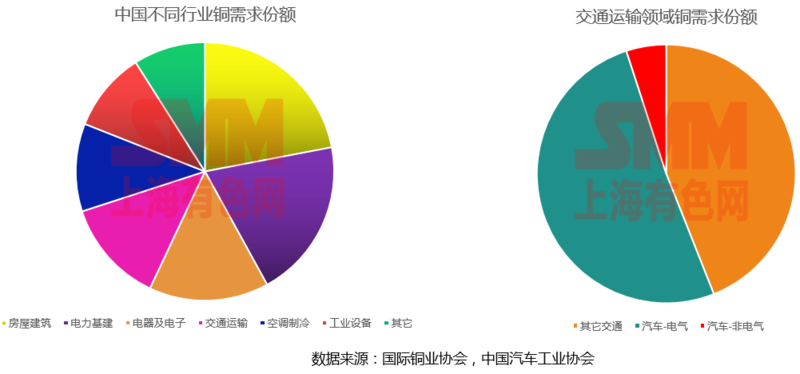
In 2017, China's copper demand was 13368000 tons, accounting for 47% of the world's copper consumption.
In 2017, the demand for copper in China's transportation sector is about 1.7 million tons, of which 56% is used in the manufacture of automotive electrical and non-electrical components.
In 2018, China's production of new energy vehicles increased by 60% compared with 2017.
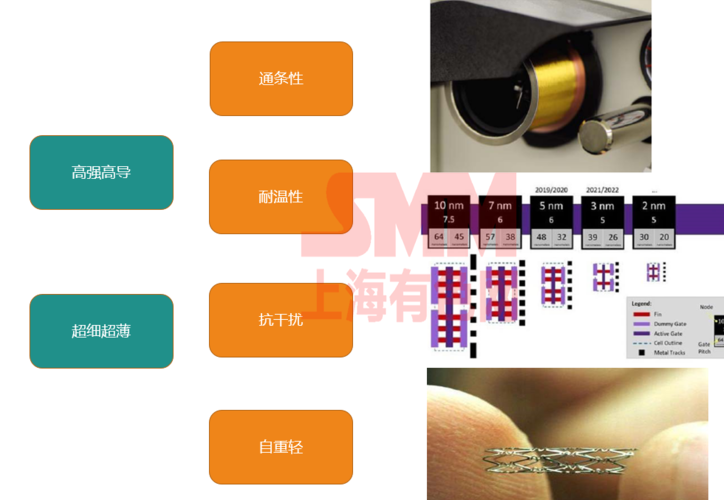

Requirements and technical specifications for high performance copper alloy micro-wires
High-performance copper alloy microwire is not only the key basic material for the development of optoelectronics, microelectronics, aviation, aerospace and other high-tech fields, but also an important support for the development of advanced equipment and information technology in China.
High-performance micro-wire precision production technology is a deficiency of related industries in China. Technological breakthroughs can produce huge social value and economic benefits, contribute to the great-leap-forward development of the next generation of LED, IC chips, large aircraft and manned spaceflight, and stimulate the product market on a scale of 10 billion.
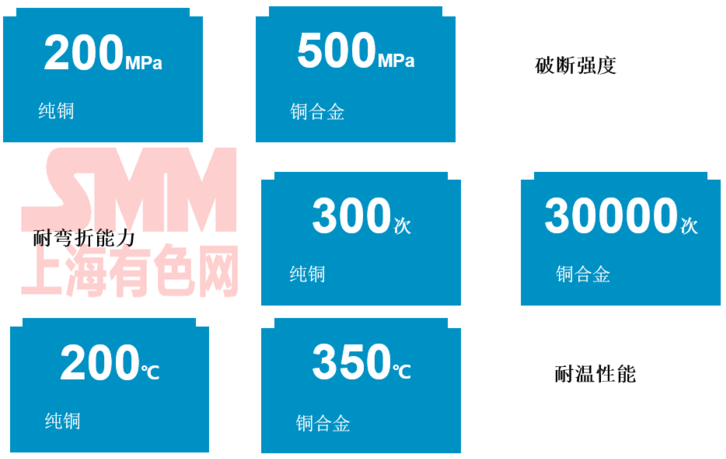
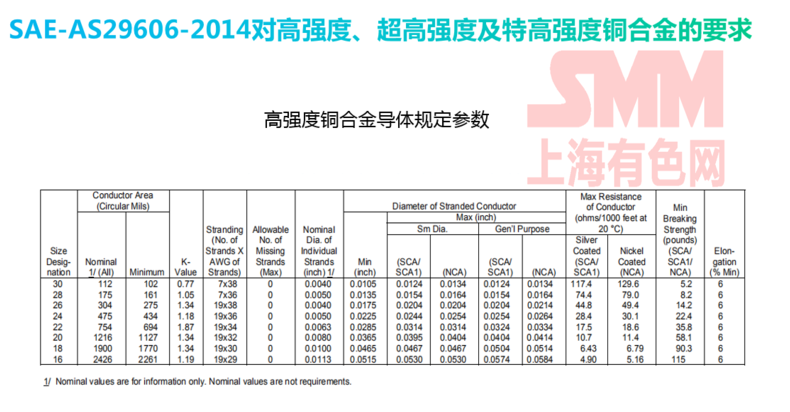
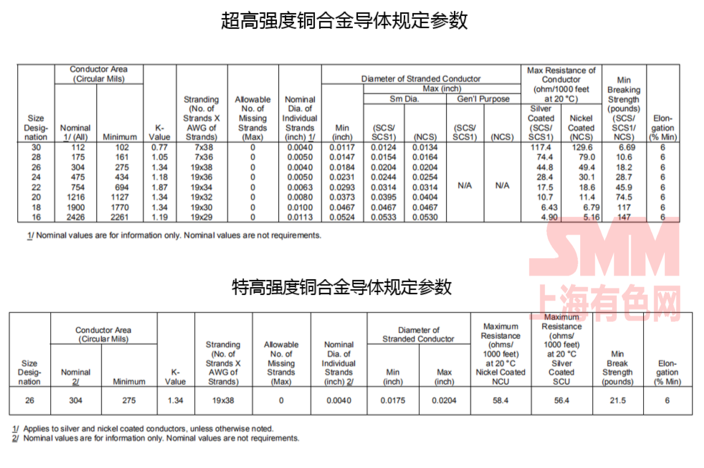
An overview of the performance advantages of alloy conductors
Development and Technical difficulties of High performance Micro-fine Wire Rod
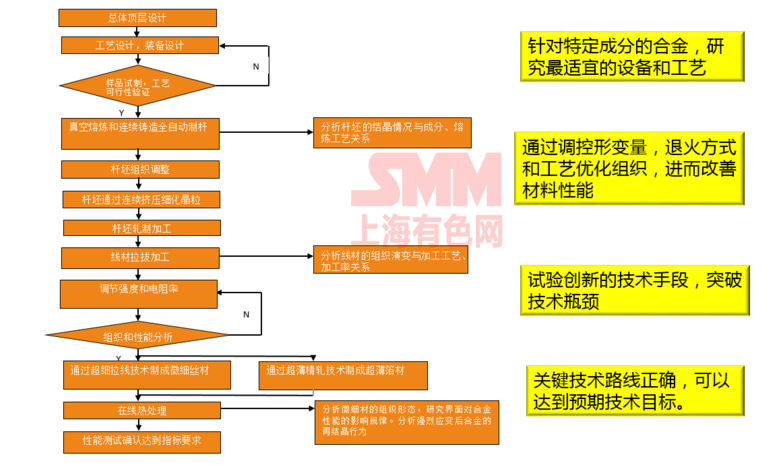
Process flow chart of copper wire drawing

Wire drawing finishing
The wire after drawing often has certain tolerance requirements, for example, the tolerance of the micro-wire below 35AWG is not greater than ±3%, and the tolerance of the micro-wire below 45AWG is not greater than ±5%, and so on. This puts forward higher requirements for wire drawing precision.
The deformation of the material through the drawing die is uniform in the ideal state, but the material will produce additional shear deformation at the entrance. This kind of non-uniform deformation will not cause the decrease of material diameter, but will affect the total plastic deformation. When the geometric parameters of the die are unreasonable, most of the deformation is non-uniform deformation, so it is necessary to reduce the entrance cone angle of the wire drawing die and increase the compression ratio.
Localization of high performance fine wire rod
High-performance copper alloy products are among the key products in the 13th five-year Development Plan of China's new material industry. According to the national strategic material development goal of the 13th five-year Plan, by the end of the 13th five-year Plan, more than 100 key strategic materials urgently needed by China's economic development should be fully localized, and the comprehensive support capacity of key strategic materials should exceed 70%.
The volume of China's copper processing industry accounts for 60% of the world's production capacity, but high-end products still mainly rely on imports. At present, China has not fully solved the large-length, continuous, ultra-pure alloy billet batch preparation technology.
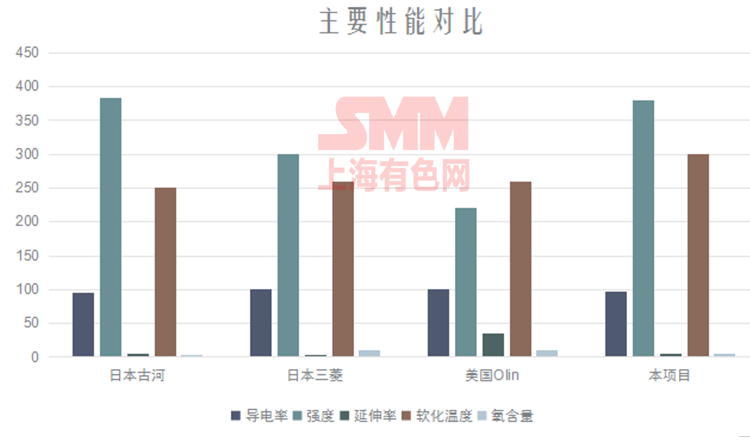
Ultra-fine wire drawing technology and ultra-thin precision rolling technology must be realized by advanced equipment, and various advanced control means must be adopted to achieve the predetermined processing quality and the purpose of efficient and low-cost production.
Scan the code to apply to join the SMM industry communication group: