Zambia plans to implement a new tax system on July 1, and Zambia will introduce a new non-refundable sales tax to replace the existing 16% VAT. Earlier, the International Monetary Fund warned that Zambia is facing high debt and shrinking foreign exchange reserves. The Zambian government owes it more than $180 million in VAT rebates, according to a joint statement issued by Vedanta and KCM. Companies such as KCM in Vedanta Resources and MCM Copper in Glencore have laid off workers and blamed tax changes. Zambia's president said mining companies such as Vedanta and Glencore should withdraw from the country if they do not accept the country's new tax system. Zambia's tax reform seems to have been the trigger for the recent conflict between the Zambian government and the KCM mining industry.
But there have also been different voices in the market about the Zambian government's recovery of control of KCM's assets. Starting in May, the Zambian government said that Zambia would cancel its mining license and bring in new investors because of repeated violations of mining license terms by Vedanta's KCM. At the end of May, Zambia's Ministry of Mines intends to conduct regular reviews of all mines in order to avoid the recurrence of previous violations of the license terms at the KCM copper mine.
In early June this year, after the Zambian court appointed a provisional liquidator to take over the Konkola copper mine (KCM), Vedanta submitted the KCM liquidation case to Johannesburg International for arbitration, following the Zambian government's intention to recover control of KCM assets. And China Nonferrous and Eurasian Resources said they were interested in buying the asset if the Zambian government took back Vedanta KCM.
Vedanta, which owns 80 per cent of KCM, is understood to have said its chief executive, Srinivasan Venkatakrishnan, held talks with the Zambian government at the end of May. The Government assured it that no agreement had been signed with other parties to "sell" KCM. The company says it has tried to comply with Zambian laws and tax requirements. Since the acquisition of KCM in 2004, more than US $3 billion has been invested in KCM, enhancing its processing capacity and extending the life of the mine.
In addition to the Zambian government's dissatisfaction with KCM, the Zambian people also seem to complain about KCM. In April this year, the British Supreme Court ruled that Zambians could sue for water pollution at the Vedanta copper mine in the UK. It also rejected Vedanta's request to limit the proceedings to Zambia. Local people marched through the Chingola area this year to welcome the government's efforts to bring in another investor for KCM.
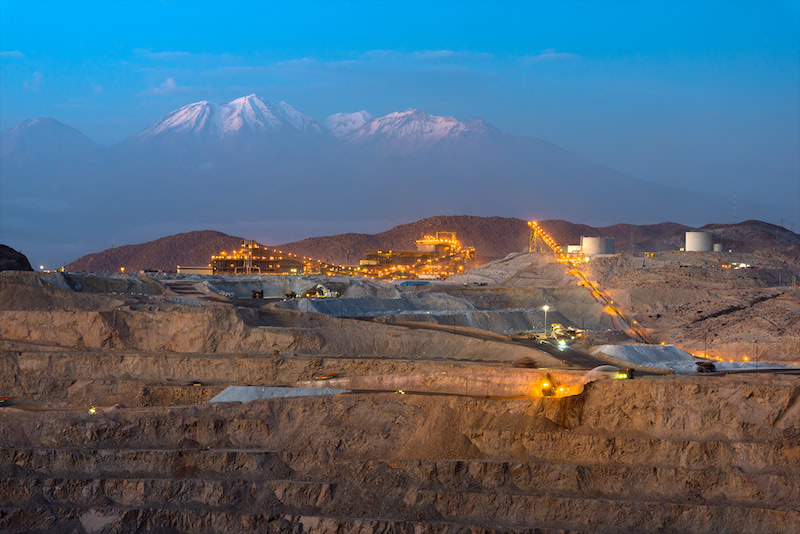
KCM is one of Zambia's largest copper miners, creating about 13000 jobs. Annual copper production reached 90,000 tons in fiscal year 2018-19. Earlier, Anil Agarwal, chairman of Vedanta, said on May 29 that he was prepared to increase the company's copper production in Zambia to 400000 tons and that its subsidiary, Konkola copper Mines (KCM), would create another 10, 000 jobs. Provide more social benefits for employees. Now Vedanta says its Zambian KCM company has not been in production for weeks.
According to SMM, the current tax reform incident in Zambia is not only about the impact of KCM, on other Zambian copper miners, but also that Zambia is the second largest copper producer in Africa because of tax changes. The country is at risk of a sharp drop in copper production. Zambia's copper production is expected to fall by 100000 tons in 2019 compared with last year, according to the Zambian Mining Association. Zambia produced 862000 tons of copper in 2018.
Therefore, judging from the processing fee for crude copper imported by CIF in May, it was quoted at US $160 to US $170 / ton in May, a further decrease of US $5 / ton from the average price in April, and the downward trend is becoming clearer, except for centralized maintenance of domestic smelters. In addition to increasing domestic demand for crude copper, there is also a reduction in production as a result of the impact of the domestic political environment in Zambia. Judging from the current situation in Zambia, if the relationship between the government and copper miners continues to stalemate, the reduction of copper mines in Zambia will form an inevitable trend, and the processing fee for crude copper imported by CIF will continue to be reduced.
(SMM Kwong Tze-si)