by Taras Berezowsky on DECEMBER 10, 2015
Recently, we welcomed the voice of Heidi Brock, president and CEO of the Aluminum Association, to MetalMiner’s digital pages, in an op-ed titled, “The Challenges Are Real, But the US Aluminum Industry Can Still Thrive” — and naturally, our devil’s-advocate nature forces us to ask, can the entire US aluminum value chain still thrive?
Mainly because the US industry is doing its darndest to become more green, while others…not so much.
“North American aluminum’s carbon footprint has fallen by 37% since 1995 and achieved a 26% reduction in energy intensity over the same time period,” Brock writes. “We also know that aluminum can improve the environmental performance of other products through lightweighting and recyclability advantages.”
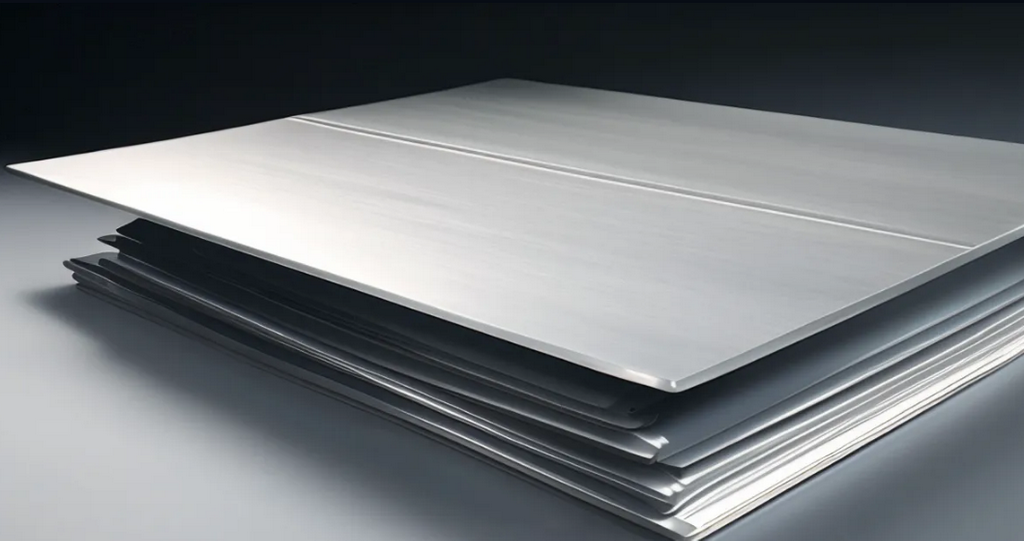
Can primary aluminum production survive this low-price environment? Source: Adobe Stock/icarmen.
However, she continues, “Aluminum production in China is the most carbon intensive in the world, with its coal-based smelters emitting significantly more greenhouse gases per ton of aluminum than its North American and European counterparts. In fact, a ton of aluminum produced in China is nearly twice as carbon-intensive as that same metal produced here in North America. Given the rapid expansion of high-carbon aluminum production in China, many of the efficiency and emissions reduction gains made by the global aluminum industry over the last several decades are being offset.”
Which is doubly troublesome due to the fact that the US Environmental Protection Agency (EPA) has been busy with releasing new rules designed to regulate existing power plants – and which could potentially increase electricity prices for consumers and manufacturers alike.
So what would that mean for US smelters and primary aluminum production in general? To get an expert’s take, I chatted up our editor at large, Stuart Burns:
Q&A with an Aluminum Expert: Will US Smelters Go Extinct?
TB: Do you think, if stringent environmental regulations on power plants come to fruition here in the US, that the potential power cost increases will force US smelting/primary production to eventually go extinct? If so, when?
SB: Extinct? It’s possible; it has happened in the UK largely due to power costs, and US producers are vulnerable to the same pressures. I do think progressively tighter environmental regulations will weigh both on power costs and on the operation of refining plants such as aluminum smelters — but over time.
Tougher environmental legislation will raise average power costs across the US and make it harder for aluminum smelters to achieve the discounted power deals they need to compete in the low-metal-price environment we are likely to have for the balance of this decade. We are already seeing the shutdown of US aluminum smelters that are unable to compete in this low-price environment. As we don’t expect primary aluminum prices to rise significantly in 2016/17, we should expect US smelters to remain under pressure, with more closures certainly possible.
Also of note: The US (uniquely, outside of the Middle East) has access to low-cost natural gas, and the fracking industry may be hurting, but it is still only some 10% off record output levels after a year or more of this Saudi-inspired war of attrition to try and crush them.
Further contraction in fracking will be the order of the day for 2016 and, as a result, natural gas (and oil) prices in the US will rise relative to the rest of the world (they are currently at a discount, we may see something approaching parity in 2016). However, natural gas will remain an attractive power source for electricity generation with all the uncertainty around carbon legislation on coal.
TB: Should the US industry just focus mainly on secondary production, as it has already, given hurdles such as rising power costs and foreign imports of cheap primary metal?
SB: Look no further than the split of Alcoa into primary and downstream activities. Alcoaknows primary has no growth prospects, at least in higher-power-cost locations like Europe and the US, so for them all the growth is downstream and that’s where they are putting their focus.
Where Alcoa leads, others will largely follow. Novelis has no primary production and is totally remelt scrap and downstream, rather like Nucor’s highly successful EAF model in steel. By the end of this year, there will be just four smelters left running in the US, compared to 23 in 2000.
Is this financially logical? Yes, the numbers don’t lie. Is it desirable for the US aluminum industry and wider economy? No, absolutely not. The US is becoming beholden to foreign suppliers and issues such as physical delivery premiums and metal availability will be driven in future by factors outside of the US market. Realistically, there is little that can be done about it, and the US already enjoys some of the lowest power costs among mature economies. Aluminum production should not be subsidized, but there will be ramifications.
![February Primary Aluminum Billet Operating Rates Hit a Nearly Four-Year Low [SMM Analysis]](https://imgqn.smm.cn/production/admin/votes/imagesSDWVM20240508153016.png)