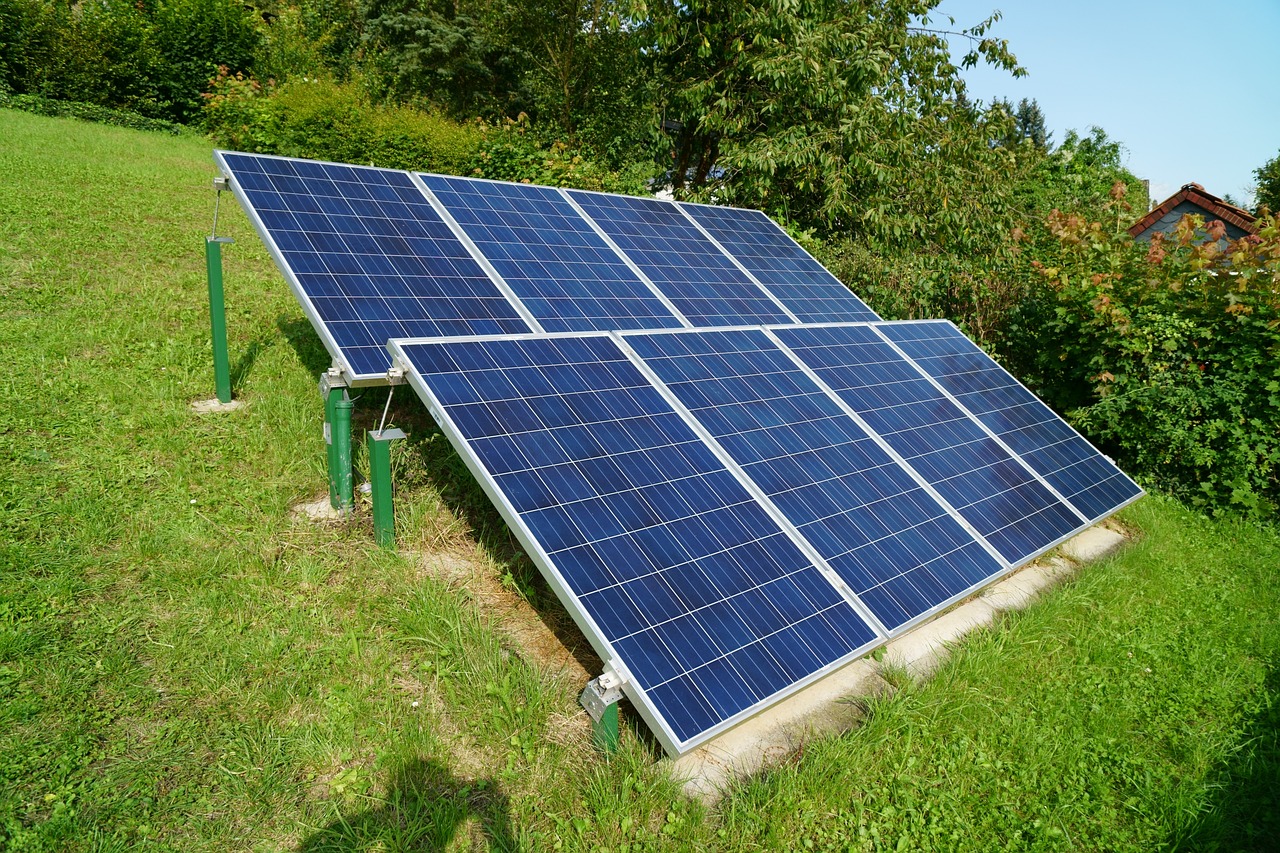
According to the website of the National Bureau of Statistics (NBS), Dong Lijuan, Chief Statistician of the Urban Department of the NBS, interpreted the CPI and PPI data for February 2025. In the equipment manufacturing sector, the prices of PV equipment and components fell by 13.0% YoY, electronic semiconductor material prices decreased by 9.7% YoY, and automobile manufacturing prices dropped by 4.6% YoY, with the declines narrowing compared to the previous month. Post-holiday resumption of work and production accelerated, and electricity demand recovered rapidly. Prices in the power and heat production and supply industry fell by 0.8% YoY, with the decline narrowing by 0.7 percentage points compared to the previous month.
Original text:
Prices Pulled Back in February Due to Factors Such as the Chinese New Year Shift
——Dong Lijuan, Chief Statistician of the Urban Department of the NBS, Interprets the CPI and PPI Data for February 2025
In February, the Consumer Price Index (CPI) decreased by 0.2% MoM and 0.7% YoY, while the Producer Price Index (PPI) for industrial products fell by 0.1% MoM and 2.2% YoY. This was mainly influenced by factors such as the Chinese New Year shift, holidays, and fluctuations in some international commodity prices. Structurally, some areas showed positive price changes. Prices of certain industrial consumer goods and services in the CPI remained stable or increased, while the PPI decline narrowed. The current trend of mild price rebound remains unchanged.
I. The Chinese New Year Shift and Other Factors Caused the CPI to Shift from Growth to Decline; Excluding the Impact of the Chinese New Year Shift, the CPI Still Showed YoY Growth
The YoY decline in the CPI in February was mainly due to three factors:
First, the Chinese New Year shift resulted in a high base for comparison in the same period last year. In February of the previous year, food and service prices rose significantly due to the Chinese New Year, raising the base for comparison this year. As a result, the YoY impact of last year's price changes was negative. According to estimates, of the -0.7% YoY change in the CPI in February, the lagging impact of last year's price changes accounted for approximately -1.2 percentage points, while the new impact of this year's price changes contributed about 0.5 percentage points. Excluding the impact of the Chinese New Year shift, the CPI rose by 0.1% YoY in February, and the current trend of mild price rebound remains unchanged. Among the categories affected by the Chinese New Year, food prices fell by 3.3% YoY, contributing approximately -0.6 percentage points to the CPI YoY decline, accounting for over 80% of the total decline and being the main factor driving the CPI from growth to decline. Airfare and tourism prices fell by 22.6% and 9.6% YoY, respectively, collectively contributing approximately -0.27 percentage points to the CPI YoY decline.
Second, favorable weather conditions in February supported the growth and transportation of fresh vegetables. Nationwide, there were fewer rain, snow, and freezing weather events in February compared to two rounds of such weather in some regions during the same period last year, which had significantly impacted agricultural production and transportation. Fresh vegetable prices fell by 12.6% YoY in February, contributing approximately -0.31 percentage points to the CPI YoY decline. Third, promotional discounts on automobiles. Prices of fuel-powered and new energy passenger cars fell by 5.0% and 6.0% YoY, respectively, collectively contributing approximately -0.16 percentage points to the CPI YoY decline.
II. PPI Declined Due to the Industrial Off-Season, Fluctuations in Some International Commodity Prices, and Other Factors, but the Decline Narrowed Slightly
The MoM and YoY declines in the PPI both narrowed by 0.1 percentage points in February. The PPI decline was mainly due to the following reasons:
First, the period around the Chinese New Year is the industrial off-season, with many construction projects halting, affecting demand for building materials. Due to holidays and cold weather, many construction projects were suspended, leading to weak demand for building materials. Prices in the ferrous metal smelting and rolling processing industry fell by 10.6% YoY, while prices in the non-metallic mineral products industry decreased by 3.5% YoY.
Second, coal supply was sufficient and well-secured during the Chinese New Year. Coal production remained stable overall, and coal stocks at power plants and ports were ample. Coal processing prices fell by 24.7% YoY, while prices in the coal mining and washing industry dropped by 12.5% YoY.
Third, fluctuations in international crude oil prices affected domestic petroleum-related industries. Due to the transmission of international crude oil price fluctuations, domestic petroleum-related industry prices declined. Specifically, petroleum extraction prices fell by 5.1% YoY, organic chemical raw material manufacturing prices decreased by 4.5% YoY, and refined petroleum product manufacturing prices dropped by 1.6% YoY. Meanwhile, as the effects of macro policies gradually became evident, production demand in some industries increased, narrowing the PPI decline.
III. Positive Price Changes Were Observed in Some Areas from a Structural Perspective
First, prices of certain goods and services in the CPI remained stable or increased. In February, energy prices in the CPI rose by 0.6% MoM, with gasoline prices up by 1.3%. Driven by recovering consumer demand, industrial consumer goods prices excluding energy rose by 0.2% MoM and YoY. Among them, prices of cultural and entertainment durable goods, clothing, communication tools, and small home appliances rose by 1.6%, 1.4%, 1.3%, and 1.0% YoY, respectively. Due to fluctuations in international gold prices, the YoY increase in gold jewelry prices expanded to 38.6%. Prices in some service industries rose steadily, with movie and performance ticket prices up by 3.1% MoM, rental prices up by 0.1% MoM, and prices for domestic services and hairdressing up by 2.6% and 1.0% YoY, respectively. Prices for dining out rose by 1.2% YoY, while education and medical service prices increased by 1.3% and 0.6% YoY, respectively.
Second, demand for industrial products was steadily released, leading to slight price increases in related industries. In the consumer goods manufacturing sector, prices in the cultural, educational, sports, and entertainment goods manufacturing industry rose by 1.1% MoM, while prices in the alcoholic beverages and refined tea manufacturing industry increased by 0.2% MoM. Prices in the tobacco products industry, furniture manufacturing, clothing manufacturing, and household kitchen appliance manufacturing all rose by 0.1% MoM. The development of industries such as new energy and artificial intelligence drove prices in the non-ferrous metal mining and dressing industry and the non-ferrous metal smelting and rolling processing industry to rise by 1.8% and 0.3% MoM, respectively.
Third, the supply-demand structure in some industrial sectors improved, and the pace of price declines slowed. In the equipment manufacturing sector, prices of PV equipment and components fell by 13.0% YoY, electronic semiconductor material prices decreased by 9.7% YoY, and automobile manufacturing prices dropped by 4.6% YoY, with the declines narrowing compared to the previous month. Post-holiday resumption of work and production accelerated, and electricity demand recovered rapidly. Prices in the power and heat production and supply industry fell by 0.8% YoY, with the decline narrowing by 0.7 percentage points compared to the previous month.
![[태양광: 뉴저지, 발코니 태양광 법안 통과]](https://imgqn.smm.cn/usercenter/GOtTW20251217171740.jpg)
![[태양광: 8월 포르투갈에서 태양광 발전량이 사상 최고치를 기록]](https://imgqn.smm.cn/usercenter/CpbPE20251217171736.jpg)
![[솔라: 브라질 상원, 재생에너지 사용과 연계한 데이터센터 세제 혜택 승인]](https://imgqn.smm.cn/usercenter/mfLxa20251217171736.jpg)