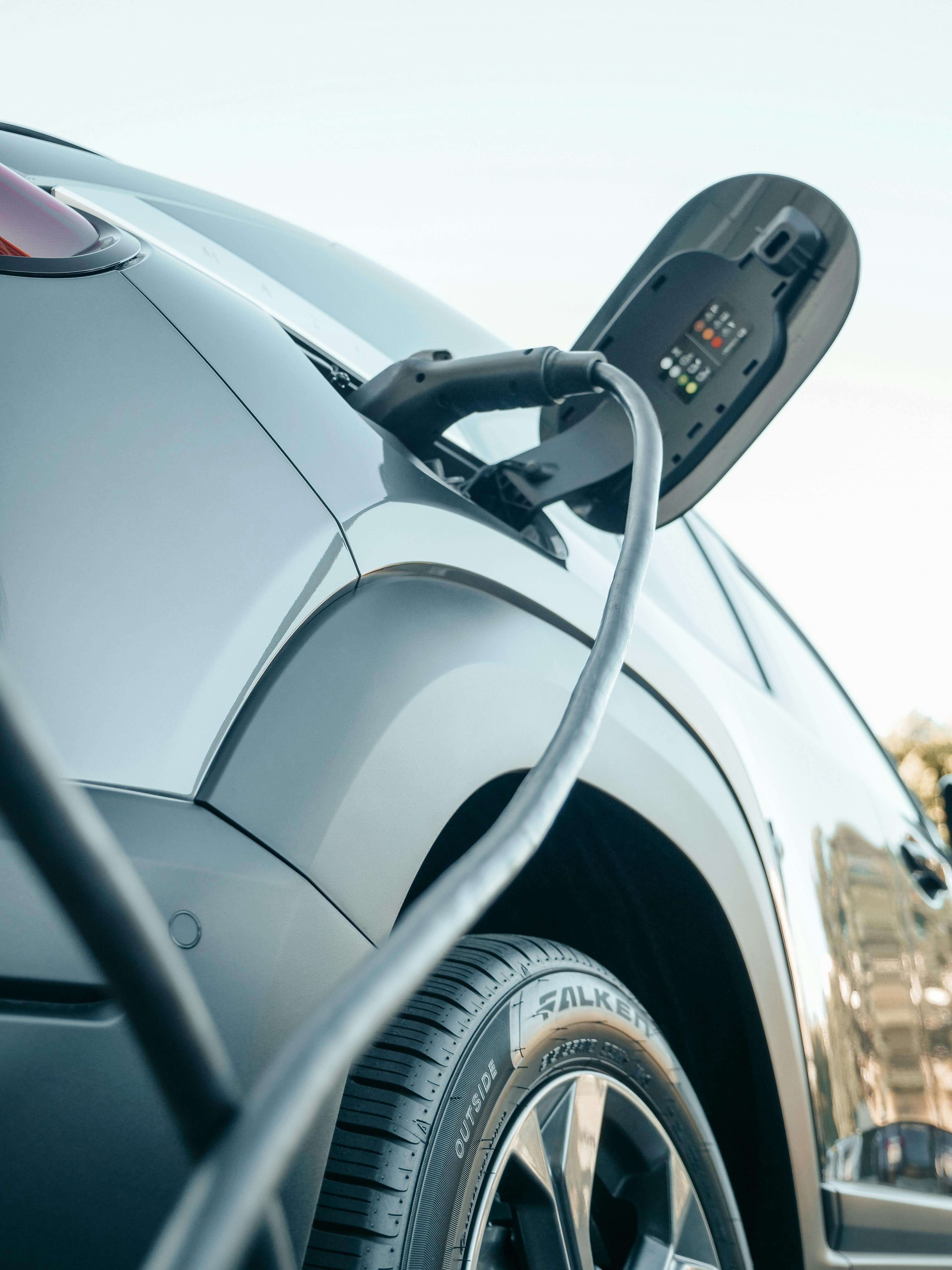
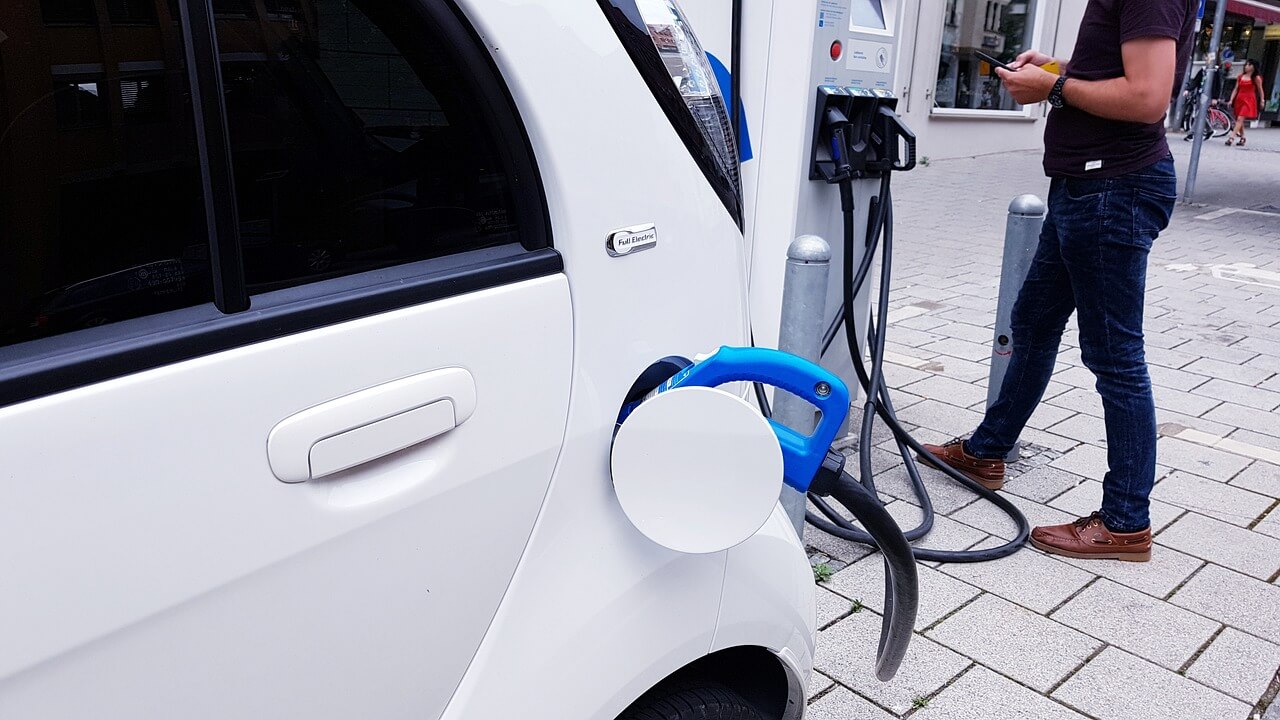
On January 22, 2025, Nissan Motor Company announced plans to build an LFP (lithium iron phosphate) battery factory in the Hibikinada area of Wakamatsu Ward, Kitakyushu City, Fukuoka Prefecture, Japan. This project is a key component of Nissan's electrification strategy, aiming to reduce costs and enhance market competitiveness through in-house battery production.
The details of the project are as follows:
Investment Scale: The factory construction is expected to involve an investment of 153.3 billion yen (approximately $985 million), with a land area of about 150,000 m².
Capacity Plan: The factory is expected to have an annual capacity of 5 GWh, primarily producing LFP batteries, which will be used in small EVs in the future.
Technology Path: Nissan has chosen LFP batteries as the power source for its next-generation EVs. This battery technology has garnered market attention for its advantages, including low cost, high safety, and long life.
Policy Support: The project has received certification and subsidies from Japan's Ministry of Economy, Trade, and Industry (METI) to ensure the local supply of critical components.
Construction and Operation Timetable: The factory is scheduled to begin construction in 2025 and is expected to commence production in 2028.
Nissan is accelerating its electrification transition, aiming to increase the proportion of EVs in its total production from 9% to 40% by 2030. As a critical step in its electrification strategy, Nissan is building a battery factory to achieve in-house battery production, thereby reducing costs and enhancing market competitiveness. This initiative also helps reduce reliance on external suppliers, strengthening the stability and security of its supply chain. Additionally, Nissan plans to launch several EV models in the coming years, including small EVs developed in collaboration with Renault. The new battery factory will provide stable power support for these car models, further advancing its global market presence.
With Nissan increasing its investment in EVs, its share in the global EV market is expected to grow further. Meanwhile, the production of LFP batteries will intensify market competition with companies such as CATL and BYD. This project is expected to bring new economic growth points to Fukuoka Prefecture and Kitakyushu City, promoting local employment and the development of related industry chains.
The construction of this battery factory marks an important step in Nissan's electrification transition. In the future, Nissan will continue advancing the R&D and production of all-solid-state batteries (ASSB), aiming to achieve mass production of ASSBs by 2029. This technological breakthrough will further enhance Nissan's competitiveness in the EV sector. Nissan's investment in building a battery factory in Japan not only supports its electrification strategy but also injects new vitality into the global EV market.
SMM New Energy Industry Research Department
Cong Wang 021-51666838
Xiaodan Yu 021-20707870
Rui Ma 021-51595780
Ying Xu 021-51666707
Disheng Feng 021-51666714
Yujun Liu 021-20707895
Yanlin Lü 021-20707875
Zhicheng Zhou 021-51666711
Haohan Zhang 021-51666752
Zihan Wang 021-51666914
Xiaoxuan Ren 021-20707866
Yushuo Liang 021-20707892
Jie Wang 021-51595902
Yang Xu 021-51666760
Bolin Chen 021-51666836
![[SMM 분석] 수소 산업 구조조정 심화: 적자 압박 속 실행력이 관건](https://imgqn.smm.cn/usercenter/ezoBg20251217171730.jpg)