The electric vehicle revolution is gathering unprecedented momentum, driving not just a sea change in the automotive industry but also reordering the global metals market. In the race for cleaner, greener transportation, demand for electric vehicles has soared, creating an urgent need for certain metals critical to EVs and their batteries. With the rising investment in electric vehicle technology and the government's incentives to lower carbon emissions, what are the metals that would stand tall as giants in this high-flying market? The blog covers those metals that are about to witness an unprecedented surge in demand-from lithium and nickel through copper, cobalt, and beyond. In this blog, we also have shown how SMM can provide businesses with the insights and data needed to navigate the transformative era.
The global move to electric vehicles is driven by many reasons that range from the dire need to fight climate change to improved technology for batteries and consumer preference for more feasible alternatives to the conventional internal combustion engine car. Most governments around the world offer subsidies, tax credits, and tougher emission standards as incentives for the adoption of EVs. The result is exponential growth in EV production, which increases the demand for the raw materials needed in the manufacture of such vehicles.
It also represents significant demand, led by certain key metals fundamental to the production of EVs-impacting batteries, motors, and infrastructure-already highly in demand and likely to become yet more expensive with rising EV manufacturing.
Lithium: The Heart of the EV Battery
Of all the metals involved in the EV industry, lithium is probably the most critical. This lightweight, highly reactive metal forms one half of the lithium-ion battery, the standard powerhouse for most electric vehicles. As the world moves to adopt more EVs, demand for the metal is set to shoot through the roof. The global lithium market is set to witness a CAGR of 16.3% from 2023 to 2030.
Lithium in EV Production: Why It Is So Important
Li-ion batteries are favored in EVs for their high energy density, long life cycles, and relatively low weight-the reasons they are ideal for automotive applications. As manufacturers start to ramp up the production of EVs, demand is likely to exponentially increase for lithium. The primary hosts of the metal are Australia, Chile, and China, but supply chain complications, geopolitical concerns, and limited resources already seem to put pressure on the industry.
Due to its supply lagging behind its demand, lithium has surged upwards in its price value over the years and is seen as one of the best candidates in the market boom during these near years to come. Companies engaged in extraction and processing are already feeling the pressure to upscale their operations on account of growing demand. Accordingly, the general market prices of lithium may be forecasted to continue to rise henceforth, affording very lucrative opportunities in the investment and business section of the metals.
Nickel: The Unsung Hero of EV Batteries
Besides lithium, nickel is also one of the metals that has become quite indispensable in electric vehicles. This resistant metal is used in the manufacturing process for two of the most widespread chemistries in EV batteries: NCA and NMC batteries. The role of nickel in manufacturing electric vehicles has become even more important because it raises the energy density of the batteries while simultaneously bringing down their cost.
Role of Nickel in EV Battery Efficiency
Nickel becomes crucial for improving performance and reach in electric vehicles. It's used in the cathode of a battery to help increase energy capacity and efficiency. As more and more automakers focus on extending the reach of batteries, high-nickel content batteries have become increasingly in demand. Nickel is going to be an even more key component in the EV supply chain, and some forecasts are that demand for nickel will surge significantly by 2040.
Indonesia, the Philippines, and Russia lead in nickel production, but their supplies will need to be complemented with other reliable, long-term sources of the metal. The scramble by electric vehicle makers and battery manufacturers for supplies will drive the price for the metal up considerably.
Cobalt: Unsung Hero in Ensuring Stability
Another important metal that has also been utilized in EV battery manufacturing, and specifically in the cathode materials of lithium-ion batteries, is cobalt. It significantly contributes to increasing the performance and stability of batteries, thereby giving them longer life. In fact, many of the same battery chemistries featuring nickel, such as NMC and NCM, include cobalt to optimize energy density and extend lifespan.
The Challenges of Cobalt Supply
On the other hand, for EV manufacturers, cobalt is a big headache. There is strong dependency on very limitedly sourced metal with ethical barriers to its extraction. Actually, supplies of over 60% come from the Democratic Republic of Congo where mining activities are regularly linked to abuses of human rights and substantial environmental degradation. This again raises great interest in responsible sourcing, the use of alternative battery chemistries using less or no cobalt at all.
However, as the EV market continues to grow, demand for cobalt will similarly rise, placing the metal firmly in the sights of many watchers over the next few years. If companies can get through the supply chain problems and other ethical issues about mining cobalt, they will have a lot to gain from its growth in the EV market.
Copper: The Backbone of Electric Vehicles
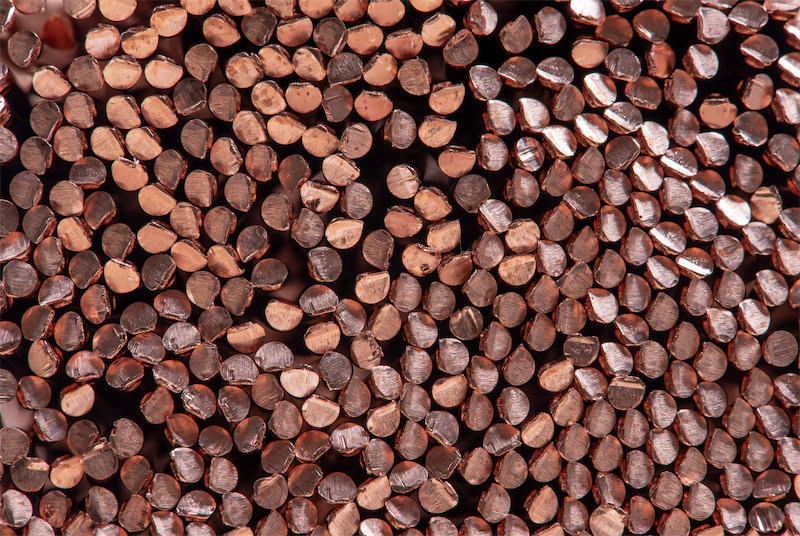
While lithium, nickel, and cobalt steal the show, copper is the unsung hero of the electric vehicle revolution. This versatile metal finds its application in a host of electric vehicle components, majorly in wiring, motors, and charging infrastructure. As a matter of fact, an electric vehicle requires almost four times the amount of copper as compared to a conventional internal combustion engine vehicle.
Copper Demand from EVs on the Rise
The global demand for copper will only surge with the global adoption of electric vehicles. Electrical systems in electric vehicle motors, batteries, and charging stations are highly dependent on copper. All this growth in copper demand is further spurred by the transition into renewable energy sources like solar and wind power, both technologies using copper intensively in their electrical components.
Analysts believe demand from EVs and renewable projects will soon leave copper supplies in short supply, which could drive up the price and open up further investment avenues in copper mining and production.
Tin: The Metal with Growing Prospects
Another metal likely to see rapidly growing demand from the electric vehicle boom is tin. The major use for this metal is soldering electronic components, something that becomes necessary much more extensively than ever before as modern electric vehicles make increasingly deep use of electronic systems. There are some battery technologies that also involve the use of tin, adding to its relevance within the EV sector.
Application of Tin in EVs: Electronics and Batteries
With increased sophistication, further advanced electronics with electric vehicles, plus smart features, the quality of soldering and other types of tin is likely to continue growing in demand. All that added to the fact that, other than this, tin is used for anodes for lithium-ion batteries-sometimes to great demand in their own right-tin may become far more interesting in the metal markets dealing in the future EV metal.
SMM: Your Passage to the Metals Market
With the increasing demand for electric vehicle-related metals, market trends, price, and supply chain movement are crucial factors that affect how companies operate. Shanghai Metals Market offers a wide array of services that will enable the business to stay on top in the metal industries.
Boasting a team of more than 50 professional industry analysts who track fundamental metals, including copper, aluminum, lead, zinc, nickel, and tin among others, SMM provides the latest market trends, production data, inventory, and forecasts. To this date, reports have been released from SMM daily, weekly, monthly, and yearly to play an indispensable role in driving effective decisions for businesses through rapid markets.
SMM's database draws upon more than 1000 prices and 1800 databases; such a strong and serious analytical database will arm oneself well against competitors in such an burgeoning EV metal market. Take the guidance, through a maze of metal market scenarios, by reliable, fact-based information offered at SMM resources whether being manufacturers, suppliers, investors, or analysts.
Conclusion: The Future of Metals in the EV Revolution
From lithium and nickel to cobalt, copper, and even tin, the demand for many metals has reached unprecedented heights because of the electric vehicle boom. As the competition between automobile and energy enterprises grows in terms of the rising demand for EVs, the metallurgic market now goes into a new phase where new opportunities and challenges are opening up for businesses.
Welcome the future of mobility and prepare your business to capitalize on the next boom in metals markets.