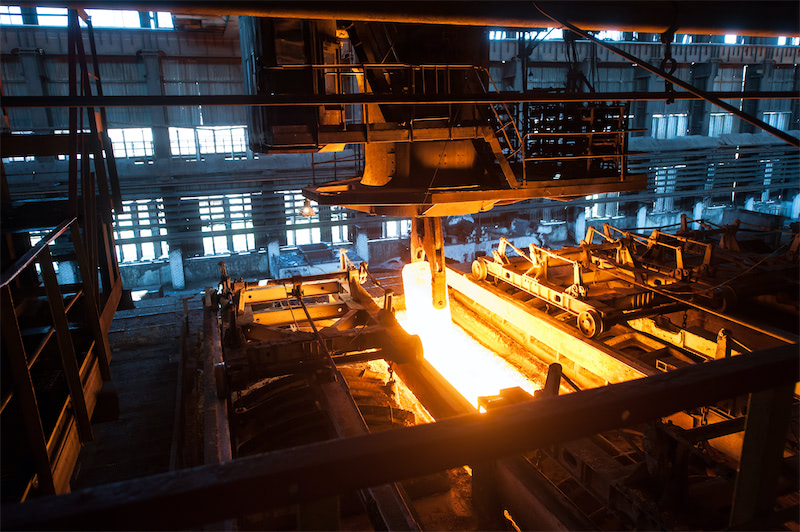
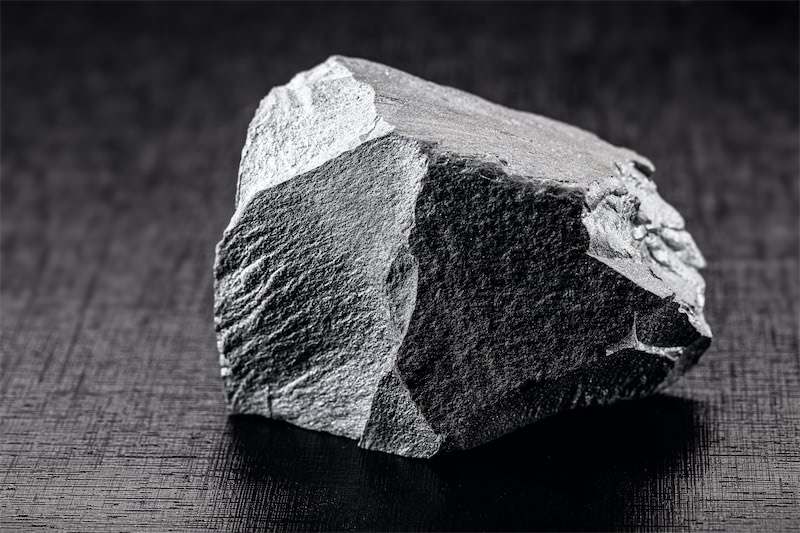
The application of silicone in the new energy sector is mainly concentrated in PV, NEVs, wind power, and nuclear power. By producing silicone monomers, silicone intermediates can be obtained, which can be transformed into silicone rubber, silicone oil, silicone resin, and silane coupling agents through polymerization reactions with the addition of fillers or additives. Silicone rubber is divided into 107 silicone rubber and raw rubber, with 107 silicone rubber serving as the base material for producing room-temperature vulcanized silicone rubber. Room-temperature vulcanized silicone rubber is primarily used in the construction sector, followed by the new energy and electronics sectors. In the new energy sector, its main applications include encapsulation and bonding. Additionally, a small amount of silicone oil is used for heat conduction and insulation.
In the new energy sector, silicone is widely used in the encapsulation of solar panels and the protective layers of cable harnesses due to its excellent transparency and outstanding weather resistance, making it an ideal material for the PV industry. In the automotive and transportation sector, particularly in NEVs, silicone is used in battery management systems, onboard charging systems, protection and assembly, as well as in the manufacturing of leather and other automotive components. These applications not only enhance vehicle performance and safety but also lay a solid foundation for the future development of the automotive industry.
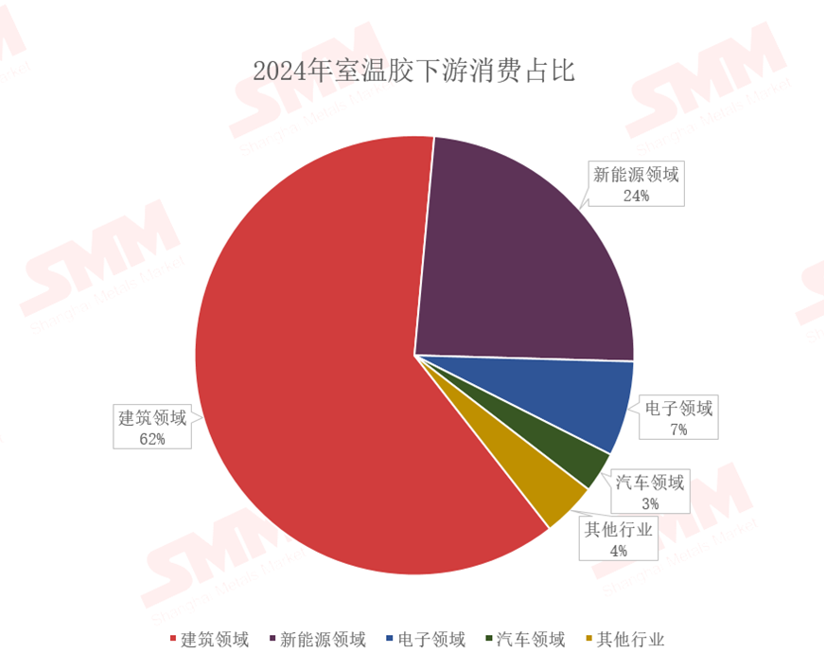
In the 2024 consumption structure of room-temperature adhesives, the construction sector remains the largest field, accounting for approximately 62% of the market share. However, with the slowdown in the growth of the construction sector, its share in the room-temperature adhesive market has declined to some extent. The new energy sector ranks second, accounting for about 24% of room-temperature adhesive consumption, mainly used for frame sealing and junction box encapsulation in solar modules. Driven by the "dual carbon" goals and cost advantages in electricity, the PV industry is growing rapidly, leading to a continuous increase in demand for room-temperature adhesives. Additionally, the electronics sector accounts for about 7% of the market share, the automotive sector 3%, and other industries approximately 4%.
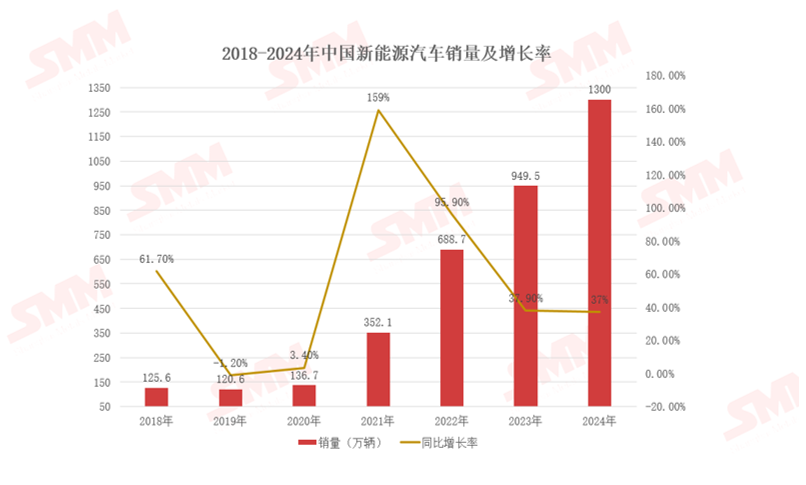
Given the rapid development of NEVs, product capabilities have already shown a trend of surpassing traditional fuel vehicles. In 2024, China's NEV market is expected to continue its high-speed growth, with annual production and sales exceeding 10 million units for the first time. Total national vehicle sales are projected to reach 31.5 million units, with NEV sales accounting for about 13 million units. From January to November 2024, NEV production and sales reached 11.345 million and 11.262 million units, respectively, up 34.6% and 35.6% YoY. NEV sales accounted for 41.3% of total vehicle sales, demonstrating strong market demand. Furthermore, the domestic sales proportion of NEVs has exceeded 50% for four consecutive months, reaching 50.6% in November. Among Chinese-brand passenger cars, NEVs achieved a market share of 49.9%, meaning that one out of every two Chinese-brand passenger cars sold was an NEV. This growth has led to a corresponding decline in the market share of traditional fuel vehicles. Since the release of the "New Energy Vehicle Industry Development Plan" on November 2, 2020, efforts to enhance industry concentration and market competitiveness have provided clear direction for the development of the NEV industry. With increasingly mature technological conditions and strong policy support, China's NEV sector is expected to continue its rapid growth in the future.
In 2024, China's PV manufacturing industry demonstrated strong and stable growth, achieving significant results in the international market. The production of polysilicon, silicon wafers, batteries, and modules all increased by more than 20% YoY, while solar cell exports surged by over 40%. According to statistics from the National Energy Administration, from January to November 2024, China's new PV installations reached 206.3 GW, nearly matching the total for 2023. The China Photovoltaic Industry Association predicts that new PV installations in 2024 are expected to reach 230 GW to 260 GW. With the global energy transition and rising environmental awareness, the PV industry is set to maintain rapid growth. Technological advancements and the expansion of application scenarios provide broader development opportunities for the PV sector. In 2024, the PV industry experienced a "self-discipline storm," with the "anti-cut-throat competition" meeting hosted by the China Photovoltaic Industry Association seen as a positive signal to help the industry move away from cut-throat competition, indicating a potential supply-side reform.
In the downstream consumption structure of silicone monomers in China in 2024, silicone rubber continued to dominate, accounting for approximately 56% of the market share. Room-temperature adhesives accounted for 41.7%, and high-temperature adhesives 30.4%. The growth in demand for room-temperature adhesives was mainly reflected in emerging fields such as PV adhesives, electronic adhesives, and specialized adhesives for new energy. This growth is driven by the rapid development of industries such as NEVs, power batteries, PV, LED power supplies, 5G communications, electronic appliances, and power equipment, which increasingly demand high-performance new materials. Meanwhile, China's commitment to achieving carbon neutrality by 2060 provides strong policy support for the new energy sector, further driving demand for room-temperature adhesives in emerging markets.
![[SMM 건축자재 주간 수급] 시장 거래 분위기 개선, 실수요 회복은 기대에 못 미쳐](https://imgqn.smm.cn/usercenter/JdqON20251217171718.png)
![[SMM 건자재 사회재고 대규모 샘플 조사] 가격 반등으로 재고 소진, 이번 주 건자재 사회재고 감소폭 소폭 확대](https://imgqn.smm.cn/usercenter/wSpkX20251217171718.png)