How Do Market Dynamics Affect Gear Steel Pricing?
Global Supply and Demand Trends
In the market scenes, dynamics play a role in setting the prices of gear steel materials used in various industries like the automotive manufacturing sector where an increase in demand triggers a surge in prices as manufacturers seek more gear steel components for vehicle production while oversupply causes by factors like excessive production or economic slumps can lead to price decreases; Additionally, geopolitical conflicts trade regulations and economic expansions within key markets contribute significantly to shaping these trends.
Raw Material Costs and Availability
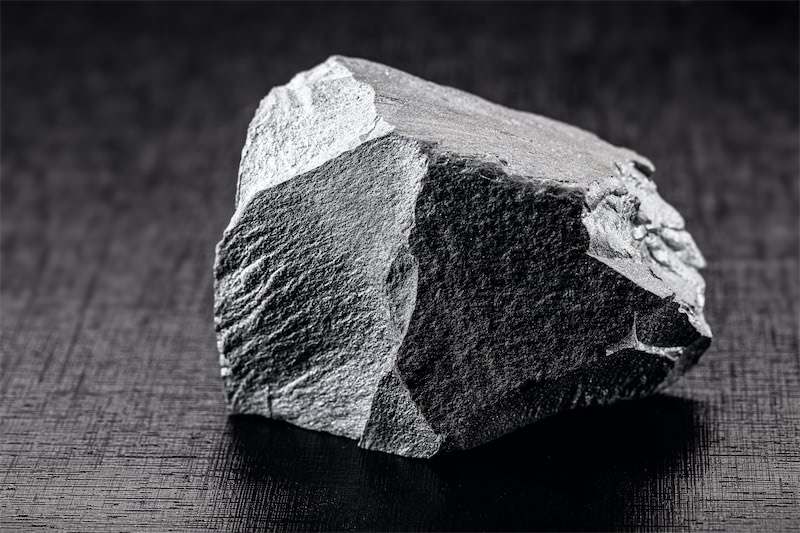
The price and accessibility of materials influence the pricing of gear steel products. Iron and coal serve as raw materials in the manufacture of steel. Changes in their prices impact the production expenses associated with gear steel. For example, disruptions in mining activities or transport operations can result in shortages and higher costs for these materials, ultimately causing an increase in gear steel prices.
Technological Advancements in Steel Production
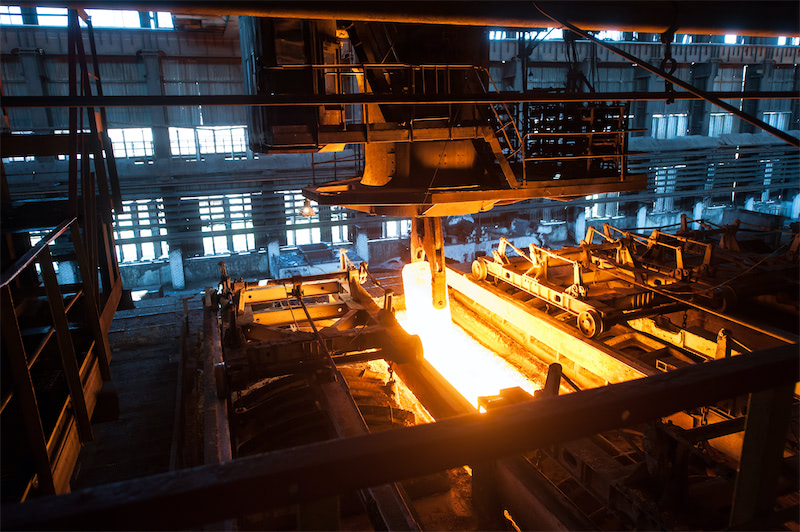
Advances in steel manufacturing technology can impact the pricing of gear steel by enhancing efficiency and cutting costs down the line. The introduction of automation and enhancements in processes and recycling methods play a role in making production more cost-effective. These improvements empower manufacturers to create top-notch gear steel at reduced expenses which could help stabilize or even bring down market prices.
What Is the Role of Shanghai Metals Market (SMM) in Gear Steel Pricing?
Overview of Shanghai Metals Market (SMM)
Shanghai Metals Market (SMM) is a reliable source of information and pricing data for the metal market. It offers in-depth insights into the industry, providing real-time updates on metal prices, market trends, and analysis. Industry experts depend on SMM's platform to guide their decision-making process.
To understand the latest trends in the metal market, visit the Shanghai Metals Market website for updates.
Influence of SMM Data on Industry Decisions
The data, from SMM is crucial in influencing the choices made by industries when it comes to setting prices for gear steel products. Timely and precise market insights provided by SMM allow manufacturers to predict price fluctuations and adapt their purchasing plans accordingly. This proactive approach assists businesses in controlling expenses. Ensuring competitive pricing for their goods.
Integration of SMM Insights into Business Strategies
Incorporating social media marketing (SMM) findings into strategies enables companies to enhance their efficiency through adapting to present market trends effectively. When utilizing the SMM approach, to data interpretation for decision-making purposes, firms can formulate plans that reduce the impact of price fluctuations on their operations. This merging of insights guarantees that organizations stay nimble and adaptable to shifts in the steel gear market landscape.
In summary, auto manufacturers must grasp the factors influencing the pricing of gear steel in order to effectively navigate the complexities of the metals market." To make decisions that improve their advantage and manage costs effectively, companies should take into account global supply-demand patterns," raw material expenses," and technological progress," and utilize resources such as the Shanghai Metals Market (SMM).
How Do Fluctuations in Gear Steel Pricing Impact Car Manufacturers?
Cost Management Strategies for Automotive Companies
Changes in the prices of steel used in automotive gear production car companies to implement cost control measures. To sustain profits and stay competitive in the market manufacturers need to keep an eye on industry trends and adapt their purchasing strategies accordingly. Strategic sourcing practices, buying in bulk, and establishing long-term agreements with suppliers are some of the approaches employed to manage costs effectively. By anticipating fluctuations in prices and negotiating terms businesses can minimize the repercussions of unpredictable steel prices.
Influence on Vehicle Production Costs and Pricing
The cost of gear steel has an impact, on the expenses of producing vehicles and consequently influences the pricing of the final products for consumers as well, as manufacturing companies alike.
Adaptation to Market Changes and Future Outlook
To succeed in the changing market environment of the sector and manage the ups and downs in gear steel prices effectively automotive companies must keep themselves updated on worldwide economic trends and happenings within the industry. By doing manufacturers can foresee changes in supply and demand patterns. This forward-thinking strategy allows them to adapt their tactics promptly and stay ahead of the competition. Moving forward focusing on advancements and friendly practices will play a critical role as the industry adapts to address environmental issues and evolving consumer preferences.
How Can Car Manufacturers Navigate the Challenges Posed by Gear Steel Pricing?
Collaborative Approaches with Suppliers
Working closely with suppliers is crucial for companies dealing with issues surrounding the pricing of gear steel material. Building partnerships with suppliers enables firms to have favorable negotiations and access important information regarding the availability of materials and fluctuations in pricing. Collaborative strategies in streamlining the supply chain can result in enhanced productivity and financial benefits. Moreover, established communication channels facilitate risk mitigation practices in response to fluctuations in prices.
Investment in Research and Development
Car manufacturers strategically opt to allocate resources towards research and development (R&D) to confront the challenges posed by high-gear steel prices effectively. By emphasizing the exploration of materials and manufacturing methods companies can lessen their reliance on gear steel suppliers. The focus on R&D may result in the identification of substitute materials or techniques that deliver performance levels at expenses. This initiative not only tackles pricing issues but also positions manufacturers well for upcoming advancements in automotive technology.
Strategic Planning for Long-Term Resilience
Strategic planning is critical for ensuring long-term resilience against fluctuations in gear steel pricing. Manufacturers must develop comprehensive plans that account for potential risks and opportunities within the metals market. This involves scenario analysis, diversification of material sources, and contingency planning to handle unexpected disruptions. By aligning business goals with market realities, companies can enhance their adaptability and sustain growth despite economic uncertainties.
To gain an understanding of how the metal industry impacts business choices on a scale you may want to explore the information available from Shanghai Metals Market which offers crucial data on metal pricing and market trends.
To sum it up concisely; effectively managing the intricacies of gear steel pricing entails an approach that includes cost control tactics and collaboration, with suppliers well as investments in research and development and strategic foresight on behalf of car manufacturers to tackle present obstacles while setting the stage for longevity, in a dynamic industry environment.