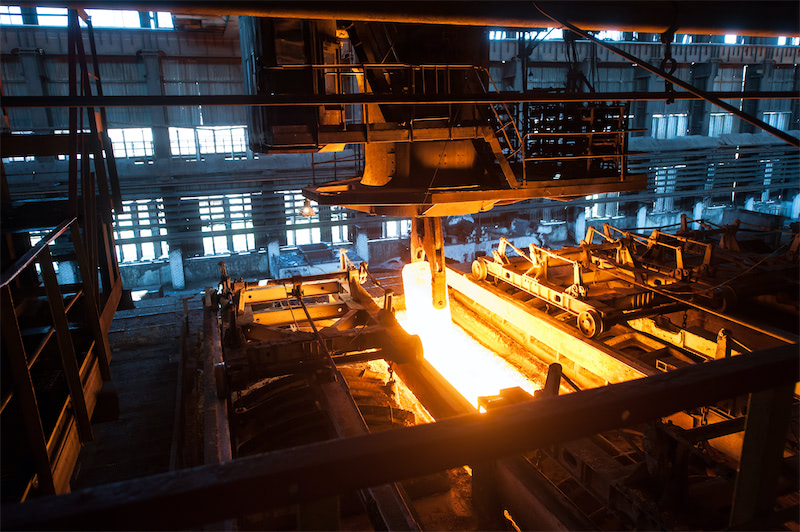
Understanding Coke and Its Role in Steel Production
Coke, a carbon-rich solid produced from coal, is an essential ingredient in the steel-making process. It is primarily used in blast furnaces, where it acts as a fuel and a reducing agent. The intense heat produced by burning coke ensures that iron ore can be converted into molten iron, setting the foundation for steel production. The efficiency and quality of steel manufacturing processes are significantly influenced by the properties and quality of the coke used.
Sourcing and Production Regions for Coke
The main source of coke is, from areas with coal resources like China and the United States among others which have an impact on the worldwide market for coke production processes including heating coal at high temperatures without air to create coke while also releasing volatile elements and the quality of coal, in different regions affects the properties and costs of coke significantly.
Factors Influencing Coke Pricing
Some elements influence the pricing of Coca Cola taking into account both local influences, which is crucial knowledge, for individuals involved in the steel sector.
Global Supply Chain Dynamics
The worldwide distribution network, for Coke is intricate. Includes producers and markets from countries like China and the United States that play a major role in shaping pricing patterns. Lapses in trade regulations and imposition of tariffs can cause disruptions in this network resulting in increased costs and uncertainties, for steel manufacturers who depend on imported coke.
Major Producers and Exporters of Coke
China stands as the producer and consumer of coke and holds significant influence, over market prices as a key player, in setting them. Australia and Russia are also exporters that impact coke prices through their export levels and pricing tactics.
Trade Policies and Tariffs
Government trade regulations such, as import duties on a coke can significantly impact pricing trends in the market scene. Nations might enforce tariffs to support businesses which could unintentionally sway market prices. Having a grasp of these regulations is pivotal, for businesses aiming to maneuver through the terrain of coke pricing.
Raw Material Costs
The prices of coke are greatly influenced by the costs of materials, like coal that tend to vary over time. The link between the costs of coal and the pricing of coke is clear-cut. When coal expenses rise it usually results in coke prices. Moreover, the energy expenses related to coke production also have an impact, on setting the prices.
Coal Prices and Their Fluctuations
Coal serves as the material, for producing coke and therefore greatly impacts the pricing of coke in the market sector latest years have seen fluctuations in coal prices due to geopolitical tensions and disturbances in supply chains which have a direct impact, on the economics of coke manufacturing.
Energy Costs and Environmental Regulations
The steel industry is, under scrutiny, for its impact nowadays and this has resulted in new regulations that add costs related to energy use. These rules are affecting the expenses of producing coke. It is impacting its pricing in the market well.
Market Demand Trends
The desire, for Coca in the market is shaped by factors such as changes and advancements in technology which play a role, in estimating future demand and setting prices effectively.
Seasonal Variability in Coke Demand
Demand, for Coca frequently changes with the seasons. Usually follows the ebbs and flows of steel production schedules closely. In times of increased construction activity or heightened industrial output levels. Like during peak seasons. The need for steel (and consequently coke) typically goes up leading to a rise, in prices.
Technological Advancements in Steel Production
Advancements, in technology within the steel manufacturing process could influence the demand for coke if alternative reduction agents are introduced on a scale, in the industry.
Historical Trends in Coke Pricing
Studying patterns, in the pricing of cola offers perspectives on how the market behaves and what to anticipate in the future.
Long-term Price Movements
Over time the price of coke is often influenced by the demand, for steel. When industries experience growth coke prices tend to rise while downturn periods may result in price drops. Understanding these patterns is valuable, for predicting trends and managing risks for those involved in the industry.
Recent Price Volatility
Lately, changes in the cost of coke have been swayed by happenings and financial instability. Unrest, in coal-producing areas might cause surges in coal prices and subsequently impact coke pricing. Numerous economic elements can bring about shifts in the balance, between supply and demand making it tricky to forecast Coke pricing accurately.
Comparative Analysis with Other Industrial Commodities
Comparing the pricing of Coca, with commodities like iron ore and scrap metal helps assess market performance effectively. Usually, the correlation among these commodities mirrors the steel industry's well-being. Offers valuable perspectives for predicting prices, in advance.
Impact of Coke Pricing on the Global Steel Industry
The pricing of Coca has an impact, on steel companies as it affects their costs and marketing plans.
Cost Implications for Steel Manufacturers
Coke plays a role, in the cost of producing steel; hence any changes in its price can have an impact on manufacturers financially. When coke prices rise it leads to an increase, in production costs which may prompt companies to adjust their pricing strategies or operational processes.
Short-term Cost Adjustments
In the future steel producers might react to the increase, in coke prices by modifying their pricing tactics or exploring supply options. This could involve renegotiating deals, with suppliers or emphasizing obtaining materials from areas less impacted by price changes.
Long-term Strategic Planning
To ensure the long-term viability of steel companies they need to explore strategic tech investments and alternative materials to manage the challenges linked to fluctuating coke prices. Diversifying their supply chains and innovating alternative production methods are tactics to address this issue successfully.
Competitive Positioning within the Steel Market
The pricing of Coca doesn't just affect companies; it also plays a role, in shaping the environment of the steel industry, which is crucial, for businesses looking to stay ahead in the market.
Regional Competitiveness
In parts of the world, the prices of coke can vary based on supply and demand factors giving manufacturers in regions, with ample coke resources a competitive advantage compared to those who depend on costly imports.
Impact on Small vs Large-Scale Producers
The impact of soda pricing, on scale versus large-scale producers showcases differences in their positions; Big corporations can manage costs more efficiently thanks to economies of scale; however, smaller producers could be at risk, from increasing input expenses.
Strategies for Managing Coke Price Volatility in Steel Production
Given the difficulties presented by fluctuating coke prices, manufacturers must devise methods to handle the instability.
Diversification of Sourcing Strategies
Expanding the range of where steel manufacturers source materials can help protect them from price hikes, such, as by diversifying their suppliers both globally to lessen the effects of price fluctuations, in different regions.
Domestic vs International Suppliers
Deciding between overseas suppliers could be influenced by pricing and logistical perks. Domestic sources may guarantee reliability but could be pricier; on the other hand, international sources might offer cost advantages. Involve potential risks, from geopolitical changes.
Long-term Contracts vs Spot Purchases
Engaging in extended agreements, with suppliers can help maintain prices over time; However, opting for purchases can provide flexibility at the cost of heightened vulnerability to price fluctuations. It is crucial to strike a balance, between these strategies for oversight.
Technological Innovations and Alternatives to Coke
Welcoming technologies help reduce reliance on coal consumption in steelmaking while emphasizing the importance of research and innovation in exploring alternative materials, for steel production.
Use of Alternative Reductants
Using substances of coke in the steel production process can decrease the dependence and improve environmental impact with advancements, like hydrogen-centric reduction methods gaining traction in the sector.
Energy Efficiency Measures
Introducing energy-saving practices can reduce costs. Ease the burden of increasing coke prices, for businesses. It can also give companies using energy technologies an edge and support sustainability objectives.
Case Examples from the Global Market
Studying real-life scenarios, in steel-producing countries offers perspectives on the matter at hand. According to Metal.com findings suggest that countries, with regulations and favorable policies could offer approaches to dealing with obstacles related to coke pricing.
Insights from Leading Steel Producing Nations
Countries, like China and India, showcase how important government incentives and technological investments are, in improving the use of coke and procurement strategies.
Influence of Policy Changes Noted by Metal.com
Policy adjustments can have an impact, on the prices and availability of Coca underscoring the importance for companies to adapt quickly and stay flexible in response, to changes that could impact their expenses.
Future Outlook for Coke Pricing and Its Impact on the Steel Industry
The pricing of Coca, in the future, will be influenced by a range of expected changes and advancements.
Expected Demand Shifts in Key Markets
As economies progress over time and change occurs in the demand, for steel and coke accordingly shifts are anticipated to happen. Emerging markets might bring forth consumption tendencies that could impact how prices fluctuate.
Potential Developments in Regulatory Environments
Long-term forecasting of coke pricing requires a nuanced understanding of both market forces and external influences. Stakeholders must continually assess economic indicators, supply chain stability, and technological advancements to devise insightful forecasts and strategies.
Forecasting Long-term Trends
Long-term forecasting of coke pricing requires a nuanced understanding of both market forces and external influences. Stakeholders must continually assess economic indicators, supply chain stability, and technological advancements to devise insightful forecasts and strategies.