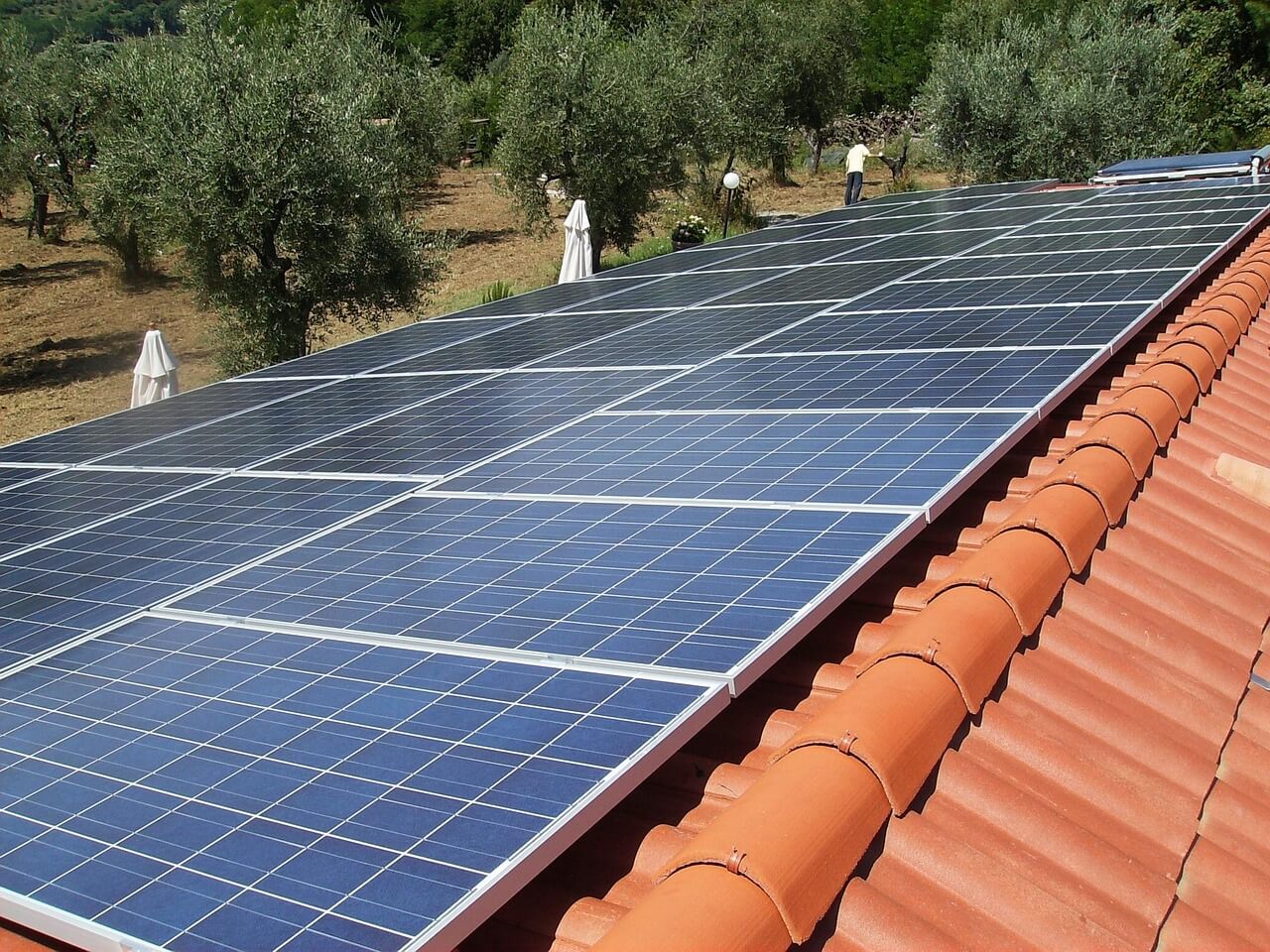
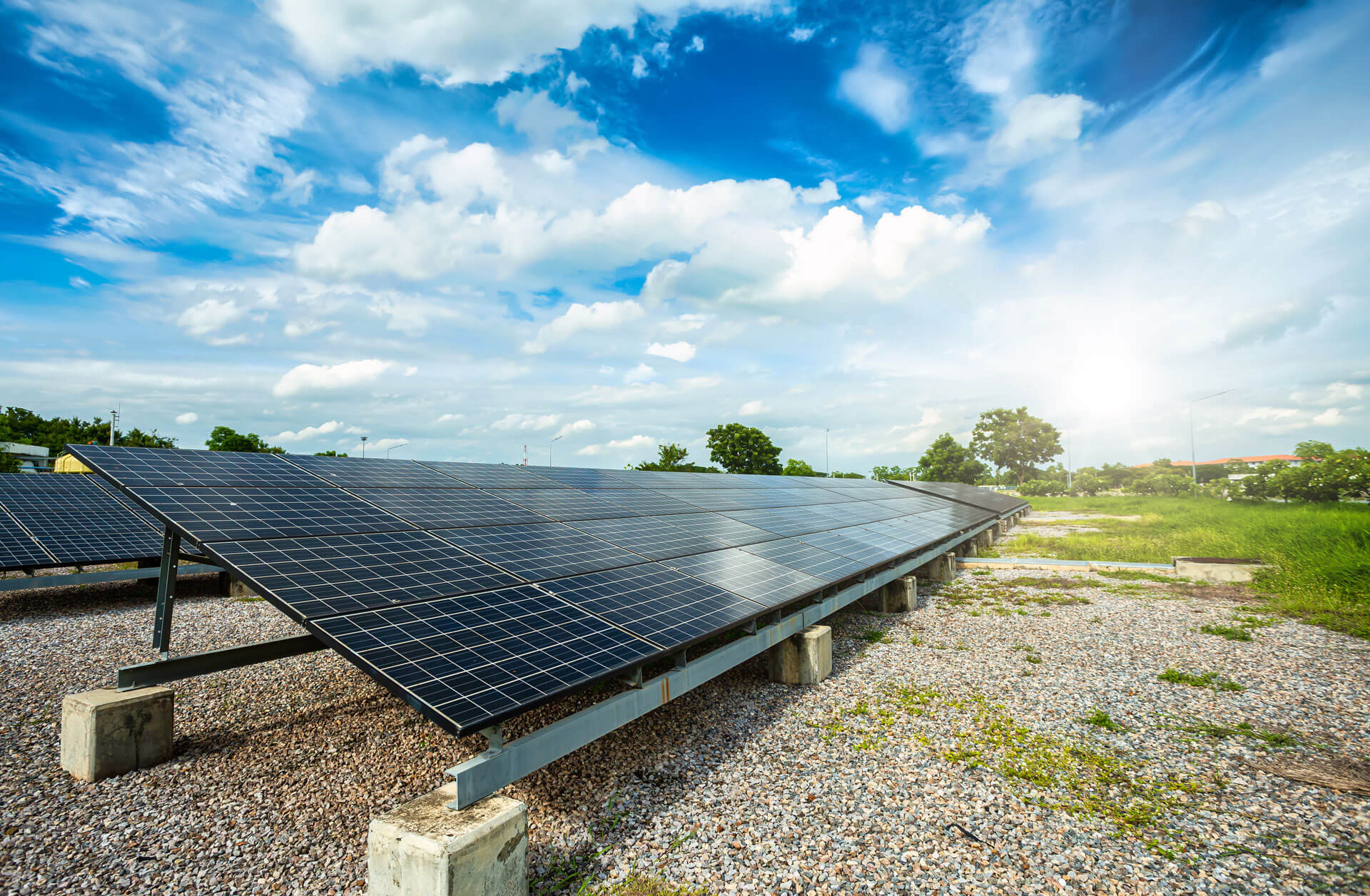
On January 20, the Australian government officially launched a three-year nationwide PV module recycling pilot program, with a total investment of 24.7 million Australian dollars. The program will establish up to 100 demonstration recycling sites across the country, initially focusing on rooftop PV modules and gradually expanding to household cells in the future. This initiative aims to increase the current PV module recycling rate of only 17%, reduce landfill waste, and promote the development of a circular economy system for the PV industry.
As one of the countries with the highest rooftop PV penetration rate globally, Australia is facing increasing pressure from PV retirement. By the end of 2025, the cumulative installed capacity of rooftop PV in the country reached 26.8 GW, covering approximately 4.2 million households and small enterprises. However, as early-installed PV modules gradually enter their retirement period, the annual volume of waste is expected to surge from 59,000 mt in 2025 to 91,000 mt by 2030. Currently, only a small number of retired modules are recycled, with the majority being stockpiled, landfilled, or exported, resulting in a low level of resource utilization.
Australia's pilot program is forward-looking and exemplary. On one hand, the country's PV module waste volume is growing rapidly, with the residential sector set to become the primary source of retirement. Without establishing large-scale recycling channels, a significant number of modules will end up in landfills, causing resource waste and environmental risks. On the other hand, retired modules still contain considerable economic value: approximately one-third of the modules have the potential for direct reuse, contributing about 24 GW of energy capacity; efficient recycling of the critical minerals they contain, such as copper, silver, and aluminum, could release economic value of up to 7.3 billion Australian dollars and achieve a carbon emission reduction of 1.2 mt per mt of modules recycled.
The pilot program is expected to provide crucial momentum for the industry. Previously, Australia's PV recycling sector faced challenges such as a small number of enterprises, limited scale, and operational difficulties. Major e-waste recycler Sir Cel and well-known PV recycling company Reclaim PV went bankrupt successively, leaving only seven specialized recycling enterprises nationwide. Through the pilot, the government will assist enterprises in testing transportation solutions, calculating regional costs, and optimizing recycling models, thereby accumulating data and experience for establishing a permanent national recycling system.
From a policy coordination perspective, the pilot closely aligns with the Productivity Commission's recommendations on improving the product stewardship system for PV modules, reflecting an approach of "national coordination, local collaboration, and technological advancement." Environment Minister Watt Murray emphasized that module materials "should not be treated as waste," Energy Minister Bowen Chris highlighted that modules will achieve "self-renewability," and Finance Minister Chalmers Jim focused on the cost reduction and resource security benefits brought by recycling, demonstrating the government's multi-departmental commitment to promoting a circular economy.
Looking ahead, the appointment of administrators and the launch of services for the pilot program have been scheduled. If implemented smoothly, this system is expected to not only alleviate the pressure of end-of-life modules in Australia but also provide a "Australian model" for global PV recycling, particularly serving as a reference in scenarios with dense rooftop PV installations and decentralized recycling networks. However, ensuring controllable recycling costs, sustainable operation of enterprises, and increased public participation remain key issues that require continuous observation during the pilot phase.
![[SMM Analysis] U.S.-India Tariff Agreement Finalized: The Latest Outlook for India's PV Market Trends in 2026](https://imgqn.smm.cn/usercenter/FmBvY20251217171737.jpg)