【SMM Analysis:Types of Manganese Ores.】

Published: Nov 2, 2024 15:27
Source: SMM
【SMM Analysis:Types of Manganese Ores.】Types of Manganese Ores There are over 150 known manganese minerals in nature, classified into oxides, carbonates, silicates, sulphides, borates, tungstates, phosphates, etc. However, minerals with high manganese content are few. Here are descriptions of several common manganese minerals. (1) Pyrolusite: Tetragonal system, crystals are fine columnar or needle-like, usually in lump or powdery aggregates. Both color and streak are black. Luster and hardness vary with the coarseness and form of the crystals; well-crystallized ones have a submetallic luster and higher hardness, while cryptocrystalline lumps and powdery forms have a dull luster and low hardness, easily soiling hands. Specific gravity is around 5. Pyrolusite is mainly formed by sedimentation and is one of the main components of sedimentary manganese ore. In the oxidation zone of manganese deposits, all primary low-valence manganese minerals can also oxidize into pyrolusite. Pyrolusite is a very common mineral in manganese ore and an important raw material for manganese smelting. (2) Manganite: Monoclinic system, crystals are rare, usually in botryoidal, reniform, and grape-like aggregates, also in dense lumps and dendritic forms. Both color and streak are black. Submetallic luster. Hardness 4-6, specific gravity 4.4-4.7. Manganite is mainly of exogenous origin, found in the oxidation zone of manganese deposits and sedimentary manganese deposits, and is also a very common manganese mineral in manganese ore, an important raw material for manganese smelting. (3) Manganese Wad: Monoclinic system, crystals are columnar with longitudinal striations. Often found in crystal clusters in the druses of some manganese-bearing hydrothermal veins, in sedimentary manganese deposits mostly as cryptocrystalline lumps, or in oolitic, botryoidal aggregates, etc. Mineral color is black, streak is brown. Submetallic luster. Hardness 3-4, specific gravity 4.2-4.3. Manganese Wad is found in both endogenetic hydrothermal deposits and exogenetic sedimentary manganese deposits, an important raw material for manganese smelting. (4) Hausmannite: Tetragonal system, crystals are tetragonal bipyramids, usually in granular aggregates. Color is black, streak is brown-orange or reddish-brown. Submetallic luster. Hardness 5.5, specific gravity 4.84. Hausmannite is formed by endogenetic or metamorphic processes, found in some contact metasomatic deposits, hydrothermal deposits, and sedimentary metamorphic manganese deposits, coexisting with braunite, and is also an important raw material for manganese smelting. (5) Braunite: Tetragonal system, crystals are bipyramidal, also found in granular and lump aggregates. Mineral is black, streak is brown-black. Submetallic luster. Hardness 6, specific gravity 4.7-5. Other characteristics are the same as Hausmannite. (6) Rhodochrosite: Trigonal system, crystals are rhombohedral, usually in granular, lump, or nodule forms. Mineral is rose-colored, easily oxidized to brown-black. Vitreous luster. Hardness 3.5-4.5, specific gravity 3.6-3.7. Rhodochrosite formed by endogenetic processes is common in some hydrothermal deposits and contact metasomatic deposits; exogenetic rhodochrosite is widely distributed in sedimentary manganese deposits. Rhodochrosite is an important raw material for manganese smelting. (7) Alabandite: Isometric system, common forms include cubes, octahedrons, and rhombic dodecahedrons, aggregates are granular or lump. Color is steel-gray to iron-black, turning brown upon weathering, streak is dark green. Submetallic luster. Hardness 3.5-4, specific gravity 3.9-4.1. Alabandite is abundant in sedimentary metamorphic manganese deposits, an important raw material for manganese smelting.
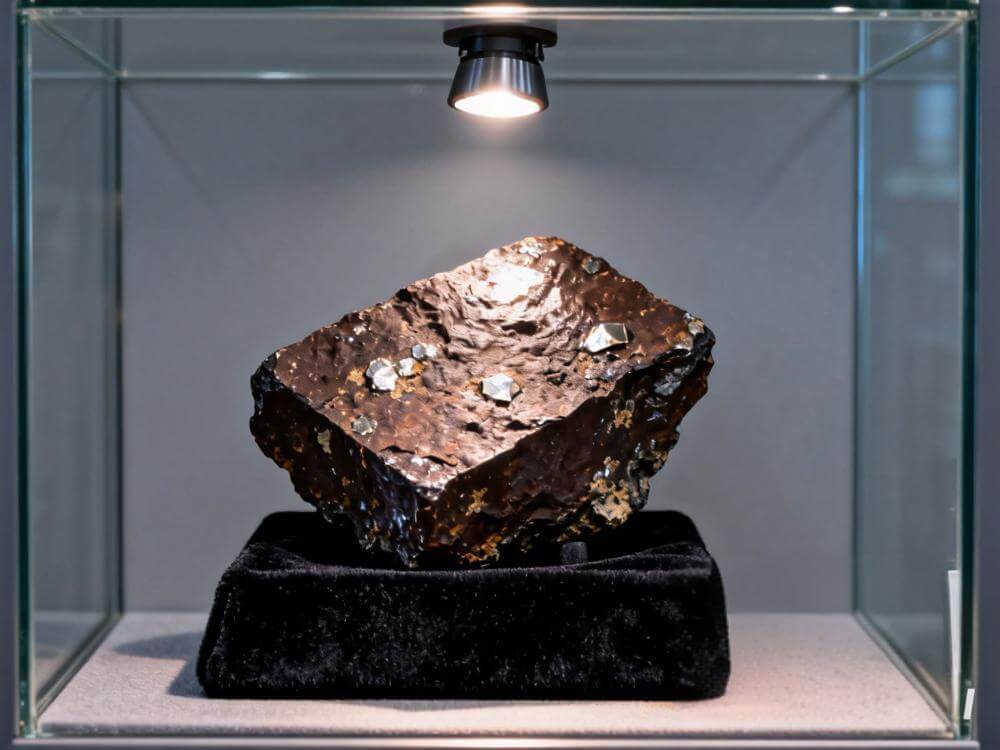
There are over 150 known manganese minerals in nature, classified into oxides, carbonates, silicates, sulphides, borates, tungstates, phosphates, etc. However, minerals with high manganese content are few. Here are descriptions of several common manganese minerals.


(1) Pyrolusite: Tetragonal system, crystals are fine columnar or needle-like, usually in lump or powdery aggregates. Both color and streak are black. Luster and hardness vary with the coarseness and form of the crystals; well-crystallized ones have a submetallic luster and higher hardness, while cryptocrystalline lumps and powdery forms have a dull luster and low hardness, easily soiling hands. Specific gravity is around 5. Pyrolusite is mainly formed by sedimentation and is one of the main components of sedimentary manganese ore. In the oxidation zone of manganese deposits, all primary low-valence manganese minerals can also oxidize into pyrolusite. Pyrolusite is a very common mineral in manganese ore and an important raw material for manganese smelting.


(2) Manganite: Monoclinic system, crystals are rare, usually in botryoidal, reniform, and grape-like aggregates, also in dense lumps and dendritic forms. Both color and streak are black. Submetallic luster. Hardness 4-6, specific gravity 4.4-4.7. Manganite is mainly of exogenous origin, found in the oxidation zone of manganese deposits and sedimentary manganese deposits, and is also a very common manganese mineral in manganese ore, an important raw material for manganese smelting.


(3) Manganese Wad: Monoclinic system, crystals are columnar with longitudinal striations. Often found in crystal clusters in the druses of some manganese-bearing hydrothermal veins, in sedimentary manganese deposits mostly as cryptocrystalline lumps, or in oolitic, botryoidal aggregates, etc. Mineral color is black, streak is brown. Submetallic luster. Hardness 3-4, specific gravity 4.2-4.3. Manganese Wad is found in both endogenetic hydrothermal deposits and exogenetic sedimentary manganese deposits, an important raw material for manganese smelting.


(4) Hausmannite: Tetragonal system, crystals are tetragonal bipyramids, usually in granular aggregates. Color is black, streak is brown-orange or reddish-brown. Submetallic luster. Hardness 5.5, specific gravity 4.84. Hausmannite is formed by endogenetic or metamorphic processes, found in some contact metasomatic deposits, hydrothermal deposits, and sedimentary metamorphic manganese deposits, coexisting with braunite, and is also an important raw material for manganese smelting.


(5) Braunite: Tetragonal system, crystals are bipyramidal, also found in granular and lump aggregates. Mineral is black, streak is brown-black. Submetallic luster. Hardness 6, specific gravity 4.7-5. Other characteristics are the same as Hausmannite.


(6) Rhodochrosite: Trigonal system, crystals are rhombohedral, usually in granular, lump, or nodule forms. Mineral is rose-colored, easily oxidized to brown-black. Vitreous luster. Hardness 3.5-4.5, specific gravity 3.6-3.7. Rhodochrosite formed by endogenetic processes is common in some hydrothermal deposits and contact metasomatic deposits; exogenetic rhodochrosite is widely distributed in sedimentary manganese deposits. Rhodochrosite is an important raw material for manganese smelting.


(7) Alabandite: Isometric system, common forms include cubes, octahedrons, and rhombic dodecahedrons, aggregates are granular or lump. Color is steel-gray to iron-black, turning brown upon weathering, streak is dark green. Submetallic luster. Hardness 3.5-4, specific gravity 3.9-4.1. Alabandite is abundant in sedimentary metamorphic manganese deposits, an important raw material for manganese smelting.

Data Source Statement: Except for publicly available information, all other data are processed by SMM based on publicly available information, market communication, and relying on SMM‘s internal database model. They are for reference only and do not constitute decision-making recommendations.

For any inquiries or to learn more information, please contact: lemonzhao@smm.cn
For more information on how to access our research reports, please contact:service.en@smm.cn
Related News
Jiaozuo Scandium-Vanadium Park Launches, Boosting High-Purity Vanadium and Energy Storage Chain
Apr 30, 2026 18:41
Jiaozuo Scandium-Vanadium Park Launches, Boosting High-Purity Vanadium and Energy Storage Chain
Read More
Jiaozuo Scandium-Vanadium Park Launches, Boosting High-Purity Vanadium and Energy Storage Chain
[SMM Vanadium Flash News] In April, Phase I of Jiaozuo Scandium-Vanadium New Materials Industrial Park was officially put into operation, with a total investment of 1.08 billion yuan. Relying on the by-product resources of titanium dioxide, the project has an annual production capacity of 2,500 tons of high-purity vanadium pentoxide + 20,000 cubic meters of vanadium electrolyte, directly supporting long-term energy storage orders. High-purity vanadium is entering the high-end alloy and vanadium battery markets, while the electrolyte has established the industrial chain of "titanium dioxide - vanadium electrolyte - energy storage", significantly increasing the added value of by-products..
Apr 30, 2026 18:41
【SMM Analysis】Chrome Ferroalloy Output Edges Down in April
Apr 30, 2026 17:47
【SMM Analysis】Chrome Ferroalloy Output Edges Down in April
Read More
【SMM Analysis】Chrome Ferroalloy Output Edges Down in April
News Release: April 30, 2026 According to SMM statistics, China’s high-carbon ferrochrome output in April 2026 fell by 1.28% month-on-month but rose by 24.63% year-on-year, with notable regional divergence. The majority of the monthly output reduction came from Inner Mongolia in northern China. Affected by substation maintenance, ferrochrome producers in Fengzhen faced production restrictions, with output dipping slightly by 1.82%.
Apr 30, 2026 17:47
China's Silicon Metal Production in April
Apr 30, 2026 17:02
China's Silicon Metal Production in April
Read More
China's Silicon Metal Production in April
According to SMM data, silicon metal production in April was 320,000 mt, down 3% MoM and up 6% YoY. Production in May is expected to increase to around 340,000 mt MoM, but uncertainty remains regarding future operating rates, and attention should still be paid to changes in operating rates of top-tier enterprises and the Sichuan region.
Apr 30, 2026 17:02
【SMM Analysis:Types of Manganese Ores.】 - Shanghai Metals Market (SMM)