Explore the New Energy Price Pattern

Telah Terbit: Feb 20, 2024 11:38
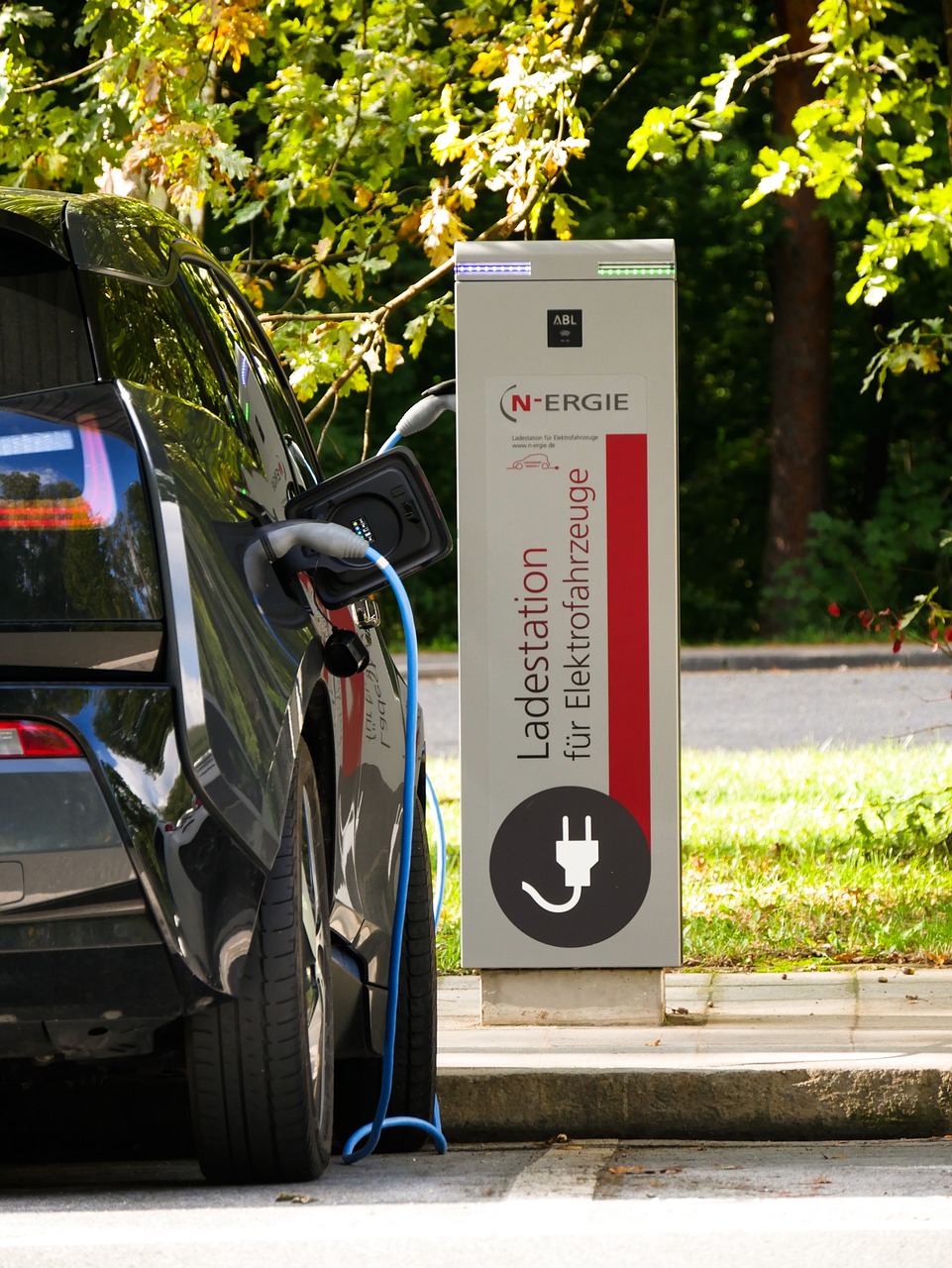
As the world shifts to sustainable and renewable energy sources, the pricing of such energy is a key factor in shaping the global economy. Government policies, technological advancements, and global market fluctuations all impact the pricing of renewable energy. While technological advancements continually drive down production costs, government policies and incentives play a significant role in determining the economic viability of renewable energy projects. The escalating global demand for clean energy has a direct impact on new energy prices, and nations endowed with ample reserves of critical metals for renewable energy may face economic instability due to shifting global demand and prices for these resources. Comprehending the intricacies of new energy pricing is paramount in crafting a more sustainable and resilient energy future globally.

The world is undergoing a transition to sustainable and renewable energy, creating a dynamic landscape for new energy prices. As countries strive to meet ambitious climate goals and reduce their reliance on traditional fossil fuels, the pricing of renewable energy is a key factor affecting the global economy.

We all know that renewable energy includes various sources such as solar energy, wind energy, hydro energy, geothermal energy and biomass energy. The prices of these energy sources are affected by factors such as technological progress, government policies and market competition. In this article, we will explore the factors that affect the price of new energy and the series of impacts brought about by changes in the price of new energy.

Government policies and incentives play an important role in pricing. Subsidies, tax incentives and regulatory frameworks can significantly influence the economic viability of renewable energy projects, thereby affecting production and consumption costs. Technological advances continue to lower the cost of renewable energy. Breakthroughs in energy storage, grid management, and the development of more efficient equipment help lower production costs and make new energy sources more economically attractive. The last important factor is the global market. The growing demand for clean energy in various countries around the world has a direct impact on the price of new energy. Countries commit to reducing carbon emissions and demand for renewable energy increases. What they do are affecting supply and pricing dynamics.

Countries with large reserves of new energy metals may experience economic shifts based on changes in global demand and prices for these resources. Moreover, trade relations between new energy metal producing and consuming countries may be affected by price fluctuations. A second impact of changes in new energy prices is that changes in metal prices may affect the economic viability of mining operations.

As the world embarks on a transformative journey towards sustainable and renewable energy, the dynamics of new energy prices are at the heart of the global landscape. The continued evolution of the prices of metals is critical to these technologies. And it not only shapes the industry but has far-reaching consequences for the economy, the environment and technological innovation.

In summary, the future of new energy prices is dynamic and interconnected with broader global trends. Embracing this evolution will require a collective effort from industry leaders, policymakers and the public. By understanding and addressing the complexities of new energy prices, we can work together to achieve a more sustainable and resilient energy future, ensuring that the benefits of clean energy are realized globally.

Pernyataan Sumber Data: Kecuali informasi yang tersedia untuk publik, semua data lainnya diproses oleh SMM berdasarkan informasi publik, komunikasi pasar, dan mengandalkan model database internal SMM. Hanya untuk referensi dan tidak menjadi rekomendasi pengambilan keputusan.

Untuk pertanyaan atau informasi lebih lanjut, silakan hubungi: lemonzhao@smm.cn
Untuk informasi lebih lanjut tentang cara mengakses laporan penelitian kami, hubungi:service.en@smm.cn
Berita Terkait
Harga Magnesium Naik Tiga Sesi Berturut-turut! Sisi Biaya Tetap "Membara" Sementara Sisi Permintaan Kesulitan Mengambil Alih [Komentar SMM]
8 jam yang lalu
Harga Magnesium Naik Tiga Sesi Berturut-turut! Sisi Biaya Tetap "Membara" Sementara Sisi Permintaan Kesulitan Mengambil Alih [Komentar SMM]
Baca Selengkapnya
Harga Magnesium Naik Tiga Sesi Berturut-turut! Sisi Biaya Tetap "Membara" Sementara Sisi Permintaan Kesulitan Mengambil Alih [Komentar SMM]
8 jam yang lalu
Tinjauan Harian SMM: Harga Spot Litium Karbonat Melemah pada 2 September
10 jam yang lalu
Tinjauan Harian SMM: Harga Spot Litium Karbonat Melemah pada 2 September
Baca Selengkapnya
Tinjauan Harian SMM: Harga Spot Litium Karbonat Melemah pada 2 September
Hari ini, harga spot baterai lithium karbonat SMM bergerak lebih rendah dibandingkan hari perdagangan sebelumnya. Kontrak lithium karbonat 2701 dibuka lebih rendah di 157.000 yuan/mt hari ini, kemudian berfluktuasi melemah setelah pembukaan. Pada sesi pagi, diperdagangkan lemah di kisaran 156.000-157.000 yuan, dengan tertinggi intraday 157.800 yuan/mt. Menjelang tengah hari, harga turun cepat ke 153.200 yuan/mt, mencapai titik terendah intraday baru. Sekitar tengah hari, harga bergerak naik turun berulang kali di kisaran 154.000-156.000 yuan. Pada sesi sore, pembeli sempat mendorong harga naik tetapi gagal menembus garis harga rata-rata. Harga melemah lagi di akhir perdagangan, akhirnya ditutup turun 3,2% di 154.800 yuan/mt, dengan open interest turun 9.123 lot. Di pasar spot, pembeli hilir melakukan pembelian saat harga turun sesuai kebutuhan. Pada level 155.000 yuan/mt ke bawah, minat beli pesanan spot dari hilir terus pulih. Di sisi pasokan, seiring harga yang bergerak lebih rendah, minat menjual pesanan spot tetap lemah, dengan beberapa pabrik kimia lithium menahan harga dan menahan penjualan. Secara keseluruhan, permintaan pasar dan transaksi aktual relatif aktif.
10 jam yang lalu
Litium Sulfida Kelas Baterai: Akankah Kuartal IV Melonjak?
11 jam yang lalu
Litium Sulfida Kelas Baterai: Akankah Kuartal IV Melonjak?
Baca Selengkapnya
Litium Sulfida Kelas Baterai: Akankah Kuartal IV Melonjak?
Poin utama di awal: Lonjakan pada kuartal keempat tidak mungkin terjadi, tetapi kami memperkirakan pertumbuhan moderat akan berlanjut. Output bulanan kemungkinan akan berada di kisaran 9–10 ton – sedikit meningkat dari kuartal ketiga, bukan lompatan yang eksplosif.
11 jam yang lalu