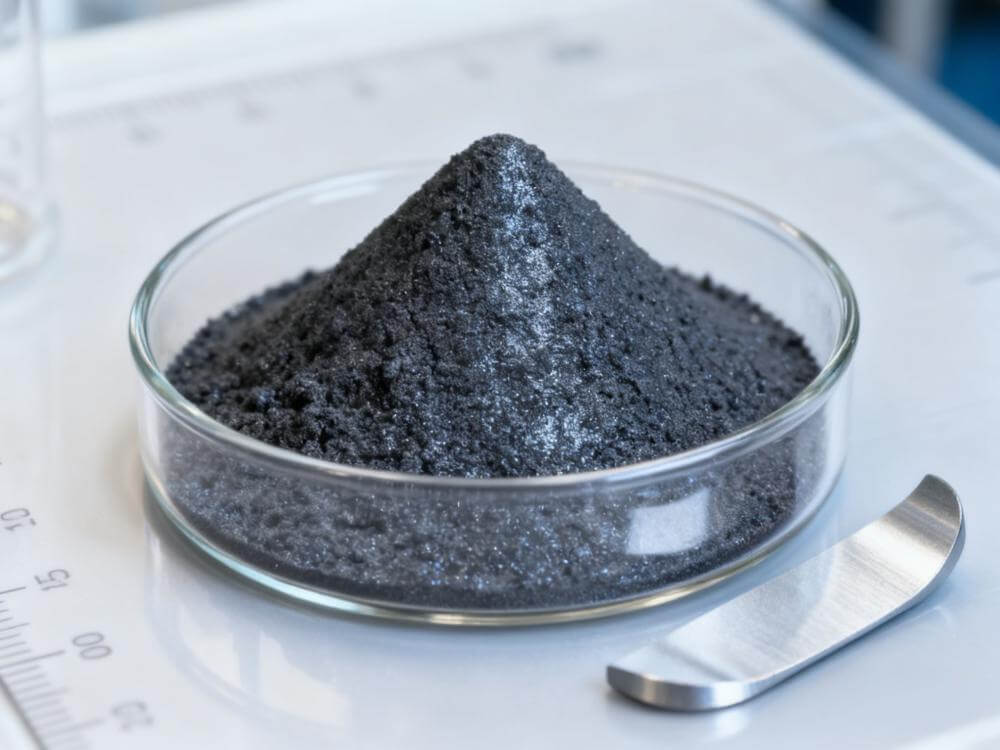
The price of silicon continued to rise this week, but the increase in transaction price narrowed. Due to the continuous wait-and-see of the early terminal project business and the influence of the declaration that Xiexin, a big silicon material manufacturer, will not increase the price, most of the material companies have signed long orders for April this week. According to the transaction price, the increase of the mainstream price in the market slows down, and the transaction price is slightly higher than that of last week. The average price of single crystal materials reaches 125 yuan / kg,. The price of single crystal materials in front-line enterprises can be sold at 125-128 yuan / kg,. The price of single crystal materials is close to 135yuan / kg;. Polycrystalline materials, driven by downstream demand, the quotation is strong, the average price has reached 74 yuan / kg, the transaction price of some bulk orders is close to 78 yuan / kg.
To observe the production, operation and shipment of silicon material, among the 10 domestic silicon production enterprises, some enterprises in Xinjiang and Inner Mongolia are overhauled, while Xiexin's new production capacity, Inner Mongolia Dongli and other projects continue to climb the slope. it is expected that due to the influence of factors such as enterprise overhaul and production capacity in April, the supply of silicon in some parts of the country is higher than expected, but the overall market is still not up to the level of supply in March. As of early April, the impact of manufacturing problems in Xinjiang on the silicon side has not yet been fermented, the pressure transmission of the terminal wait-and-see has reached the middle reaches of the silicon wafer link, and most of the silicon material supply contracts have been signed, and the increase of silicon material prices in mainstream enterprises has slowed down; compared with the silicon wafer production capacity, the silicon material supply continues to be tight at present, and it is expected that the silicon material price will be significantly affected by the urgent and short orders purchased downstream in the short term.
Silicon wafer
This week, the price of single crystal silicon wafer is weak to maintain stability, and the price of polysilicon wafer continues to rise. Following the loosening of quotations in the battery link last week, the silicon wafer link is also facing greater price reduction pressure this week, downstream manufacturers in the purchase price is obvious, the purchase willingness to weaken. Some first-line single crystal wafer enterprises maintain stable quotations, and orders are concentrated, and transactions have been completed one after another. On the other hand, orders from second-and third-tier enterprises are relatively rare, and quotations have been slightly loosened. At present, the price of single crystal silicon wafer is stable as a whole, the average price of G1 and M6 single crystal silicon wafer is 3.69 yuan and 3.78 yuan / wafer, and the average price of M10 and G12 large size silicon wafer is 4.54 yuan / wafer and 6.16 yuan / wafer. As for polysilicon wafers, due to the influence of terminal demand preference, polycrystalline demand has picked up recently, and the price has rebounded slightly, and there is no pressure on the transaction. This week, the average price at home and abroad has been raised to 1.69 yuan and 0.229 US dollars per chip.
On the whole, the technological transformation of silicon wafers and new production capacity began to expand continuously at the beginning of the year. After the Spring Festival, the silicon wafer market, affected by the shortage of silicon materials and the price game downstream, some enterprises have reduced the growth rate. However, the rigid demand for silicon wafers in the battery market makes the wafer products relatively scarce, promoting the overall high price stabilization of single crystal silicon wafers; the polycrystalline price ratio is gradually prominent, and the price is also a slow rising pattern.
Battery sheet
This week, the single crystal battery link is weak and stable, and the polycrystal link is relatively prosperous. As the first-line battery companies lowered the battery quotation, after the single-crystal battery quotation was loosened last week, there was no obvious adjustment in the single-crystal battery quotation this week, but small and medium-sized enterprises were under inventory pressure, slightly panicked and eager to ship. Some of the low prices still have a downward trend. At present, among the single crystal battery chips, the overall production capacity of G1 is relatively low, and the demand is still dominated by overseas orders. the average prices of G1 and M6 single crystal batteries are 0.89 yuan and 0.85 yuan per chip, and the average prices of M10 and G12 large-size battery chips are 0.9 yuan and 0.91 yuan per chip.
In terms of polycrystalline battery chips, with the pick-up in demand, the supply of polycrystalline resources is gradually tight. At present, the supply of polysilicon wafers produced in the upper reaches is basically digested by the demand of battery wafers, and some front-line enterprises have made small adjustments to the quotations for new orders in April. Some old orders are still quoted to maintain stability, so this week the average price of polycrystalline battery at home and abroad has been raised to 0.63 yuan / W and 0.085 US dollars / W respectively.
After the shipping downturn in the first quarter, the market growth rate of battery chips declined in April, and some enterprises may slow down the process of production expansion. And affected by the high price of silicon wafer, it is difficult for the battery chip to continue to reduce the price significantly, but after the sharp price reduction in the glass market, the pulling strength of the battery at the end of the module is expected to pick up.
module
This week, the component link is slightly loose, and the price of polycrystalline components is relatively stable. Following the price reduction of upstream battery chips and auxiliary materials, the operating pressure of component enterprises has been alleviated to a certain extent, and there is also some room for price reduction in the component link. Although the mainstream enterprises maintain stable quotations this week, when negotiating orders, the price is highly operational and there is some room for profit. Some second-and third-tier enterprises have obviously loosened their quotations this week, but the trading volume is still small, and the terminal maintains a wait-and-see mentality and is unwilling to sign a long order. Promote the current average price of 325-335W/395-405W single crystal module to 1.59 yuan / W, and the average price of 425-435W single crystal module is 1.65 yuan / W. Observing the overall situation of the domestic component market, after reducing the operating rate with terminal component enterprises in the first quarter, coupled with the continuous demand for large-size components of more than 500W, after the price reduction of batteries and glass in early April, the component link has a certain space for cost reduction. however, at present, the demand for components has not been released on a large scale, and the domestic market still needs to deliver low-price component orders signed in 2020. In the short term, the pick-up rate of component enterprises is still unclear, and it may still take 1-2 weeks for terminal demand to start further, and the component market is expected to continue to pick up.
Glass quotation dropped significantly this week, the glass price of 3.2mm thickness is 27-30 yuan per square meter, and the glass price of 2.0mm thickness is about 20-22 yuan per square meter. As some component enterprises plan to continue to reduce the operating rate, glass demand is correspondingly weaker, it is expected that this round of glass quotation decline, mainly for the glass market to maintain the balance between supply and demand of existing capacity, after the policy relaxation of photovoltaic glass construction, curb the further influx of new capacity; at the same time, to provide some price reduction space for components, but also to enable smooth glass shipments, to prevent the continuous backlog of inventory.
![[Kilas | Indeks Produksi Pertambangan Chili Turun 7,2% YoY pada Juli; Pertambangan Logam Turun 10,7%]](https://imgqn.smm.cn/usercenter/bFzkj20251217171724.jpg)
![[SMM Kilat Kromium] Zimbabwe Menyita 1.500 ton Stok Konsentrat Krom dalam Penindakan Penyelundupan Mineral](https://imgqn.smm.cn/usercenter/pAOxy20251217171725.jpg)
![[SMM Kilasan Kromium] Tarif Kerja Paksa AS Menghantam Ferrokrom Afrika Selatan Tanpa Pengecualian Pasal 232](https://imgqn.smm.cn/usercenter/cgspx20251217171725.jpg)