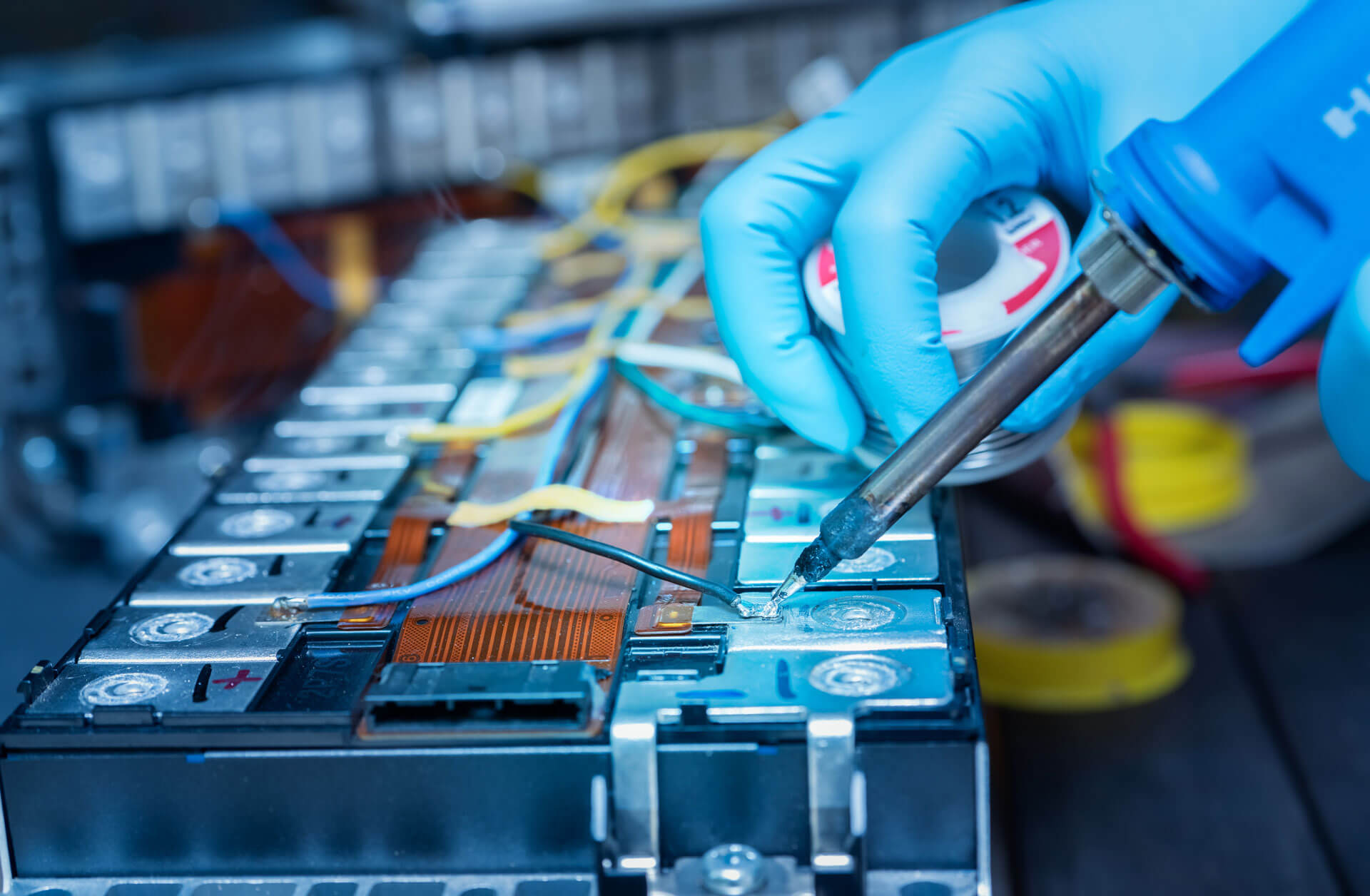
Efficient e-waste recycling could boost Europe revenues substantially

Telah Terbit: Aug 25, 2015 17:33
Recent study paper published by the UK’s University of Sheffield concludes that more efficient recycling of disposed electronics could give significant boost to annual revenues by European countries.

By  Paul Ploumis 25 Aug 2015  Last updated at  06:14:06 GMT

BRUSSELS (Scrap Monster): The recent study conducted by the UK’s University of Sheffield indicates that more effective recycling of used electronics could significantly boost revenues of European nations. The paper titled “Recycling of WEEEs: An economic assessment of present and future e-waste streams”predicts that the region’s revenues could rise up to Euro 3.7 billion per annum.

The paper states that nearly 30 to 50 million tonnes of e-scrap are disposed worldwide every year. It highlights the prime importance of e-waste recycling opportunities. Electronic scrap worth Euro 2.15 billion in potential revenues was available in the region during 2014. This could increase substantially by over 70% to Euro 3.67 billion by 2020. The study emphasizes how potential revenues could be generated through recovery of valuable items including gold and platinum from disposed electronics such as notebooks, monitors, smart phones, hard drives and tablets.

The report by the University of Sheffield notes the importance of recovery of materials from electronic scrap to make the production of modern electronic and electrical equipment more economical. However, studies indicate that a sizable quantity of precious metals and other metals contained in e-scrap are still lost during recycling process.

Efficient recovery of precious, critical and rare earth materials would reduce the dependence on non-renewable materials and could also boost environmental sustainability, noted Professor Lenny Koh from the Sheffield University Management School.

Waste from Electric and Electronic Equipments (WEEEs) is currently considered to be one of the fastest growing waste streams in the world, with an estimated growth rate going from 3% up to 5% per annum.


Pernyataan Sumber Data: Kecuali informasi yang tersedia untuk publik, semua data lainnya diproses oleh SMM berdasarkan informasi publik, komunikasi pasar, dan mengandalkan model database internal SMM. Hanya untuk referensi dan tidak menjadi rekomendasi pengambilan keputusan.

Untuk pertanyaan atau informasi lebih lanjut, silakan hubungi: lemonzhao@smm.cn
Untuk informasi lebih lanjut tentang cara mengakses laporan penelitian kami, hubungi:service.en@smm.cn
Berita Terkait
Data: Pergerakan pasar SHFE, DCE (13 Agustus)
15 jam yang lalu
Data: Pergerakan pasar SHFE, DCE (13 Agustus)
Baca Selengkapnya
Data: Pergerakan pasar SHFE, DCE (13 Agustus)
Tabel berikut menunjukkan pergerakan logam besi dan non-besi di SHFE dan DCE pada 13 Agustus 2026.
15 jam yang lalu
CPI AS Juli 3,4% Sesuai Ekspektasi Pasar; Pusat Harga Timah Turun, Merangsang Sebagian Permintaan Kaku [Tinjauan Tengah Hari Timah SMM]
19 jam yang lalu
CPI AS Juli 3,4% Sesuai Ekspektasi Pasar; Pusat Harga Timah Turun, Merangsang Sebagian Permintaan Kaku [Tinjauan Tengah Hari Timah SMM]
Baca Selengkapnya
CPI AS Juli 3,4% Sesuai Ekspektasi Pasar; Pusat Harga Timah Turun, Merangsang Sebagian Permintaan Kaku [Tinjauan Tengah Hari Timah SMM]
[Tinjauan Tengah Hari Timah SMM: CPI AS Juli 3,4% Sesuai Ekspektasi Pasar, Pusat Harga Timah Turun, Merangsang Sebagian Permintaan Kaku]
19 jam yang lalu
[SMM Flash] NBS Merilis Produksi Asam Sulfat Juni
19 jam yang lalu
[SMM Flash] NBS Merilis Produksi Asam Sulfat Juni
Baca Selengkapnya
[SMM Flash] NBS Merilis Produksi Asam Sulfat Juni
[SMM Flash] NBS Merilis Produksi Asam Sulfat Juni
Menurut Biro Statistik Nasional, produksi asam sulfat nasional (basis 100%) pada Juni 2026 mencapai sekitar 7,923 juta ton (dibandingkan 8,365 juta ton pada Mei, 8,948 juta ton pada April, dan 9,637 juta ton pada Maret, menunjukkan penurunan dibanding bulan sebelumnya). Perubahan tahun-ke-tahun untuk bulan tersebut sekitar -10%. Untuk semester pertama tahun ini (Januari–Juni), produksi kumulatif mencapai sekitar 52,223 juta ton, dengan perubahan tahun-ke-tahun sekitar -0,1% (turun dari +1,9% pada periode Januari–Mei, terutama akibat penurunan tajam 10% pada Juni). Produksi masih sangat terkonsentrasi di provinsi-provinsi peleburan dan pupuk fosfat seperti Yunnan, Mongolia Dalam, Guangxi, Anhui, Henan, dan Shandong—dengan Yunnan menempati urutan pertama sekitar 1,24 juta ton per bulan. Asam smelter (produk samping dari pengolahan tembaga/seng) menjadi tulang punggung pasokan, sementara asam untuk pupuk fosfat mendorong sebagian besar permintaan.
19 jam yang lalu