Overview of Magnesium as a Metal
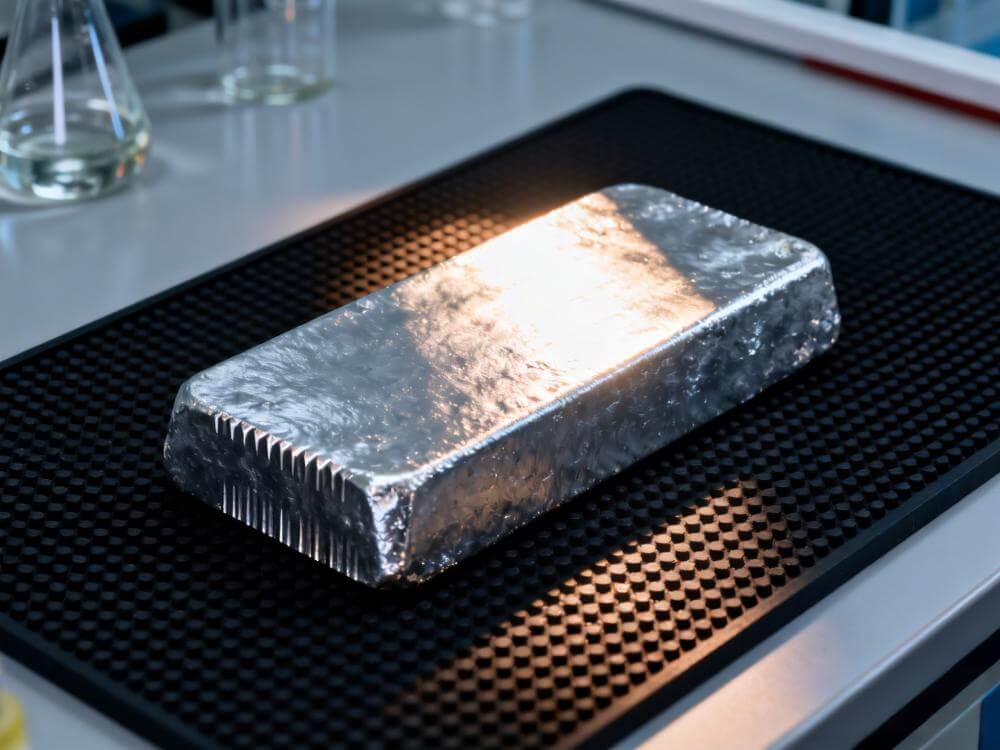
As one of the lightest structural metals, magnesium boasts notable physical and chemical properties. It is 33% lighter than aluminum and 75% lighter than steel, which makes it an optimal choice for industries where weight reduction is crucial. Additionally, magnesium exhibits excellent machinability and is readily available in different alloys, enhancing its versatility. Despite its reactive nature, which requires careful handling, its utility in manufacturing and industrial applications cannot be overstated.
Common Uses and Applications of Magnesium
Magnesium finds extensive use in several industries, particularly where weight savings and strength are paramount. In the automotive sector, magnesium alloys are employed in the manufacturing of components such as engines, transmission cases, and steering wheels, contributing to overall vehicle weight reduction and improved fuel efficiency. The aerospace industry leverages magnesium for aircraft and spacecraft parts, where every gram of weight saved translates to significant cost savings and performance gains. Furthermore, magnesium is utilized in the production of electronic devices, medical implants, and consumer products like bicycles and power tools, demonstrating its broad applicability.
Supply Side Factors
The supply of magnesium is shaped by numerous factors that influence its availability and cost-effectiveness. Understanding these factors is critical to grasping how supply chains affect magnesium prices.
Mining Locations and Production Volume
Major Magnesium Producing Countries
The global production of magnesium is concentrated in a few key regions. China dominates the market, accounting for over 80% of the world's magnesium production. Other notable producers include Russia, Israel, and the United States. These countries have leveraged their abundant natural resources and developed significant mining and production capabilities, making them central to the global magnesium supply chain.
Availability of Raw Materials
The primary raw materials required for magnesium production are dolomite and magnesite. The availability and geographical distribution of these raw materials play a crucial role in determining magnesium production levels. Regions with rich deposits of dolomite and magnesite can establish robust magnesium production facilities, sustaining consistent supply levels. However, fluctuations in the availability of these materials can introduce volatility to the magnesium market.
Production Costs
Labor Costs
Labor costs are a significant component of the overall production costs in magnesium mining and manufacturing. Countries with lower labor costs, such as China and India, can produce magnesium more economically, thereby influencing global prices. On the other hand, nations with higher wages face elevated production costs, which can lead to higher market prices for magnesium. This disparity often dictates global production patterns and cost competitiveness.
Energy Requirements and Costs
Energy consumption is another critical factor in magnesium production. The extraction and processing of magnesium require substantial energy inputs, making energy costs a major cost driver. Regions with access to affordable and reliable energy sources have a competitive advantage in producing magnesium. Conversely, rising energy prices or disruptions in energy supplies can escalate production costs, directly impacting magnesium prices.
Transportation and Logistics
The transportation and logistics of magnesium also play a pivotal role in shaping its market price. Magnesium, being a lightweight yet bulky commodity, incurs significant shipping costs. Efficient and reliable logistics networks are essential to manage these costs and ensure a stable supply. Additionally, geopolitical factors such as trade routes, tariffs, and international relations can influence transportation efficiency and costs, further affecting the market price of magnesium.
As an expert in Metals and a comprehensive non-ferrous metal Internet platform provider, Shanghai Metals Market (SMM) provides a comprehensive Internet platform for metal mining benchmark prices, analysis, news, consulting and conferences. In addition, we will provide you with the most authoritative information on a variety of metals.
Demand Side Factors
Demand side factors significantly influence magnesium prices, driven by various industries that rely heavily on this versatile metal.
Industrial Demand
Automotive Industry Demand
The automotive industry is a major consumer of magnesium. As manufacturers strive to produce lighter and more fuel-efficient vehicles, the demand for magnesium alloys increases. Components like engine blocks, body panels, and transmission cases benefit from magnesium’s lightweight properties, contributing to overall vehicle performance and reducing emissions, thereby enhancing its appeal in the automotive sector.
Aerospace Industry Demand
The aerospace industry also plays a pivotal role in driving magnesium demand. Aircraft manufacturers employ magnesium alloys to reduce the weight of aircraft structures and components. This weight reduction translates to significant fuel savings and increased payload capacity, critical in commercial and military applications. As the aerospace industry continues to expand, the demand for magnesium is expected to grow.
Consumer Product Demand
Electronics Industry Usage
Magnesium is extensively used in the electronics industry due to its combination of light weight and durability. It is a popular choice for the housing and frames of laptops, tablets, and mobile phones. The growing consumer electronics market, driven by rising disposable incomes and technological advancements, fuels the demand for magnesium, thereby influencing its market price.
Medical Device Applications
In the medical field, magnesium is valued for its biocompatibility and use in biodegradable medical implants. These implants gradually dissolve in the body, reducing the need for secondary surgeries. The increasing use of such implants in orthopedic and cardiovascular treatments, driven by advancements in medical technology, boosts the demand for magnesium in the healthcare sector.
Market Dynamics and External Influences
Various external forces shape the dynamics of the magnesium market, contributing to price fluctuations.
Global Economic Conditions
Economic conditions on a global scale have a profound impact on magnesium prices. Economic growth in industrialized and developing nations increases demand for magnesium-containing products. Conversely, economic downturns can lead to reduced consumption, impacting prices adversely. Inflation, currency exchange rates, and supply chain disruptions also play a role in determining the market dynamics of magnesium.
Trade Policies and Tariffs
Trade policies, including tariffs and trade agreements, significantly affect the magnesium market. Import and export tariffs on magnesium and its raw materials can alter competitive advantages among producing countries. Trade agreements can facilitate smoother transactions, whereas trade wars or sanctions can introduce uncertainty and volatility, impacting global prices.
Technological Advancements in Extraction and Processing
Advancements in extraction and processing technologies can lower production costs and enhance the efficiency of magnesium production. Innovations such as improved electrolysis methods, recycling technologies, and the development of new alloys can make magnesium more accessible and affordable. These technological advancements influence the supply side of the market, thereby impacting prices.
Market Speculation and Investment Trends
Market speculation and investment behaviors can lead to significant price changes in the magnesium market.
Effect of Commodity Trading on Prices
As with many other metals, magnesium is subject to commodity trading. Speculation by investors who buy and sell magnesium futures can lead to price volatility. Factors such as market sentiment, economic indicators, and geopolitical events influence trading behaviors, causing shifts in prices even if the supply and demand fundamentals remain unchanged.
Investment Trends in the Metals Market
Investment trends, such as increased investment in mining and production capacities, impact magnesium prices. When investors fund new projects or expand existing ones, the increase in supply can lead to lower prices. Conversely, reduced investment due to economic uncertainty or unattractive returns can constrain supply, driving prices up.
Environmental and Regulatory Issues
Environmental and regulatory considerations also wield significant influence over the magnesium market.
Environmental Impact Regulations
Stringent environmental regulations aimed at reducing carbon emissions and ensuring sustainable mining practices influence production costs and availability. Compliance with these regulations often requires investments in cleaner technologies and practices, which can raise production costs and impact prices. Additionally, failure to meet environmental standards can lead to shutdowns or fines, disrupting supply.
Occupational Health and Safety Standards
Regulations ensuring the safety and health of workers in the magnesium industry are crucial. These regulations mandate proper working conditions, safety gear, and procedures to minimize risks associated with magnesium’s reactive nature. Adherence to these standards can increase operational costs, influencing the market prices of magnesium. Stricter enforcement and higher penalties for non-compliance can further elevate costs.
Shanghai Metals Market (SMM) Headquartered in Shanghai, with branch office in Shandong and Guangdong province. We have extensive network and deep-rooted relationships in SMM nonferrous, ferrous and EV metal industries. At SMM, we help you Know the real China from a global perspective.
Conclusion: Future Trends in Magnesium Pricing
The future of magnesium pricing is likely to be shaped by a complex interplay of supply and demand factors, technological advancements, regulatory frameworks, and market speculation. As industries such as automotive, aerospace, and consumer electronics continue to grow, the demand for magnesium is expected to rise. Technological innovations in production and recycling could help stabilize supply and mitigate cost increases. However, global economic conditions, trade policies, and environmental regulations will remain critical in determining the ultimate trajectory of magnesium prices. Stakeholders must stay informed and adaptable to navigate the dynamic landscape of the magnesium market effectively.
![Le soutien des coûts fait remonter les cotations des lingots de magnésium ; la faiblesse de la demande sur les marchés intérieurs et étrangers pourrait entraîner une consolidation [SMM Magnesium Ingot Spot Express]](https://imgqn.smm.cn/usercenter/LYGyd20251217171725.jpg)
![La hausse des coûts de production fait grimper les prix des lingots de magnésium, tandis que la demande atone limite le rebond [SMM Express des prix spot du lingot de magnésium]](https://imgqn.smm.cn/usercenter/qjvqf20251217171725.jpg)