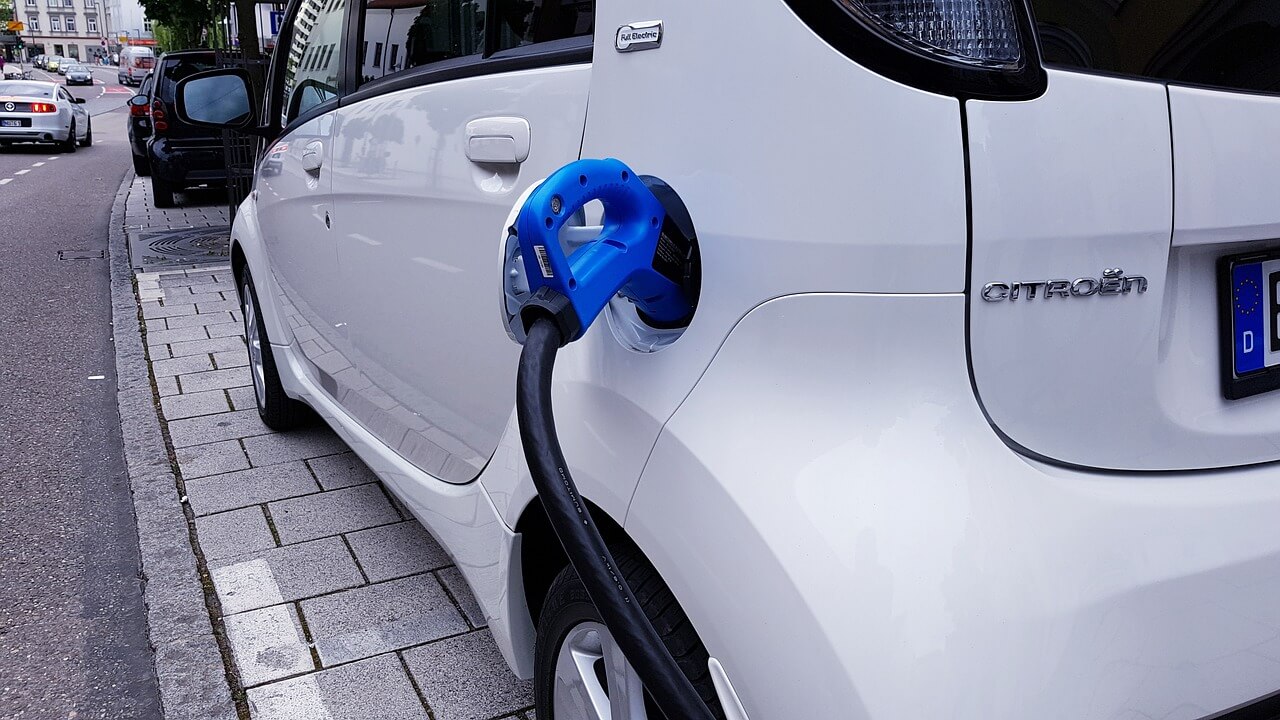
Lithium batteries have emerged as a cornerstone of modern energy storage, significantly influencing various industries, from consumer electronics to electric vehicles. These batteries, known for their high energy density and long cycle life, have revolutionized how we store and use energy. The advancements in this field not only drive innovation but also impact global markets, particularly the lithium market.
History and Development of Lithium Batteries
The journey of lithium batteries dates back to the 1970s when their basic form was first conceptualized. Initially, lithium metal was used in the anode, but the high reactivity of lithium led to safety concerns. The breakthrough came in the 1980s with the development of lithium-ion technology, which replaced lithium metal with a safer intercalated lithium compound, making the batteries more stable and commercially viable. Over the decades, continuous improvements have been made in terms of energy capacity, charge cycles, and safety features, positioning lithium batteries as a preferred choice in various applications.
As an expert in Metals and a comprehensive non-ferrous metal Internet platform provider, Shanghai Metals Market (SMM) provides a comprehensive Internet platform for metal mining benchmark prices, analysis, news, consulting and conferences. In addition, we will provide you with the most authoritative information on a variety of metals.
Key Components and Materials
A typical lithium battery consists of three main components: the anode, cathode, and electrolyte.
- Anode: Usually made of graphite, the anode is where the lithium ions are stored when the battery is charged.
- Cathode: This component is commonly composed of lithium cobalt oxide (LiCoO2) or other lithium compounds like lithium iron phosphate (LiFePO4). The composition of the cathode largely determines the battery's capacity and voltage.
- Electrolyte: The electrolyte is a lithium salt in an organic solvent, which facilitates the flow of lithium ions between the anode and the cathode.
Each of these components plays a crucial role in the performance and efficiency of the battery, and ongoing research aims to enhance the materials to make batteries more efficient and cost-effective.
Advancements in Lithium Battery Efficiency
Numerous advancements have been made in lithium battery efficiency over the years. Researchers are continuously exploring higher-capacity materials, such as silicon anodes, which can theoretically increase the energy density of batteries significantly. Additionally, improvements in electrolyte formulations are reducing charge times and enhancing overall battery longevity. These technological strides make batteries not only more powerful but also more durable and cost-effective, thereby encouraging their integration into a broader range of applications.
Factors Influencing Lithium Prices
Lithium prices are subject to a myriad of factors, which makes the market dynamic and sometimes volatile. Understanding these factors is crucial for stakeholders in the lithium industry.
Supply and Demand Dynamics
Supply and demand dynamics are perhaps the most straightforward determinants of lithium prices. On the supply side, the availability of lithium depends on mining output and the extraction technologies used. On the demand side, increased use of lithium batteries in electric vehicles, renewable energy storage, and consumer electronics boosts demand. When the supply can't keep up with the burgeoning demand, prices tend to rise, and vice versa.
Geopolitical Impacts
Geopolitical factors also play a significant role in influencing lithium prices. Countries rich in lithium reserves, such as Australia, Chile, and China, can leverage their natural resources to impact global prices. Trade policies, tariffs, and international relations between lithium-producing and lithium-consuming countries can lead to price fluctuations. Any geopolitical instability or regulatory changes in these key regions can result in supply chain disruptions, further impacting prices.
Extracting Technologies and Cost Implications
The technologies used to extract lithium from the earth's crust also significantly impact its price. There are two primary methods: hard rock mining and extracting lithium from brine pools. The cost-effectiveness and environmental impact of these methods can vary. Innovations in extraction technologies, aimed at making the process more efficient and environmentally friendly, can reduce production costs. However, if advanced technologies require substantial investment, this can temporarily elevate prices until the returns on investment are realized.
Innovations Driving Changes in Lithium Battery Technology
Technological innovation is a key driver of changes in lithium battery technology. Notable advancements include next-generation lithium-ion batteries, solid-state batteries, and emerging alternatives to traditional lithium batteries.
Next-Generation Lithium-Ion Batteries
Next-generation lithium-ion batteries are designed to surpass the capabilities of current models. These new batteries focus on enhancing key parameters such as energy density, lifecycle, and safety. For example, the incorporation of advanced cathode materials, like nickel-manganese-cobalt, allows for higher energy storage capacity and stability. Innovations like these make lithium-ion batteries more suitable for high-demand applications, such as electric vehicles and large-scale energy storage systems. This in turn spurs greater demand for lithium, influencing market dynamics and potentially driving prices higher.
Solid-State Batteries
Solid-state batteries represent a significant leap in battery technology. Unlike traditional lithium-ion batteries, which use a liquid electrolyte, solid-state batteries employ a solid electrolyte. This innovation reduces the risk of leakage and inflammation, enhancing the safety and longevity of the battery. Importantly, solid-state batteries can achieve higher energy densities, thus allowing for smaller and lighter battery packs. While the production costs are currently high, technological advancements are expected to drive these costs down over time. The shift towards solid-state batteries could fundamentally alter the demand for lithium and other related materials, impacting their market prices.
Emerging Alternatives to Traditional Lithium Batteries
In addition to advancements within lithium-ion and solid-state batteries, alternative technologies are emerging. For example, sodium-ion batteries and lithium-sulfur batteries are gaining attention for their potential cost and performance benefits. Sodium-ion batteries, using more abundant sodium resources, could offer a more cost-effective solution if their energy density and lifespan can be sufficiently improved. Lithium-sulfur batteries, on the other hand, promise higher energy densities due to sulfur's high theoretical capacity. The proliferation of these alternatives could diversify the energy storage market, leading to nuanced effects on lithium demand and pricing.
Relationship Between Technological Advancements and Market Prices
The relationship between technological advancements and market prices is intricate, involving various economic and industrial factors. Specifically, technological breakthroughs can significantly impact material costs and market prices.
Shanghai Metals Market (SMM) Headquartered in Shanghai, with branch office in Shandong and Guangdong province. We have extensive network and deep-rooted relationships in SMM nonferrous, ferrous and EV metal industries. At SMM, we help you Know the real China from a global perspective.
Impact of Technological Breakthroughs on Material Costs
Reductions in Production Costs Through Innovation
Technological advancements often lead to reductions in production costs. For instance, improvements in lithium extraction methods, such as direct lithium extraction (DLE) technologies, can make the process more efficient and less costly. DLE techniques focus on extracting lithium directly from brine using selective absorbents or membranes, significantly cutting processing time and environmental impact. These advancements can lower the cost of producing lithium, thus reducing the market price of lithium batteries over time.
Effect of Efficiency Improvements on Market Prices
Efficiency improvements in battery technology can also affect market prices. When batteries become more efficient, they deliver more energy for the same amount of material, which can reduce overall demand. For example, if a new cathode material significantly enhances the energy density of batteries, fewer cells may be required to achieve the same output. Such efficiency can lead to a balanced or even reduced demand for lithium, influencing market prices downward.
Case Examples of Price Fluctuations Due to Technological Changes
Historically, several instances illustrate how technological changes have led to price fluctuations. For instance, the widespread adoption of lithium iron phosphate (LFP) batteries, known for their stability and safety, impacted the demand for more expensive lithium cobalt oxide batteries, leading to price adjustments in the lithium market. Similarly, advancements in battery recycling technologies, which enable the recovery of lithium from used batteries, have introduced secondary supply sources, thereby influencing pricing dynamics.
Future Trends in Lithium Battery Development and Pricing Predictions
The landscape of lithium battery development is continually evolving, driven by ongoing research and innovation. Future trends and pricing predictions are thus critical areas of interest.
Predictions for the Future Development of Lithium Batteries
Prospective Innovations On the Horizon
Several prospective innovations are anticipated to shape the future of lithium batteries. For instance, breakthroughs in solid-state battery technology could lead to widespread adoption in electric vehicles, fundamentally changing market dynamics. Additionally, the development of hybrid systems combining lithium batteries with supercapacitors may offer the best of both worlds—high energy density and rapid charge/discharge capabilities. Such innovations could redefine performance standards and expand the range of applications for lithium batteries.
Industry Experts' Opinions on Future Trends
Industry experts agree that the trend towards higher energy densities, improved safety, and reduced production costs will continue to dominate lithium battery development. Advances in artificial intelligence and machine learning can also optimize battery management systems, enhancing efficiency and lifespan. Experts also highlight the importance of sustainable practices, including battery recycling and the use of eco-friendly materials, which can mitigate the environmental impact and contribute to more stable pricing.
Potential Scenarios for Future Lithium Prices
The future of lithium prices will likely be influenced by a combination of technological, economic, and geopolitical factors. One potential scenario is a steady decline in prices as technological advancements reduce production costs and improve efficiency. Alternatively, if demand for electric vehicles and renewable energy storage surges faster than supply can keep up, prices may experience upward pressure. Geopolitical stability and advancements in extraction technologies will also play critical roles in shaping future prices, making accurate predictions complex yet essential for stakeholders in the lithium market.

![Analyse de la production de sulfure de lithium de qualité batterie en août : le quatrième trimestre connaîtra-t-il une hausse ? [Analyse SMM]](https://imgqn.smm.cn/usercenter/mpqgn20251217171727.jpg)