Tin, a versatile metal with a wide range of industrial applications, plays a crucial role in various sectors. Understanding the fluctuations in tin prices is essential for businesses and investors alike. Several key factors influence the price of tin, including supply and demand dynamics, market events, and environmental regulations. By delving into these factors, one can gain valuable insights into the intricate world of tin pricing.
Factors Influencing Tin Prices
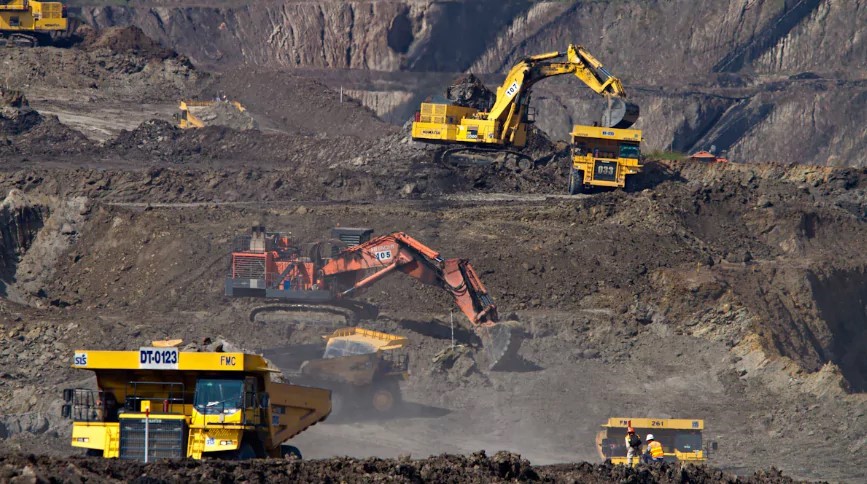
Supply and Demand
Mining Output
· Bolivia’s tin industry faces challenges in maintaining consistent production levels, with an annual yield typically ranging between 18,000 and 19,628 metric tons. This variability directly impacts the global market price of tin, creating fluctuations that businesses and investors must navigate.
Geopolitical Tensions
· The geopolitical landscape plays a significant role in determining the price of tin. With China leading as the world's top tin producer, averaging an annual yield between 90,000 and 125,000 metric tons, any disruptions in its production can have a substantial impact on the market dynamics. Similarly, Indonesia stands as the second-largest tin producer globally, contributing an average annual yield of 70,000 to 84,000 metric tons. These geopolitical factors can influence supply chains and ultimately affect the price of tin.
Environmental Regulations
· Environmental awareness has been steadily rising worldwide, impacting industries reliant on natural resources like tin. Countries like China have implemented stringent environmental regulations that affect mining practices and output levels. Such regulations can both positively and negatively influence the availability of tin in the market and subsequently affect its pricing.
As an expert in Metals and a comprehensive non-ferrous metal Internet platform provider, Shanghai Metals Market (SMM) provides a comprehensive Internet platform for metal mining benchmark prices, analysis, news, consulting and conferences. In addition, we will provide you with the most authoritative information on a variety of metals.
Market Dynamics
Chinese Supply and Demand
· China's dominance in the tin production sector significantly influences global supply and demand dynamics. As a key player with substantial annual yields, China's internal market conditions can dictate international prices for tin. Understanding these shifts is crucial for businesses looking to navigate the complexities of the global metal market.
Global Manufacturing Demand
· The demand for commodities like tin is intricately linked to global manufacturing trends. As manufacturing activities increase worldwide, driven by economic growth and industrial expansion, there is a corresponding rise in demand for raw materials such as tin. This surge in demand exerts upward pressure on prices due to limited supply capacities.
Government Policies
· Government policies play a pivotal role in shaping the landscape of the tin market. Changes in tax regulations or trade agreements can have immediate effects on pricing structures within the industry. For instance, recent tax policy adjustments in Wa State have directly impacted the price of tin by altering cost structures for producers and consumers alike.
Specific Market Events
Myanmar Tin Mines Closure
· The closure of tin mines in Myanmar's Man Maw mining area has sent ripples through the global market. This event disrupted traditional supply chains and contributed to significant fluctuations in tin prices across regions dependent on Myanmar's output.
Indonesian Export Delays
· Indonesia's status as a major exporter of tin positions it as a key player in influencing global prices. Delays in Indonesian export processes have been known to cause temporary shortages in specific markets, leading to short-term spikes in pricing until regular export flows resume.
Tax Policy Changes in Wa State
· Tax policy changes within specific regions can have far-reaching consequences on commodity pricing mechanisms. In Wa State, alterations to tax structures directly impacted local producers' costs and subsequently influenced how these changes were reflected in retail prices for consumers.
Shanghai Metals Market (SMM) Headquartered in Shanghai, with branch office in Shandong and Guangdong province. We have extensive network and deep-rooted relationships in SMM nonferrous, ferrous and EV metal industries. At SMM, we help you Know the real China from a global perspective.
Market Dynamics and Trends

Tin, Metal in Various Industries
Alloying Agent
Tin, a versatile metal, serves as a crucial alloying agent in various industries. Its unique properties enhance the strength and durability of alloys, making it an indispensable component in the production of products like bronze, babbitt metal, pewter, and solders. The addition of tin to these alloys improves their resistance to corrosion and enhances their mechanical properties.
Soldering Demand
The demand for tin in soldering applications remains robust due to its low melting point and excellent bonding characteristics. As a key component in soldering materials, tin plays a vital role in creating reliable electrical connections in electronic devices. The growth of industries such as electronics manufacturing continues to drive the demand for tin-based solders worldwide.
Tinplate Raw Material Market
Price of Tinplate Boxes
The price of tinplate boxes is influenced by various factors within the raw material market. The cost of tinplate boxes is directly tied to the prevailing market price of tin, which fluctuates based on supply and demand dynamics. Additionally, factors such as refining tinplate raw materials, transportation costs, and processing fees contribute to the final pricing structure of tinplate boxes.
Printing Costs
Printing costs play a significant role in determining the overall expense associated with producing tinplate boxes. Customized designs, intricate patterns, and high-quality prints can elevate printing costs for tinplate box manufacturers, impacting the final retail prices for consumers. Efficient management of printing processes is essential to optimize costs while maintaining product quality.
Future Outlook
Energy Transition
The ongoing global shift towards sustainable energy sources is expected to impact the future demand for tin significantly. As renewable energy technologies continue to evolve and expand, the need for tin in solar panels, batteries, and other green energy solutions is projected to rise. This shift towards cleaner energy sources presents new opportunities for tin producers and underscores the metal's importance in shaping a greener future.
Infrastructure Spending
Increased infrastructure spending initiatives around the world are poised to drive demand for construction materials like steel and aluminum—both of which rely on tin as an alloying element. The development of infrastructure projects requires substantial quantities of tin-containing materials, further highlighting the metal's essential role in supporting global infrastructure growth. As governments invest in building resilient infrastructures, the demand for tin is expected to remain steady.
Conclusion
Revisiting the intricate world of tin pricing unveils a web of factors driving its market fluctuations. From supply disruptions in Indonesia to tax policy shifts in Wa State, these elements shape the market dynamics significantly. Understanding these nuances is paramount for businesses and investors navigating the tin landscape. Looking ahead, an anticipated recovery in demand coupled with ongoing supply challenges may tighten the market in 2024, reflecting the delicate balance of supply and demand. The global refined tin production decline in 2023 underscores the industry's resilience amidst evolving geopolitical and economic landscapes.