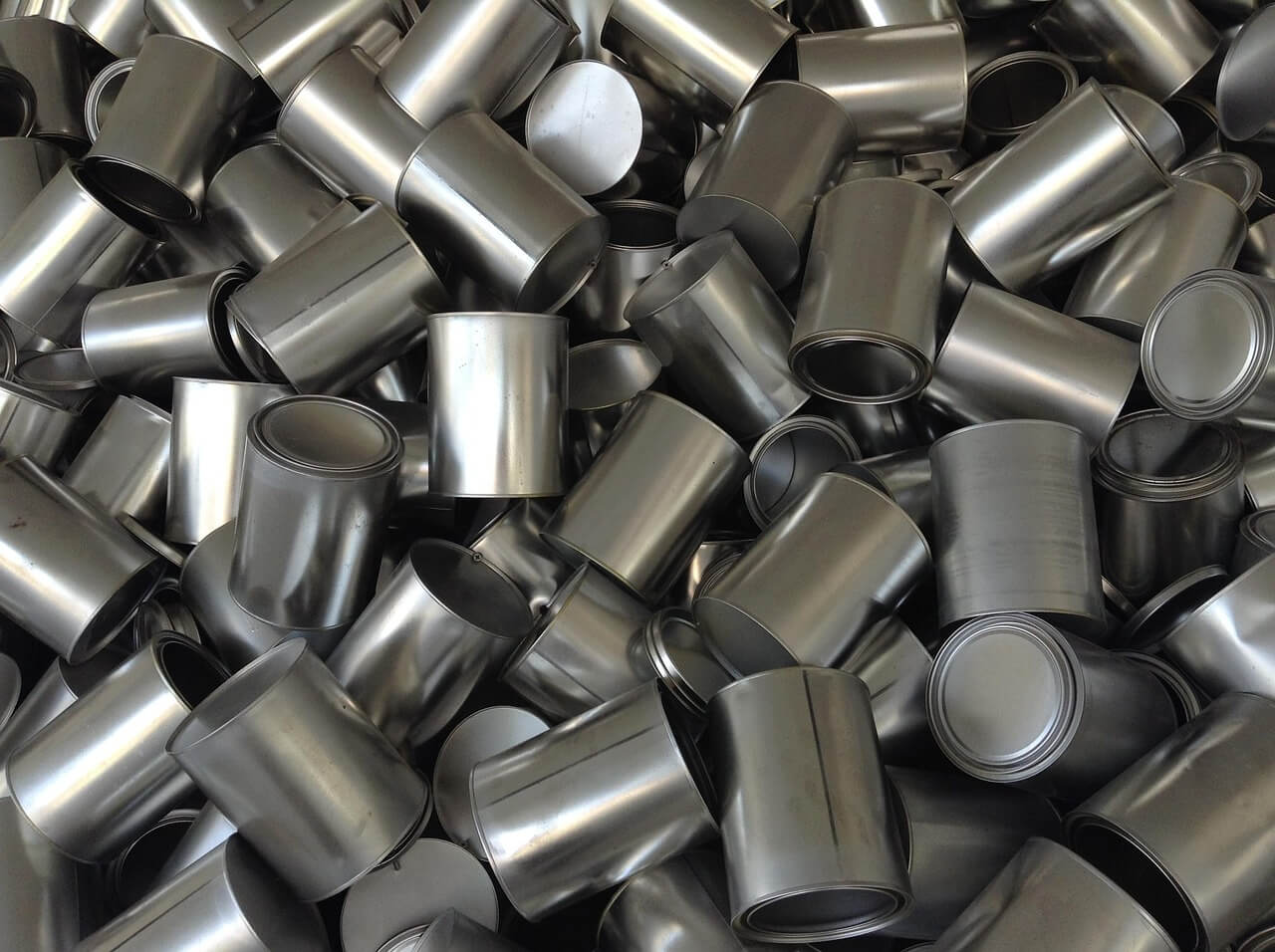
Last week, on April 25th, the UK government made a significant announcement regarding the Deposit Return Scheme (DRS) for drinks containers. They revealed that the scheme's implementation would be postponed until October 2027. Alongside this postponement, DEFRA disclosed several decisions regarding joint registration and reporting, labelling requirements, reciprocal returns, deposit levels, minimum container sizes, and strategies to address low-volume sales.
Furthermore, they reiterated that the scheme in England, Scotland, and Northern Ireland would not cover glass drink containers. This decision was made due to concerns about the complexity and associated handling costs of glass containers.
What Tom Giddings said
Commenting on the announcement, Tom Giddings, executive director of Alupro, stated, “Given the recent lack of progress, the long lead time needed for implementation and rumours of a delay circulating for a number of months now, today’s announcement is far from a surprise. However, with the policy first announced in 2018 and two consultations subsequently held in 2019 and 2021, it’s hugely disappointing that the scheme will have taken almost a decade since its inception to come to fruition.
Developed with the ambition of further driving recycling rates, as well as reducing litter and plastic pollution, a well-designed DRS provides a once in a generation opportunity to revolutionise the circular economy of drinks containers. We have always wholeheartedly supported its implementation, with a number of important caveats, as outlined within our aluminium manifesto.”
“It’s frustrating to hear that the Government is putting its head in the sand when it comes to embracing an all-in scheme and supporting a fair and level playing field for all competing materials. Reversing this decision is probably somewhat of a foregone conclusion, however, even if excluded from the scheme, glass beverage containers should still be subject to equal collection and recycling targets under the EPR system. But material inclusion is just one of several decisions that still need clarifying. Now that the 2027 go live date has been confirmed, the Government must immediately turn its attention to ensuring that proactive decisions are made to ensure the scheme delivers the best possible long-term results,” added Tom Giddings.
Steps to avoid imbalance in the DRS
Firstly, the DRS must embrace a variable-rate deposit coupled with a maximum deposit level to ensure flexibility. This is crucial in preventing market imbalances for beverage containers, especially those sold in multipacks. The success of such a system, as witnessed in the Republic of Ireland this year, underscores its effectiveness.
Secondly, it's essential to position the DRS as a circular economy initiative, not just an anti-litter campaign. The collected materials should be easily accessible to recyclers of aluminium packaging, fostering a continuous loop of recycling. This approach ensures that the scheme contributes to the production of new recycled beverage containers, such as aluminium cans, thereby closing the recycling loop.
Finally, the scheme should recognise the significant value of aluminium and use this to finance the collection of aluminium cans within the DRS. By offsetting costs for obligated can-using businesses exclusively, the scheme can maintain financial viability and encourage participation.
While our current journey with the scheme has encountered delays and changes, it's essential not to dwell solely on the challenges. Despite frustrations, its introduction should be viewed as a positive step forward. As an industry, we must redouble our efforts to maximise its long-term impact and contribute to a more sustainable future.
“Ensuring legislation is robust and delivers the maximum possible impact is pivotal. The government must therefore make big and well-informed decisions to create a dependable system for the future. After all, to achieve an effective DRS, we need to work collaboratively. Doing so is essential if we are to roll out a scheme that improves recycling rates and reduces litter, while also creating a system that works and sets the international standards for success,” said Tom Giddings.
![[SMM Flash Info] South32 a révisé son offre de prime CIF MJP pour le T4 2026 à 265 $/t](https://imgqn.smm.cn/usercenter/tkWbz20251217171654.jpg)