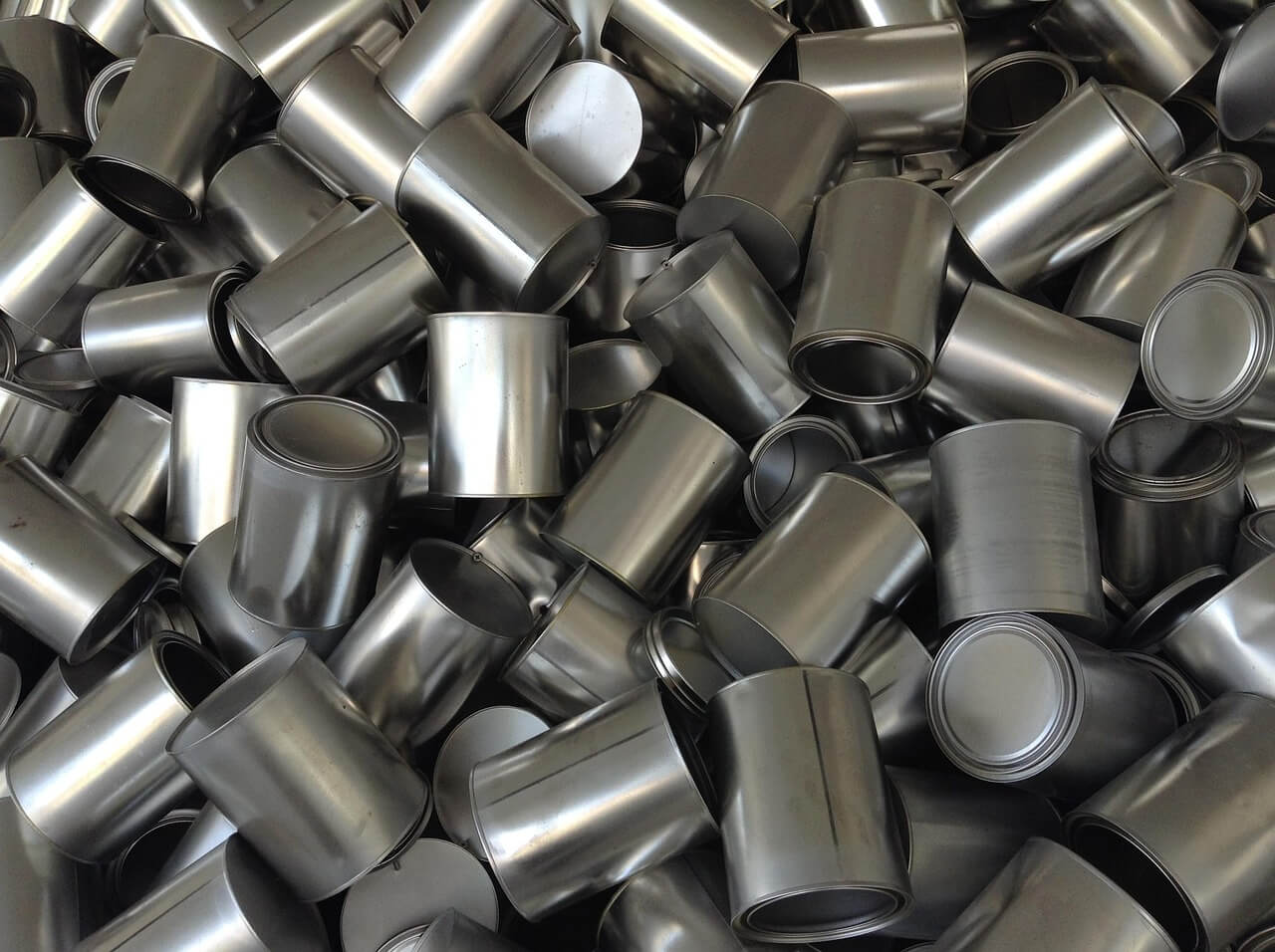
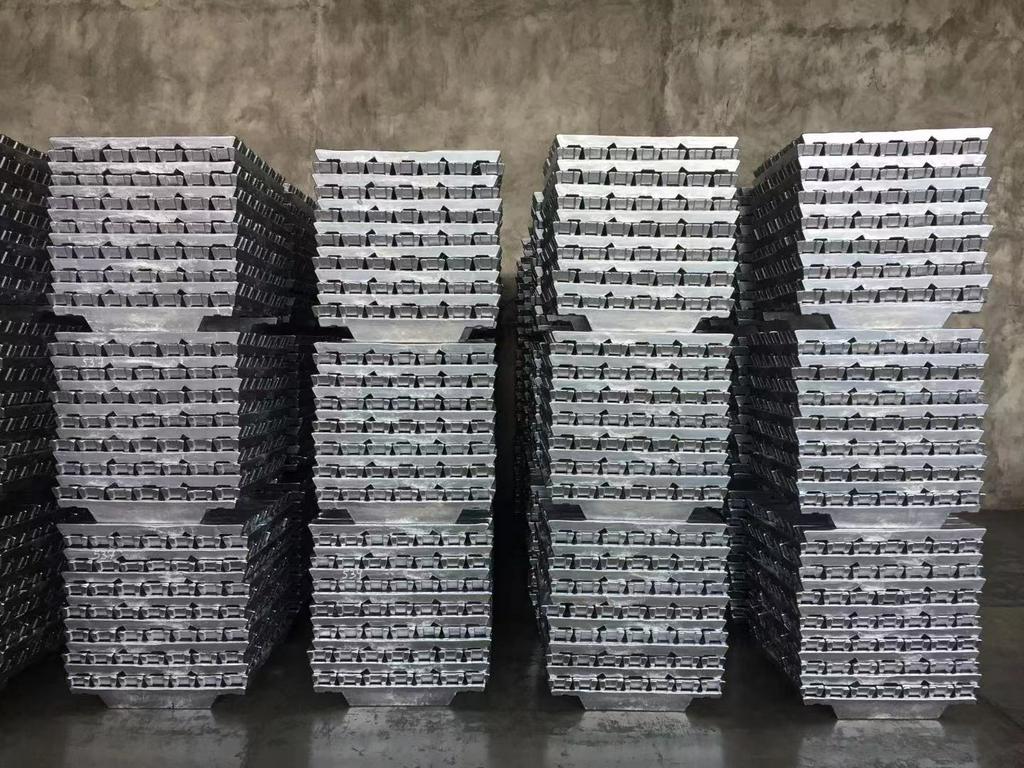
As we celebrate March 18th as 'Global Recycling Day', it's time to shine a spotlight on one of the unsung heroes of the recycling world: aluminium. Amidst the global efforts to mitigate environmental degradation and combat the looming spectre of climate change, aluminium stands tall as a beacon of sustainability and circularity.
With its remarkable properties, aluminium has become an indispensable material in modern society. From the aerospace industry to everyday household items, its lightweight, corrosion-resistant, and infinitely recyclable nature has revolutionised various sectors while reducing environmental impacts. On this auspicious occasion, let us delve into the profound significance of aluminium recycling and its pivotal role in fostering a sustainable future.
The aluminium advantage: A material marvel
Aluminium's journey begins with its extraction from bauxite ore, a process that demands significant energy consumption. However, what sets aluminium apart is its recyclability quotient. Unlike many other materials, aluminium can be recycled repeatedly without losing its inherent properties. This means that the aluminium can that contained your favourite beverage could be transformed into a new can, a bicycle frame, or even part of an aircraft.
Moreover, recycling aluminium consumes only a fraction of the energy required for primary production, making it a frontrunner in energy-efficient materials. According to the Aluminum Association, recycling aluminium saves more than 90 per cent of the energy needed to produce new aluminium from raw materials. This conserves resources and slashes greenhouse gas emissions, contributing to a greener and more sustainable planet.
The circular economy in action
At the heart of aluminium's sustainability lies the circular economy concept. Instead of following a linear 'take-make-dispose' model, aluminium exemplifies a closed-loop system where materials are continuously recycled, repurposed, and reused. This minimises waste, reduces the strain on finite resources, and mitigates environmental pollution.
World Recycling Day poignantly reminds us to embrace circularity in our consumption patterns. By diligently recycling aluminium, we can divert tonnes of waste from landfills, conserve energy, and curb the extraction of virgin resources. Furthermore, the economic benefits of aluminium recycling are substantial, generating employment opportunities and fostering innovation in recycling technologies.
Challenges and opportunities
Despite its myriad benefits, aluminium recycling faces its share of challenges. Contamination, inadequate collection infrastructure, and lack of awareness remain significant hurdles in maximising aluminium's recycling potential. Addressing these challenges demands concerted efforts from policymakers, industries, and communities alike.
Investments in recycling infrastructure, public awareness campaigns, and innovative sorting technologies are crucial steps towards enhancing aluminium recycling rates. Additionally, extended producer responsibility (EPR) schemes and incentivised recycling programs can incentivise stakeholders to adopt sustainable practices and contribute to a circular economy.
Embracing a sustainable future
As we commemorate Global Recycling Day, let us reaffirm our commitment to sustainable living and responsible consumption. Aluminium, with its unparalleled recyclability and environmental benefits, stands as a shining example of what can be achieved through collective action and innovation.
On this occasion, let us pledge to recycle aluminium diligently, advocate for robust recycling policies, and embrace the principles of the circular economy. Together, we can harness the power of aluminium to build a cleaner, greener, and more resilient world for generations to come.
On the eve of March 18th, let us celebrate the Aluminium Revolution and its pivotal role in shaping a sustainable future. Happy Global Recycling Day!
![[SMM Flash Info] South32 a révisé son offre de prime CIF MJP pour le T4 2026 à 265 $/t](https://imgqn.smm.cn/usercenter/tkWbz20251217171654.jpg)