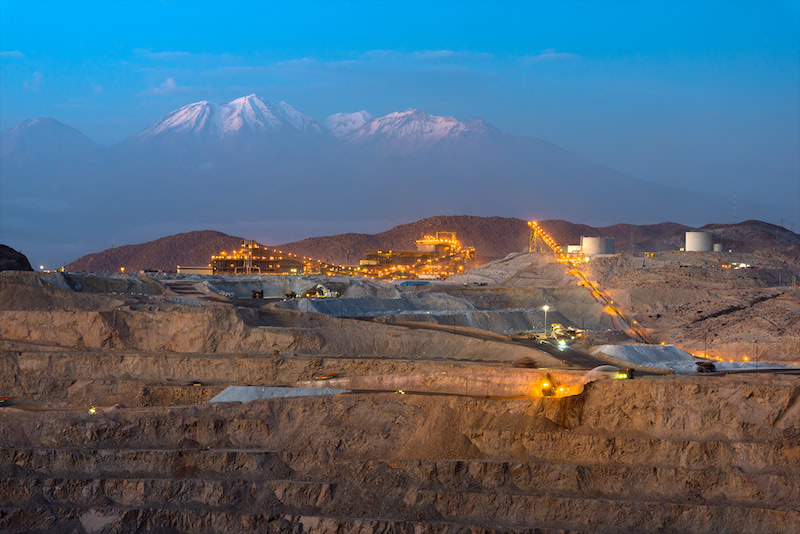
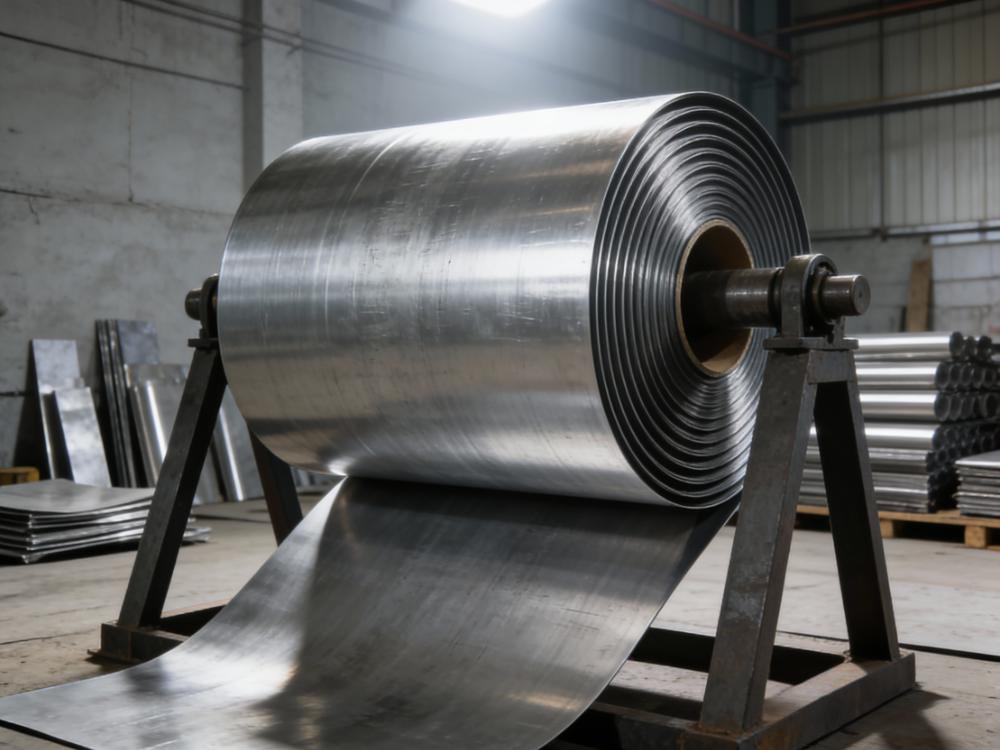
Lead, as a base metal, has a wide range of applications in many fields such as electronics, construction and energy. Its price fluctuation not only concerns the cost of producers and the profit of sellers, but also directly affects the healthy development of many downstream industries. So, what factors behind the scenes manipulate the ups and downs of lead prices?
The cornerstone role of supply and demand
Supply and demand is the core factor affecting lead prices, and the SMM website provides detailed data on lead mine production, smelting capacity and consumption, which can reflect the supply and demand situation in the lead market. The increase or decrease of supply is directly related to the fluctuation of lead price, while the change in demand is the key factor influencing the trend of lead price.
The global impact of macroeconomic factors
Macroeconomic factors are another global factor affecting lead prices. The fluctuation of lead price is closely related to the global economic condition. The overall condition of the global economy, monetary policy, trade policy, etc. all have an impact on lead prices. When the economy is booming, activities such as infrastructure construction and industrial production increase, and the demand for lead rises accordingly, driving up lead prices. Conversely, when the economy is in recession, the demand for lead decreases and lead prices may fall.
In addition, adjustments in monetary policy and changes in the level of inflation may also have an impact on lead prices.
Dual Impact of Policy and Environmental Restrictions
The government's policy regulation of the lead industry and environmental protection requirements also have an important impact on lead prices. The government may influence the import and export of lead by adjusting tariffs, exchange rate of the Chinese Yuan (CNY) and other policies like China’s strategy to peak carbon emissions, thus regulating the balance of supply and demand in the domestic market. On the other hand, with the improvement of environmental protection awareness, the government's environmental protection requirements for lead smelting and use are also increasing. This not only increases the production cost of lead, but also may limit the supply of lead, which in turn affects the price of lead.
In addition, the export restriction policy of some resource-based countries on mineral resources may also lead to global lead supply tension, which will affect the lead price.
Short-term impact of speculation and arbitrage
Speculation and arbitrage in the futures market is a short-term impact factor on lead prices, and the SMM website provides trading data and analysis reports on lead futures contracts, revealing the impact of speculators' and arbitrageurs' behavior on lead prices. Speculators buy and sell based on market expectations, which may exacerbate lead price volatility. Arbitrageurs, on the other hand, utilize the spreads between different markets and contracts to conduct and carry out arbitrage trades, further influencing the short-term trend of lead prices.
The unique role of unique influencing factors
In exploring the influences on lead prices, in addition to the common factors, there are a number of influences. They can have a significant impact on lead prices under certain circumstances. These unique influences are explored in more detail below:
Inventories
The inventory level of lead is one of the most important factors affecting its price. The level of inventories is directly related to the tightness of supply in the market.
In addition, the geographic distribution of inventories can also have an impact on lead prices. Tight inventories in certain areas may lead to an increase in the price of lead in that area, while other areas may maintain relatively stable lead prices due to sufficient inventories. Therefore, the movement and distribution of inventories need to be closely monitored in order to more accurately predict the movement of lead prices.
Cost of production
The cost of lead production is an important determinant of long-term price trends. Lead production consists of several processes including mining, smelting and refining. The costs of these processes are affected by various factors such as input costs, labor costs, energy costs, and environmental requirements.
Lead recycling
Lead is a metal that can be recycled and reused, so the recycling and recycling of lead also affects the price of lead. If there is an increase in scrap lead, it can reduce production costs, thus putting pressure on lead prices. And if there isn’t enough scrap lead, lead prices can rise. Additionally, improved scrap recycling technologies and recycling efficiencies can also contribute to lead prices.
Changes in demand for lead in different applications
Lead is used in several fields, such as storage batteries, cables, paints and so on. The demand for lead in different fields and changes in demand may have an impact on lead prices. In recent years, electric bicycles, motor vehicles and other mobility tools are widely used, and their production and sales have increased year by year. At the same time, the start of 5G commercialization will further increase the demand for lead batteries, which will all play a role in the price of lead. In addition, the rise and fall of industries such as electronics, chemical and nuclear power industries may also have an impact on the demand for lead.
Summary
In summary, the factors affecting lead prices are many and complex. To fully understand lead price dynamics and market trends, we need to look closely at these factor changes and perform in-depth analysis along with the data and services provided by the SMM website. To cope with ever-changing market conditions and challenges, we must continuously improve our analytical capabilities and market insights.
![SHFE plomb recule légèrement de 0,03 % avec une longue ombre supérieure, la consolidation à des niveaux élevés reste intacte [Bref commentaire sur les contrats à terme sur le plomb]](https://imgqn.smm.cn/usercenter/xVgcv20251217171721.jpg)