SHANGHAI, Mar 10 (SMM) – Last week, operating rates of aluminium downstream leading processing enterprises rose slightly, up 0.1% to 69.9% over last week. Domestic aluminium prices rose and then fell. Compared to small and medium-sized processing enterprises, aluminium downstream leading processing enterprises performed well, which were less influenced by the fluctuations of raw material prices and they didn’t reduce production due to the high raw material prices. From the perspective of different sectors, operating rates of aluminium cable and aluminium extrusion rose slightly, which mainly due to improvement of orders, leading to a positive trend of operating rates. In addition, aluminium prices fell sharply, which also stimulated restocking to some companies. Last week, operating rates of aluminium plate, sheet, strip and foil and aluminium alloy sector remained stable. Some aluminium sheet and strip companies said that there were more overseas orders. Exports were expected to rise again. In terms of regions, the pandemic emerged in many parts of the country during the week, but it has not affected the operation on a large scale yet. The impact of the pandemic on logistics still needs attention. In the short term, operating rates of aluminium sheet and strip, aluminium extrusion and cable are expected to improve, driving up the weekly production resumption of the leading enterprises. SHFE/LME price ratio remains low. The exports of aluminium may improve. SMM will focus on the situation of overseas orders.
In terms of different products:
Primary aluminium alloy: The average operating rate of large primary foundry aluminium alloy enterprises remained at 69%. Last week, prices of aluminium fell sharply while downstream were enthusiastic about taking orders. Alloy plants shipped out quickly. Considering the trend of aluminium prices, the growth rate of the automotive industry and other aspects, few alloy plants chose to expand production scale but remained destocking. Many enterprises had feedbacks that the current consumption of the automotive industry was less than expected, and the growth of operating rates of leading primary foundry aluminium alloy enterprises were to slow down.
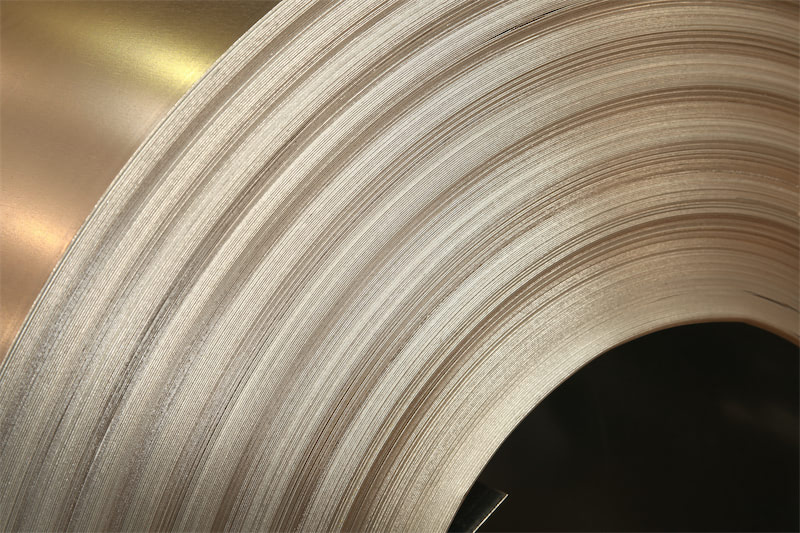
Aluminium plate/sheet and strip: The average operating rate of large aluminium plate/sheet and strip enterprises was flat at 84% last week. Last week, aluminium prices fell sharply while the downstream placed more orders. At the same time, the influence of low SHFE/LME price ratio emerged when foreign customers placed orders more actively, especially in the Middle East, Southeast Asia and other places. Due to the upcoming peak season of consumption and the increase in overseas orders, domestic aluminium plate/sheet and strip enterprises were generally optimistic about the orders, and operating rate of the leading enterprises were expected to remain high.
Aluminium cable: The operating rates of leading aluminium cable enterprise increased by 0.6% to 57.2% MoM, which mainly due to the approaching delivery of some enterprises, so the operating rates rose steadily. The operating rates of cable enterprises in Shandong and Henan area remained stable. While the prices of aluminium fell, the production of aluminium cable was slightly disturbed by high fluctuations in aluminium prices. Some enterprises remained wait-and-see, avoiding procurement during high risk, and mainly reduced inventory. During the month, orders of the national network have improved, while the operating rates of leading aluminium cable enterprises remained positive in short term.
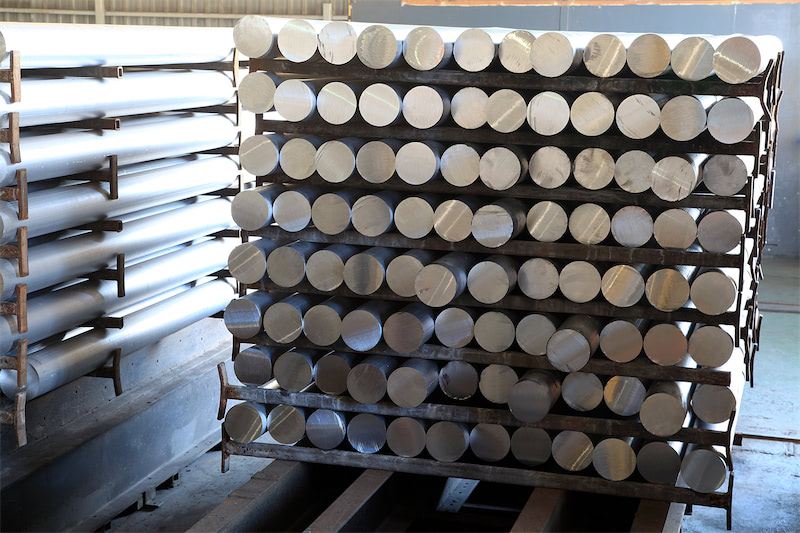
Aluminium extrusion: Operating rates at major aluminium extrusion enterprises rose 0.5 percentage points, remained below normal level. Due to high and volatile aluminium prices, downstreams were cautious, resulting in flat orders and delayed market consumption. Among them, demand of construction extrusion remained weak. Under the low demand of real estate industry, downstream made cautious orders. The over transactions of market were light. Orders for industrial materials performed well, but not good enough compared to the same period last year. Aluminium prices saw significant downward corrections. It’s expected that operating rate may rise slightly this week. Aluminium foil: Operating rates at major aluminium foil enterprises stood at 85.6% last week without change. Aluminium prices fell last week and downstream willingness for delivery increased. Orders of air-conditioning foil and other products increased in the upcoming peak season, resulting in high orders of aluminium foil companies. However, the pandemic was still serious in Shanghai last week, with recurring in many places at the same time, causing problems for the transport of aluminium foil. Attention should be paid to the production of local leading aluminium foil enterprises in Shanghai due to the worsening pandemic.
Primary aluminium alloy: Operating rate of primary aluminium alloy stood at 54.6%. Aluminium prices fell nearly 2,000 yuan/mt last week, while scrap aluminium with less decline, resulting in high costs of ADC12 with less possibility to fall, down 500 yuan/mt as of Mar 10 over last week. Downstream terminal consumption was flat, while the rapid downward prices triggered more wait-and-sees in die-casting enterprises. Companies maintained rigid demand and mainly reduced inventory. The overall market transactions remained flat. The local rules of No. 40 were not launched, and some enterprises were restricted in purchasing aluminium scrap, with a slight decline in production and no major impact on sample enterprises. Operating rate of secondary aluminium is expected to stabilise this week.