New tariff codes of aluminium scrap not yet fully implemented

Publié: Nov 23, 2020 14:30 (GMT+8)
Starting from November 1, imported recycled cast aluminium alloy raw materials that comply with the Recycled Cast Aluminium Alloy Raw Materials (GB /T 38472-2019) can be imported freely without approval and port restrictions, according to the Announcement on Regulating the Import Management of Recycled Brass Raw Materials, Recycled Copper Raw Materials and Recycled Cast Aluminium Alloy Raw Materials.

SHANGHAI, Nov 23 (SMM) — Starting from November 1, imported recycled cast aluminium alloy raw materials that comply with the Recycled Cast Aluminium Alloy Raw Materials (GB /T 38472-2019) can be imported freely without approval and port restrictions, according to the Announcement on Regulating the Import Management of Recycled Brass Raw Materials, Recycled Copper Raw Materials and Recycled Cast Aluminium Alloy Raw Materials. However, SMM’s survey has found that most customs ports have not yet recognised the new tariff code (7602000020) and are still implementing the previous tariff code.

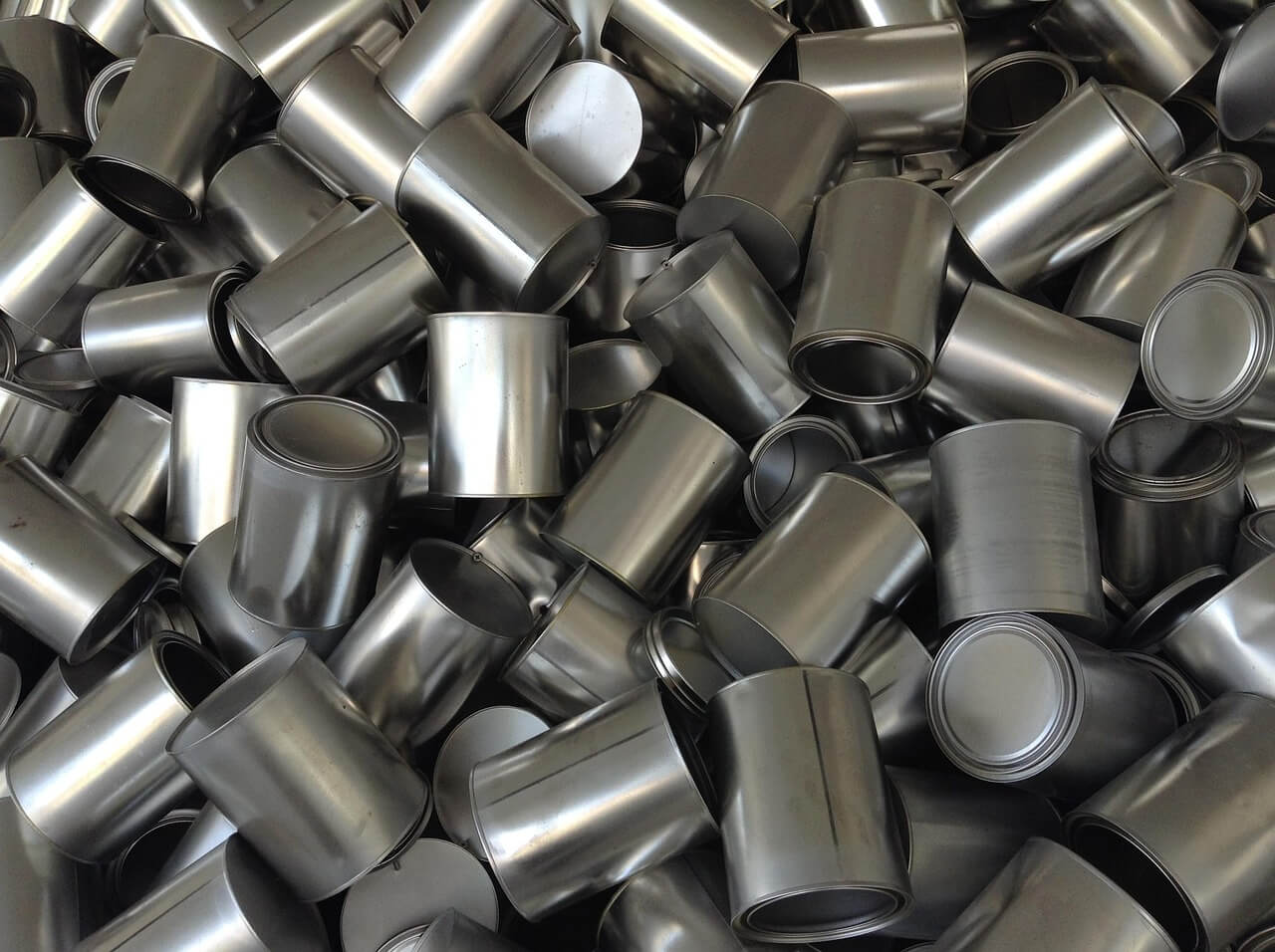
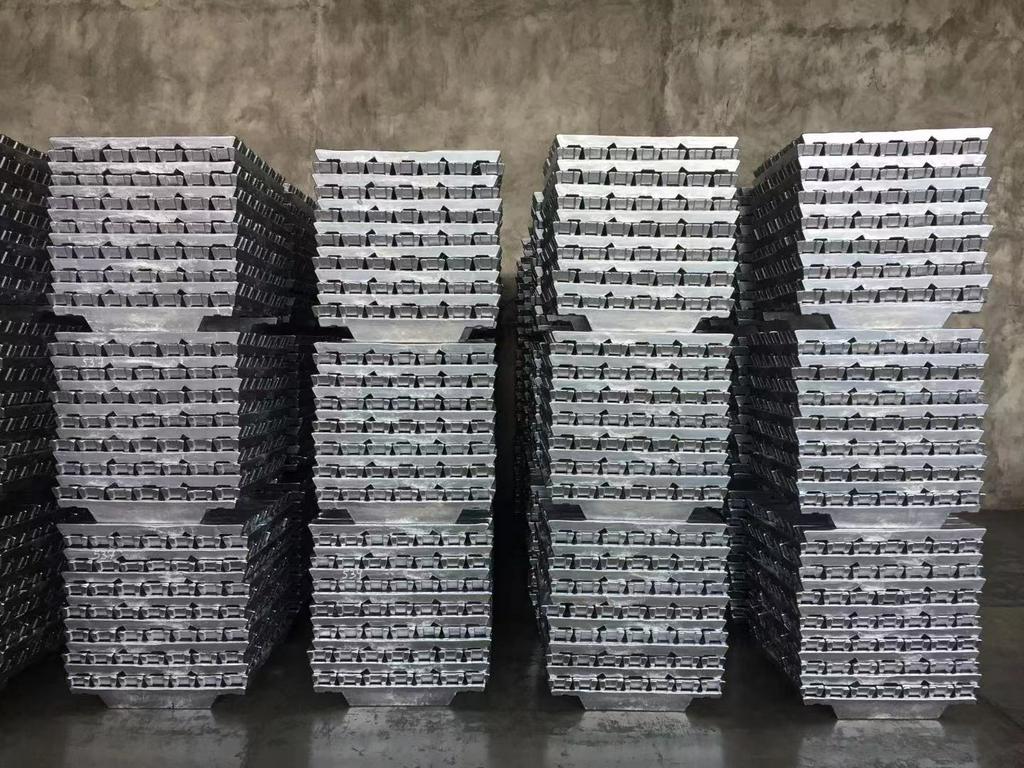
Some freight forwarding companies have released relevant tariff rates of products under the new tariff code (7602000020), whose most-favoured-nation (MFN) import tariff rate is 1.5%. There are indeed a certain amount of imported aluminium alloy ingots and aluminium scrap that have entered China at the MFN rate of 1.5%, but the amount is limited and only a few ports allowed imports. Ningbo port has imported Indian secondary aluminium ingots under the new tariff code (the tariff rates under the previous and new tariff codes are 4.6% and 1.5% respectively). Sanshan port and Zhaoqing port in Guangdong imported scrap aluminium. However, market opinions are divided on the issue of tariff rates. Some are concerned that companies who imported at the tariff rate of 1.5% will need to pay additional tax in the future while others believe that the 1.5% tariff rate will be fully refunded.

Other ports refused to recognize the new tariff code 7602000020 on the grounds that the General Administration of Customs did not issue tariff rates of the new tariff code, and continue to implement the previous tariff codes for aluminium scrap and secondary aluminium.

For more information on the aluminium sector, please subscribe to China Aluminium Weekly.

Déclaration sur la source des données : À l'exception des informations publiques, toutes les autres données sont traitées par SMM sur la base d'informations publiques, d'échanges avec le marché et en s'appuyant sur le modèle de base de données interne de SMM. Ils sont fournis à titre indicatif uniquement et ne constituent pas des recommandations décisionnelles.

Pour toute demande d'information ou pour en savoir plus, veuillez contacter : lemonzhao@smm.cn
Pour plus d'informations sur l'accès à nos rapports de recherche, veuillez contacter :service.en@smm.cn
Actualités Connexes
[SMM Flash Info] South32 a révisé son offre de prime CIF MJP pour le T4 2026 à 265 $/t
il y a 6 heures
[SMM Flash Info] South32 a révisé son offre de prime CIF MJP pour le T4 2026 à 265 $/t
Lire la suite
[SMM Flash Info] South32 a révisé son offre de prime CIF MJP pour le T4 2026 à 265 $/t
[SMM Flash Info] South32 a révisé son offre de prime CIF MJP pour le T4 2026 à 265 $/t
Sources du marché : South32 a révisé son offre de prime MJP CIF pour le T4 2026 à 265 $/t, contre 325 $/t. Validité jusqu'au 5 octobre 2026.
il y a 6 heures
L'ADC 12 indien se maintient malgré la baisse de l'aluminium au LME ; l'offre restreinte de ferraille limite le repli
il y a 23 heures
L'ADC 12 indien se maintient malgré la baisse de l'aluminium au LME ; l'offre restreinte de ferraille limite le repli
Lire la suite
L'ADC 12 indien se maintient malgré la baisse de l'aluminium au LME ; l'offre restreinte de ferraille limite le repli
Les prix de l'ADC 12 en Inde sont restés relativement résistants malgré une baisse de 1,2 % des prix de l'aluminium à 3 mois sur le LME entre le 24 et le 30 septembre.
il y a 23 heures
Rio Tinto sécurise les opérations de la fonderie de Bell Bay jusqu’à fin 2031
01 Oct 2026 17:09 (GMT+8)
Rio Tinto sécurise les opérations de la fonderie de Bell Bay jusqu’à fin 2031
Lire la suite
Rio Tinto sécurise les opérations de la fonderie de Bell Bay jusqu’à fin 2031
Rio Tinto a annoncé le 1er octobre avoir conclu des accords avec le gouvernement de Tasmanie, le gouvernement fédéral australien et Hydro Tasmania pour prolonger l'approvisionnement en électricité de la fonderie d'aluminium de Bell Bay jusqu'à fin 2031. Les deux gouvernements fourniront également une enveloppe de soutien combinée de 200 millions de dollars australiens sur cinq ans, à hauteur de 100 millions chacun. Les conditions commerciales de l'accord sur l'électricité n'ont pas été divulguées. Bell Bay produit environ 190 000 tonnes d'aluminium primaire par an, tandis que son contrat d'électricité actuel devait expirer fin 2026. L'accord lève l'incertitude opérationnelle immédiate de la fonderie. Bell Bay est la troisième grande fonderie d'aluminium australienne à bénéficier d'un soutien public en 2026, après Boyne et Tomago, ce qui souligne la pression persistante des coûts élevés de l'électricité et de la concurrence internationale.
01 Oct 2026 17:09 (GMT+8)