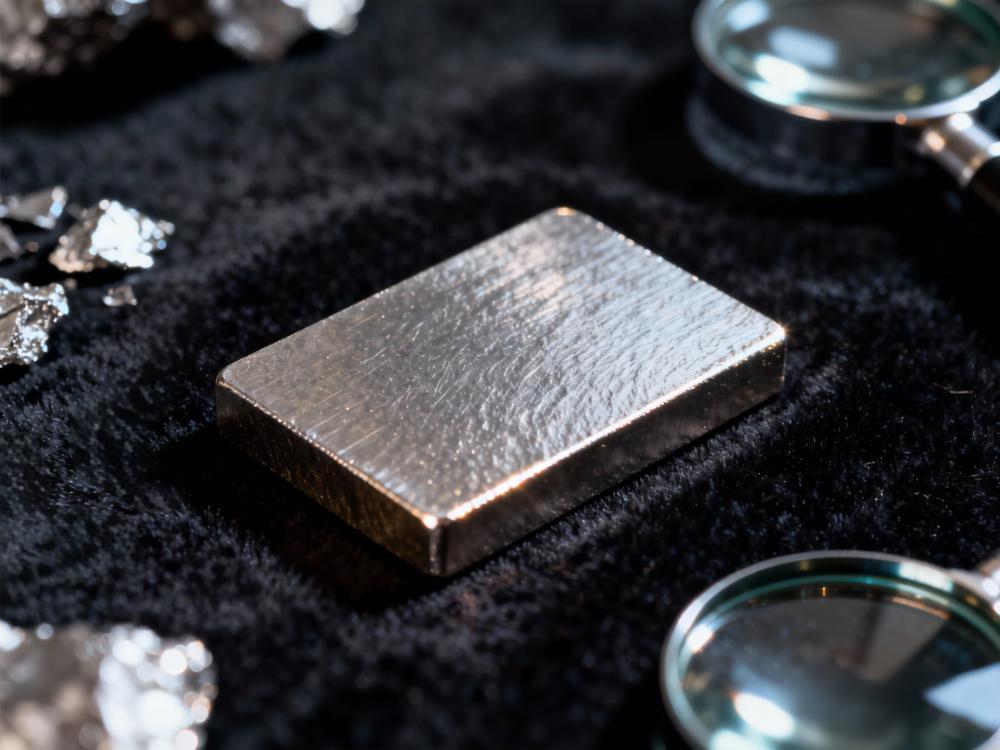
New energy metals, including nickel ore and rare earth elements, have enjoyed an unprecedented increase in demand caused by the modern drive toward sustainable energy. Due to these factors, an unprecedented surge in demand, never seen before for these critical raw materials, is being propelled by electric vehicles, renewable energy storage, and other clean technologies. But this unprecedented surge in demand has given way to a growing supply chain crisis that lays bare the vulnerabilities threatening to disrupt the flow of essential materials needed in the green energy transition. That is to say, the present blog is going to represent the current situation of nickel ore and rare earth markets, challenges brought about by supply chains, and possible solutions which will make metals available to future industries. Further, this presentation also develops market trends, prices, and price forecasting, after integrating views presented by Shanghai Metals Market, or SMM.
The Nickel Ore Supply Chain Crisis: A Cause for Growing Concern
Nickel is a very important metal to manufacture lithium-ion batteries and electric vehicles. Supplies of nickel are increasingly facing severe constraints, more so regarding nickel ore, the raw material from which nickel is extracted. Such a supply chain crisis is propelled by a number of key factors that include limited production, geopolitical tensions, and environmental concerns.
According to the latest data from SMM, Indonesia, which supplies about 30% of the world's nickel, is finding it increasingly difficult to maintain seamless output amid changes in regulations and growing environmental concerns.
As of January 3, 2025, SMM reported that the average price for Indonesia laterite nickel ore had reached USD 22/wmt (1.2% delivered duty unpaid), while the high-grade nickel matte has already hit USD 44/wmt (1.6% delivered duty unpaid). The demand for nickel has increased so much-mainly for EV batteries and stainless steel production-that the imbalance between this and supply is yielding a very steep price increase. This is mainly because of the recent boom in the electric vehicle market, which is projected to sell more than 30 million units yearly by 2030, considering data from the International Energy Agency (IEA)-that would probably treble the demand for nickel by 2040. However, at variance with projections, production cannot keep pace with demand.
Rare Earths: The Critical Element in the Transition to Green Energy
Here, it is required to have very high consumption in magnet manufacture, wind turbines, electric vehicle motors, and energy storage systems. The reason for an inadequate supply of metals like neodymium, dysprosium, and terbium is because of the highly complicated mining and processing of the ores containing those metals.
According to SMM, the China Rare Earth Procurement Strategy Report reflects that in January 2025, the price for rare earth concentrates such as RE Carbonate was USD 3,901.08/mt, down by -12.57% compared with previous months.
However, prices of rare earth oxides, such as neodymium oxide, continued to go up with the strong demand from electric vehicle and renewable energy sectors. In fact, global demand for rare earth magnets-a key ingredient in both electric vehicles and wind turbines-is likely to increase by 15-20% annually. The supply chain for these materials remains fragile, even as the need for them increases. China controls about 70% of the world's rare earth production, and stricter environmental regulations on mining have cut into its output. Of late, this is compounded by a geopolitical standoff between China and the United States that makes the supply chain more fragile for metals that include trade restrictions and tariffs on rare earths.
Geopolitical Landscape: Implication for Supply in Nickel and Rare Earths
This concentration essentially means that the supply risk of nickel and rare earth is very high, mainly found in Indonesia and China. A series of recent geopolitical events--an ongoing U.S.-China trade war--have amplified that risk even higher.
For example, Indonesia, richly endowed with nickel ore, has recently banned the exportation of its raw nickel to ensure more domestic processing and value addition.
Although such a policy encourages the local industries, it also places at risk the supplying of nickel to world markets. In January 2025, the price of Indonesia laterite nickel ore fluctuated while the higher-grade nickel matte is priced at an average of about USD 12,336/nickel ton. For the large supplies of high-quality nickel ores emanating from Indonesia being reduced, thereby forcing major world players in EV and battery supply chain exploration of alternative sources, which are invariably either more expensive or logistically cumbersome to handle. Likewise, the Chinese virtual monopoly of the supply chain in rare earth metals is seen to be injurious to the security of their supplies, since most of their processing and refining are controlled by Chinese firms.
That in turn gives China the trump card in most trade disputes since it supplies these materials to the U.S., the European Union, and Japan. Take, for instance, the case of the US-China trade war. The moment China threatened in 2019 that it could hold back its rare earth exports to the United States, shock waves began to go down across world markets.
Solutions to the Supply Chain Crisis
First, regarding the supply chain crisis with nickel and rare earths, strategies will need to be pursued holistically. Some of these ways include:
1. Diversifying Supplies Sources
In other ways, diversification is the most imminent remedy to reducing dependencies on any country or region. Countries like Australia, Canada, and Russia are highly reserved for both nickel and rare earths. A company can thereby reduce risks on geopolitics and the disruption of supplies by investing much more in the respective mines of those countries.
For instance, Australia has the world's largest reserves of nickel, especially in the region at West Musgrave, and has been working to expand its mining capabilities. According to the Australian Department of Industry, Science, Energy and Resources, Australia holds about 25% of global nickel reserves. Already, companies are scaling up exploration and production in these countries as a way of easing dependence on Indonesia.
Similarly, outside of China, the production of rare earth is also being scaled up. For example, the Mountain Pass Mine in California, USA is producing neodymium and praseodymium, scaling up operations and investing to improve refining.
2. Recycling and Circular Economy
Other factors that could ease the pressure on supply chains would be a well-developed recycling infrastructure. The demand for both nickel and rare earths will grow exponentially, but recycling could play an important role in reducing the demand for newly mined materials.
For instance, nickel can be recovered from spent lithium-ion batteries used in electric vehicles and systems for energy storage. Companies at the helm of recycling these batteries into products for circularity in supply are Li-Cycle and American Battery Technology Company. This will not only reduce the pressure on natural resources but also try to reduce the environmental impacts of mining.
Similarly, used magnets and electronic scrap are also potential sources for the recovery of rare earth metals. This will require increased investment in recycling technologies that help to reduce dependence on virgin materials.
3.Investment in Mining and Processing Technologies
The long-term solutions include investments in mining and processing technologies that reduce environmental impacts and enhance efficiencies in the extraction of nickel and rare earths. Newer technologies such as bioleaching and deep-sea mining are promising areas that might open up new, unexploited sources for these metals. All these technologies need research and development with appropriate funding from governments and industries.
Conclusion: The Way Forward
Supply chains of nickel ore and rare earths are stretched against surging demand with a geopolitical backdrop.
Yet, solutions do exist. We can hedge against the risk of the supply chain crisis by diversifying supplies, enhancing recycling systems, and investing in new mining technologies. Meeting the ever-growing global demand for clean energy technologies will increasingly require that the necessary materials, such as nickel and rare earths, are available to underpin the green transition. These are trends that no business can afford to lag behind; hence, the importance of the insights provided by Shanghai Metals Market. It offers in-depth market data, forecasts, and reports on nickel and rare earths to help businesses stay competitive in the rapidly changing new energy sector. In-depth analysis by experts, together with price benchmarks from SMM, are useful tools to help them wade through this maze and plan strategies effectively.
![[SMM Noticias del acero inoxidable] La UE mantiene sin cambios el umbral de minimis del CBAM mientras las normas de venta de certificados siguen pendientes](https://imgqn.smm.cn/usercenter/vSdFt20251217171732.jpg)
![[SMM Acero inoxidable de última hora] Los contingentes siderúrgicos de la UE para el cuarto trimestre se agotan en días mientras India supera los límites de barras y tubos de acero inoxidable](https://imgqn.smm.cn/usercenter/PuSOO20251217171732.jpeg)
![[SMM Noticias del acero inoxidable] Los precios de exportación de alambrón de acero inoxidable de Taiwán (PoC) suben a su máximo en más de un año mientras los volúmenes se rezagan](https://imgqn.smm.cn/usercenter/LNpBh20251217171732.jpeg)