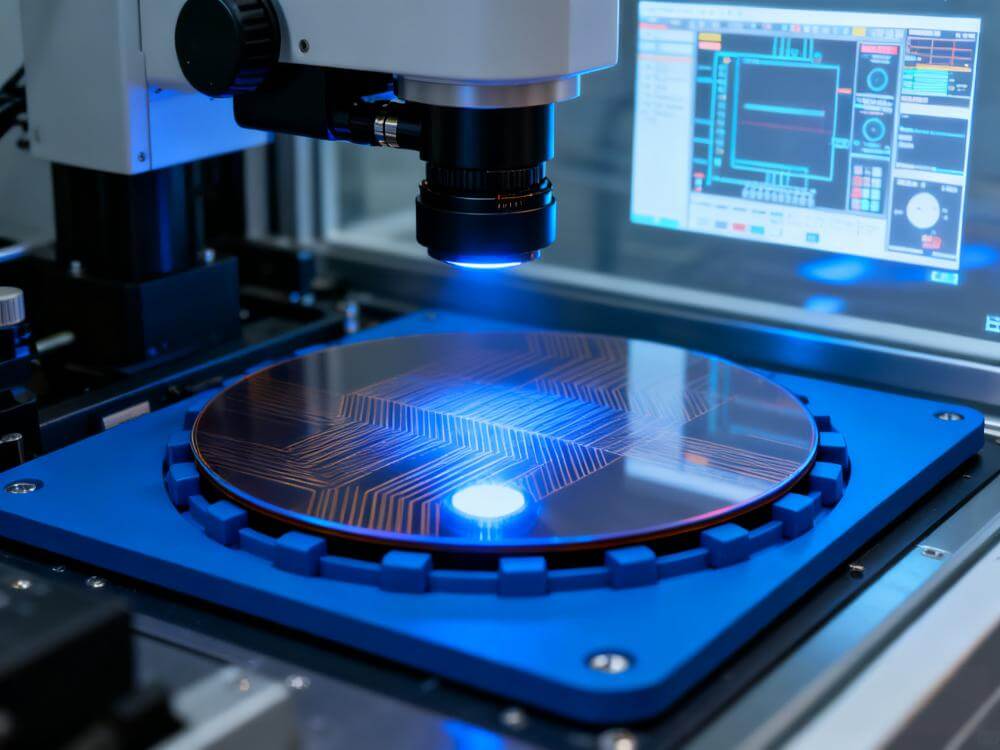
The Fundamental Role of Silicon in Technology
Silicon is the cornerstone of modern technology. It serves as the essential building block for numerous electronic devices, making its role indispensable in the tech industry. From microchips in computers to photovoltaic cells in solar panels, silicon's semiconductor properties make it highly versatile. Its ability to conduct electricity under certain conditions while acting as an insulator under others is precisely what allows silicon to be utilized in various technological applications.
Different Uses of Silicon in Consumer Electronics
Smartphones and Tablets
Smartphones and tablets rely heavily on silicon-based chips for their processing power. The efficiency and speed of these devices are directly tied to silicon components in their CPUs and GPUs. Improved silicon technology translates into faster data processing, better graphics, and enhanced user experiences, directly impacting how consumers interact with their gadgets.
Computers and Laptops
In the realm of computers and laptops, silicon is critical for processing units, memory chips, and even storage devices. Silicon-based components are responsible for computing power, energy efficiency, and overall performance. Whether it’s for gaming, professional work, or general use, the quality of silicon in these devices plays a significant role in their efficiency and effectiveness.
Modern Home Appliances
Modern home appliances, such as smart TVs, refrigerators, and even washing machines, incorporate silicon-based technologies to enhance functionality and efficiency. Microcontrollers, sensors, and display technologies are reliant on silicon to provide intelligent features, making everyday appliances smarter and more user-friendly. This integration has revolutionized home living by adding convenience and connectivity.
Factors Influencing Silicon Prices
Supply Chain Dynamics
The silicon supply chain is intricate, encompassing various stages from extraction to refinement and production. Interruptions at any stage can cause variations in Silicon Prices. Elements such as raw material availability, manufacturing capabilities, and logistical hurdles can all influence the consistent supply and pricing of silicon, ultimately affecting its market availability and cost.
Impact of Global Political and Economic Events
Global political and economic events also significantly influence Silicon Prices. Trade policies, tariffs, and international relations can create volatility in the market. For instance, geopolitical tensions or trade wars can result in increased costs for raw materials or finished products, leading to higher silicon prices. Additionally, economic downturns or booms can either constrain or boost demand, further impacting the pricing dynamic.
Technological Innovations and Demand Changes
Technological advancements continuously alter the demand for silicon. Innovations in electronics and renewable energies, like electric vehicles and solar power, increase the need for high-quality silicon. As new technologies emerge, manufacturers demand more advanced silicon components, which can create a shift in the Silicon Prices. The cyclical nature of tech innovations and consumer demand forms a complex interplay that drives these price changes.
How Silicon Prices Affect Consumers
Cost Implications for Consumer Electronics
Changes in Silicon Prices directly affect the cost of consumer electronics. Higher silicon prices can result in increased production costs for manufacturers, who may pass these costs on to consumers. This impact is evident in the pricing trends of gadgets such as smartphones, laptops, and tablets, where fluctuations in component costs can lead to varying retail prices. Consumers may find themselves paying more for the latest tech or may notice a delay in price drops for older models due to increased production expenses.
Pricing Trends for Popular Gadgets
Due to the variability in Silicon Prices, consumers might notice patterns in gadget costs. When silicon prices surge, devices such as smartphones and laptops generally become pricier. Conversely, a decrease in silicon prices can result in more competitive pricing and possibly cheaper new product releases. Recognizing these trends can assist consumers in making well-informed decisions about the timing of their new device purchases.
Availability and Delays in Product Releases
Fluctuating Silicon Prices can also impact the availability and timely release of new products. High silicon costs or supply shortages can cause delays in the production process, pushing back release dates for new gadgets. For consumers, this means that the latest technology may not be available as quickly as anticipated. On the flip side, lower silicon prices can expedite production and lead to quicker product launches, ensuring technology is more readily available.
In summary, the dynamics of Silicon Prices play a significant role in the tech market and have a direct impact on consumers. Understanding these factors can help individuals and businesses alike navigate the complexities of the technology industry and make more informed decisions.
The Ripple Effect on the Tech Market
Influence on Tech Companies’ Production Costs
The ongoing fluctuation of Silicon Prices significantly impacts the production costs for tech companies. As silicon is a crucial component in myriad devices, any increase in its cost translates directly to higher expenses for manufacturing. These higher production costs can squeeze profit margins for companies and may lead them to increase product prices to maintain profitability. This cost pass-through ultimately affects the end consumer, who may face higher prices for tech products.
Forecasting Company Earnings Based on Silicon Trends
For those involved in investing and market analysis, recognizing trends in Silicon Prices is crucial for predicting the earnings of technology firms. Companies that depend significantly on silicon are affected by its price fluctuations. Analysts frequently use historical data, insights from the supply chain, and geopolitical events to forecast future silicon trends and their effects on a company's financial outcomes. Precisely predicting these trends can be an invaluable resource for making investment choices, aiding stakeholders in foreseeing potential earnings and stock performance.
Impact on Stock Valuations in the Tech Sector
The tech sector’s stock valuations are closely tied to Silicon Prices. A surge in silicon costs can lead to increased production expenses, negatively affecting company profitability and stock prices. Conversely, a downward trend in silicon costs can enhance profit margins, potentially boosting stock valuations. Investors monitor these fluctuations to make informed decisions, as the price of silicon is a critical indicator of a tech company’s future economic health. Hence, rapid changes in Silicon Prices can be a key driver of stock market volatility for tech firms.
Strategies for Managing Price Fluctuations in Silicon
Innovations in Alternative Materials
In response to unpredictable Silicon Prices, many tech companies are investing in the development of alternative materials. These innovations aim to create materials that can potentially substitute silicon in some applications, thereby reducing dependency. For instance, research into materials like graphene and advanced ceramics offers promising avenues for creating efficient semiconductors. These alternatives could mitigate the risks associated with silicon price volatility and ensure more stable production costs over time.
Efforts to Increase Recycling of Electronic Components
Another effective strategy to cope with unstable Silicon Prices involves enhancing the recycling of electronic components. By recovering silicon from discarded devices, companies can lower their reliance on newly sourced silicon. This not only helps in reducing production costs but also supports environmental sustainability. Initiatives to improve recycling infrastructure and processes are increasingly being adopted by tech firms, contributing to more cost-effective and eco-friendly production cycles.
Future Projections for Silicon Prices and Technological Development
Expected Trends in Supply and Demand
Looking ahead, the trends in Silicon Prices will be shaped by the balance between supply and demand. As advancements in renewable energy technologies, electric vehicles, and consumer electronics continue, the demand for high-quality silicon is likely to grow. However, supply factors such as mining capacities, geopolitical stability, and technological improvements in silicon refinement will play crucial roles in meeting this increasing demand. Predictive models suggest that while there will be periods of volatility, the long-term trajectory may see a slight upward trend in silicon prices due to growing technological applications.
Potential Breakthroughs That Could Alter Pricing Dynamics
Potential breakthroughs in material science and production technologies could significantly alter the Silicon Prices landscape. Innovations such as more efficient extraction and processing methods, or the discovery of new semiconductor materials, could ease pressure on the silicon supply chain and stabilize prices. Additionally, the development of robust recycling technologies could provide a steady stream of reclaimed silicon, lessening the overall demand for virgin silicon. Such advancements would not only stabilize pricing dynamics but also pave the way for more sustainable practices in the tech industry.
The future of Silicon Prices and their impact on both the tech market and consumers is complex and multifaceted. Continuous monitoring and adapting to these price shifts remain essential for tech companies and consumers alike to navigate the evolving technological landscape effectively.