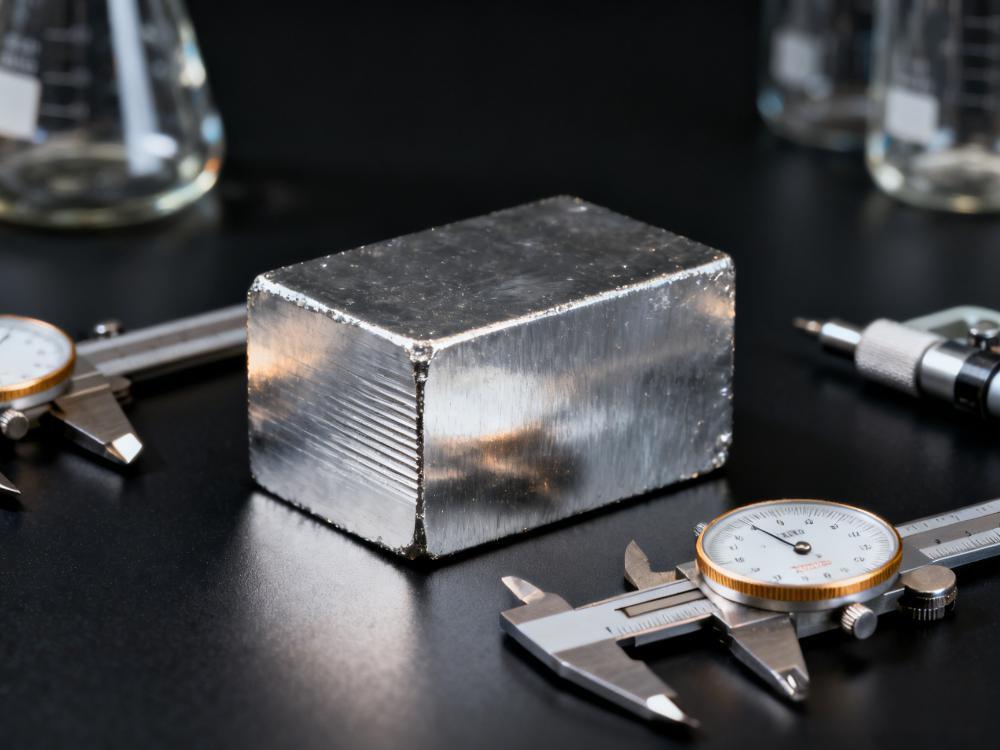
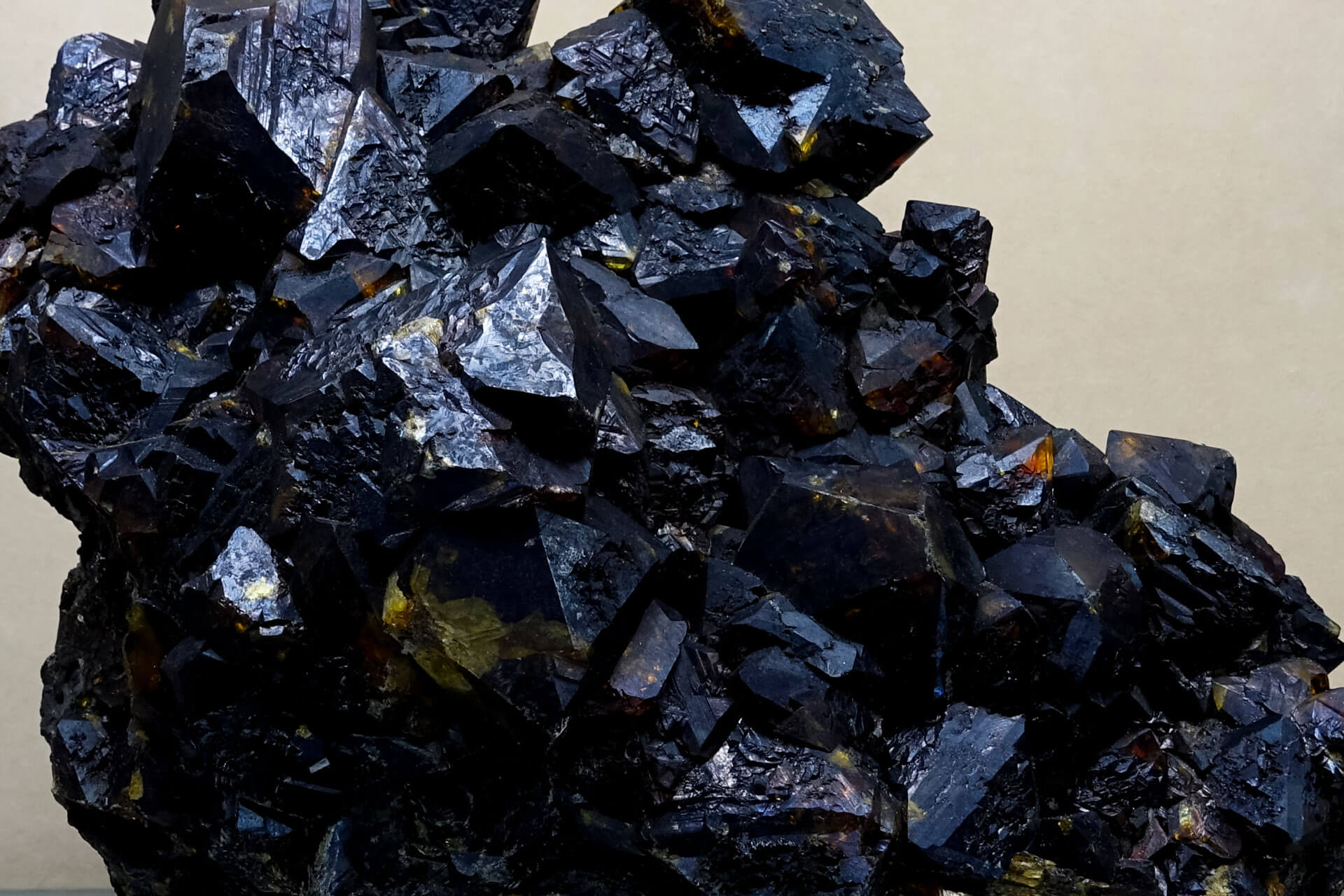
In September 2026, Neo Performance Materials announced that its Narva permanent magnet plant in Estonia had commenced commercial production, with the first batch of sintered NdFeB magnets delivered to EV traction motor clients. The plant was commissioned in September 2025, with Phase 1 capacity of 2,000 mt/year and Phase 2 of approximately 5,000 mt/year in the design stage. The long-term global target is 20,000 mt/year, with dysprosium oxide and terbium oxide secured through the Carester agreement. The significance of this event lies not in "one more 2,000 mt plant," but in the fact that it simultaneously brings to the table the existing base, in-construction growth, and raw material bottlenecks of non-China magnetic material capacity.
I. Existing capacity: Japan, the US, Europe, and South Korea dominate, totaling approximately 13,000–15,000 mt/year
Non-China sintered NdFeB capacity that is already operational or delivered is concentrated among several established players:
Japan/Vietnam:Shin-Etsu Chemical's SMMV in Vietnam has an official capacity of 2,200 mt/year, with combined Japan + Vietnam capacity estimated at approximately 3,400 mt/year; Proterial (formerly Hitachi Metals) NEOMAX system is estimated at 2,500–3,000 mt/year, primarily supplying automotive electric drives, EPS, and compressors; TDK, Daido Electronics, and Aichi Steel possess alloy/hot-deformation/heavy rare earth-free technologies, but their sintered blank tonnage is not separately disclosed.
US:Noveon Magnetics operates a full-spec sintered line in Texas, with planned production of approximately 2,000 mt/year; MP Materials' Fort Worth plant commenced production in 2024 at approximately 1,000 mt/year and is expanding toward 3,000 mt/year; VAC (e-VAC) in Sumter, South Carolina has approximately 2,000 mt/year, expandable to 4,000 mt/year.
Europe (excluding Neo):VAC's Germany/Finland/Slovakia operations serve automotive-grade and industrial clients, with individual blank nameplate capacity often consolidated into "magnet systems"; recycling routes such as France's MagREEsource (50–80 mt/year) and the UK's HyProMag (starting at 25–30 mt/year) provide closed-loop samples but are not primary suppliers of automotive-grade high-performance grades.
South Korea/Southeast Asia: JS Link's Yesan, South Korea facility has approximately 1,000 mt/year and is in the commercial readiness stage; Shin-Etsu Vietnam as noted above.
Summing the above, non-China commercially operational/delivered nominal capacity is approximately 13,000–15,000 mt/year. However, automotive-grade certification, heavy rare earth ratios, and yield ramp-up will make effective output significantly lower than nameplate capacity.
II. In-construction/planned capacity: US pursues scale, Europe fills closed-loop gaps, Asia-Pacific builds peripheral support
1. US: Dual drivers of national defense and EVs
MP Materials' "10X" North Lake project involves investment exceeding $1.25 billion, with a combined target of approximately 10,000 mt/year including Fort Worth, and commissioning planned for 2028; USA Rare Earth Stillwater's official website states Phase 1a at approximately 1,200 mt/year and four lines at nearly 3,600 mt/year (alternatively reported as 600 mt/year for 1a and 4,800–5,000 mt/year long-term); VAC/Sumter is expanding to 4,000 mt/year with a long-term vision of 12,000 mt/year, and Energy Fuels' proposed acquisition of VAC for approximately $1.9 billion has not yet closed; POSCO Intl/ReElement framework targets 3,000→6,000 mt/year.
2. Europe: Closed-loop prioritized over tonnage
Neo Estonia Phase 1B is expanding from 2,000 to 5,000 mt/year; GKN/Powder Metallurgy, after small-scale trials in Germany, has a total Europe-US plan of 4,000 mt/year; HyProMag is replicating from Birmingham to Pforzheim, Germany (starting at 100 mt/year) and DFW in the US (recycling 750 mt/year). Europe's logic is to use CBAM and automotive supply chain regulations to lock in "small tonnage, high value-added, traceable" production.
3. Asia-Pacific ex-China: Australian ore–Malaysian plants–Korean technology
Lynas and JS Link are building a 3,000 mt/year sintered NdFeB plant in Kuantan, Malaysia, with Lynas investing A$50 million and providing exclusive feedstock supply through 2038, targeting production in 2027–2028; JS Link Georgia at 3,000 mt/year, commissioning by the end of 2027; Proterial's Andhra Pradesh, India plan of 1,200 mt/year; India's REPM policy targets 6,000 mt/year, but IREL has only approximately 400 mt/year of NdPr oxide plus approximately 500 mt of inventory, with separation capacity remaining a weak link.
III. Hard constraints behind the capacity numbers
Non-China in-construction primary blank additions total approximately 20,000–25,000 mt/year, with recycling long-term at 2,000–3,000 mt/year and policy-driven 6,000 mt/year yet to materialize. But three factors determine that "nameplate ≠ delivery":
Heavy rare earth separation: Neo's Silmet Dy/Tb line was commissioned in April 2026, Carester's Caremag at Lacq has approximately 1,600 mt/year REO (including recycling and heavy rare earths), MP plans Dy/Tb separation by mid-2026, and Lynas' Malaysia heavy rare earth line—supply remains tight.
Metals/alloys: NdPr metal depends on MP's Mountain Pass–Fort Worth, ASM South Korea, and Lynas Kuantan, with intermediate product yields affecting magnet ramp-up.
Automotive-grade certification: Sample to volume production takes 18–24 months. Neo has already secured projects with three Tier 1 motor manufacturers, while most new entrants have yet to pass this stage.
IV. Conclusion
Neo Estonia's commercial launch is not a turning point for "the West replacing China," but rather a marker of the non-China magnetic material network shifting from dense planning to phased delivery: Japan holds the high end, the US pursues scale, Europe builds closed loops, and South Korea, Australia, and Malaysia provide peripheral support. The truly deliverable non-China sintered NdFeB capacity before 2030 does not depend on who announces another 10,000 mt project, but on—when several heavy rare earth separation lines stably produce Dy/Tb, how many metal plants improve yields, and how many automotive-grade projects complete certification. The furnaces in Estonia have been lit, but the entire network still needs time to tighten.
![[Note: Translate the Chinese styled brackets "【" and "】" into "[" and "]" respectively.]](https://imgqn.smm.cn/usercenter/PVQnj20251217171744.jpg)