Recently, the Shanghai Municipal Development and Reform Commission and the Shanghai Municipal Commission of Economy and Informatization jointly issued the Work Plan for the Construction of Zero-Carbon Parks in Shanghai (SHFG Huanzi [2026] No. 130), making systematic arrangements for the construction of zero-carbon parks in Shanghai. The plan explicitly proposes strengthening the application of industrial by-product hydrogen and green hydrogen, exploring hydrogen-electricity coupling, and deploying hydrogen-based fuel refueling stations in logistics parks, providing policy support for the large-scale application of green hydrogen in park scenarios.
Development goals: Complete a batch of national-level and municipal-level zero-carbon parks by 2030
The plan proposes that, in order to implement the notification requirements of the National Development and Reform Commission (NDRC), the Ministry of Industry and Information Technology, and the National Energy Administration on carrying out zero-carbon park construction, key parks with the necessary conditions should be supported to actively carry out zero-carbon park construction.By 2030, through the pilot application of low-carbon and zero-carbon technologies and innovation in mechanisms and models, a batch of national-level and municipal-level zero-carbon parks will be completed, promoting carbon reduction, efficiency improvement, and green and low-carbon transformation across different types of parks in the city.
Park types include industrial parks, R&D and commercial office parks, and logistics parks. Among them, the annual comprehensive energy consumption of industrial parks during the completion period of zero-carbon park construction should in principle be no less than 50,000 mt of standard coal; the annual comprehensive energy consumption of R&D and commercial office parks should in principle be no less than 30,000 mt of standard coal; and the storage area of logistics parks should in principle be no less than 20,000 m².
Energy consumption structure transformation: Strengthen green hydrogen application and explore hydrogen-electricity coupling
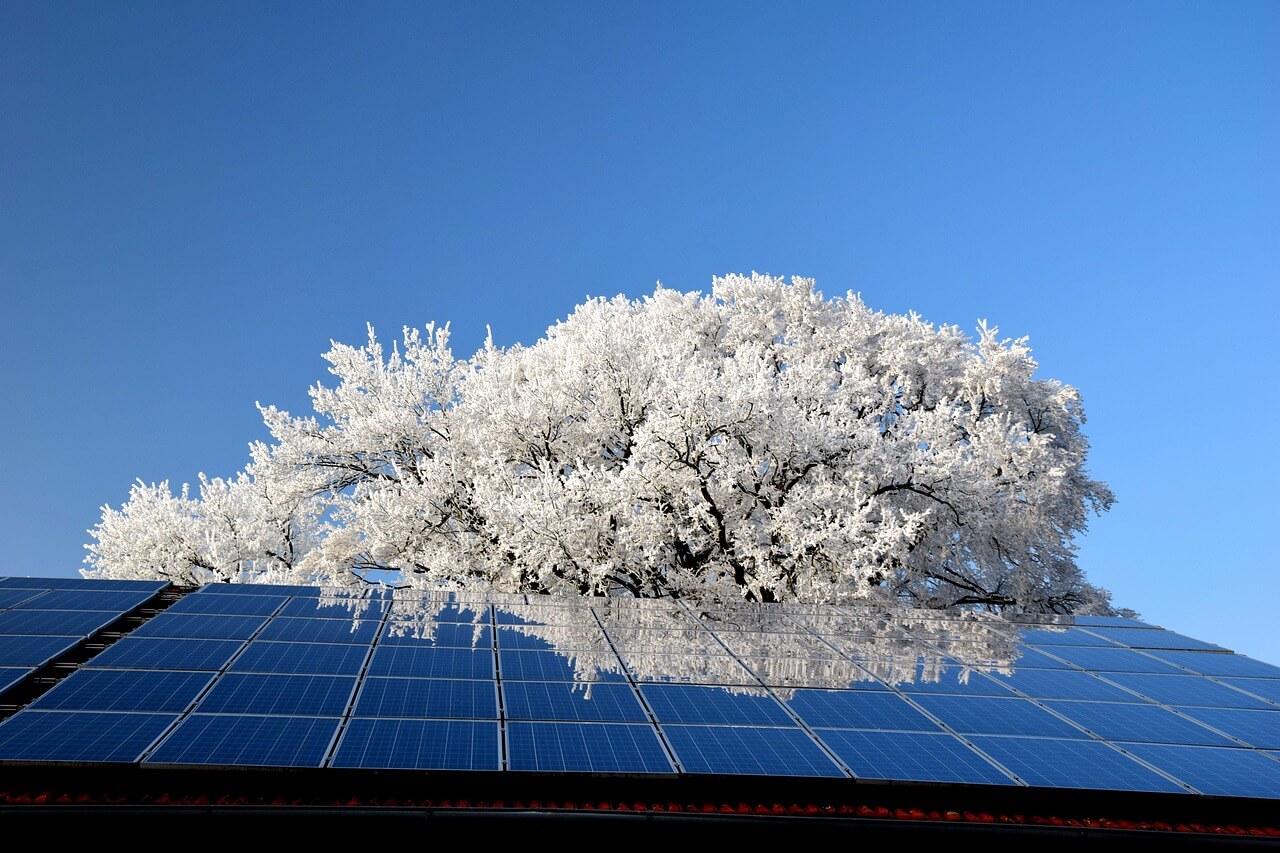
In terms of accelerating the transformation of park energy consumption structures, the plan proposes promoting the construction of distributed PV wherever feasible, exploring the construction of distributed wind power and park microgrids, and advancing the utilization of biomass, solar thermal, geothermal, industrial waste heat, and other resources.It also calls for strengthening the application of industrial by-product hydrogen and green hydrogen and exploring hydrogen-electricity coupling. Energy storage and other regulating resources should be scientifically allocated, and the integrated application of building-integrated PV and wind-solar-storage integration should be promoted.
The plan specifies strengthening matching and coordination with surrounding non-fossil energy power generation resources, and carrying out model innovations such as nearby trading of distributed PV, load curve optimization and green electricity consumption improvement, "one-to-one" and "one-to-many" direct green electricity supply, and concentrated procurement of green electricity and green electricity certificates. It encourages the application of technologies such as "PV + energy storage + low (zero) carbon heating" integrated energy supply, deep integration of "microgrid + smart energy and carbon management system," and virtual power plant construction, to build a zero-carbon energy supply and dispatch system.
Infrastructure upgrades: Deploy hydrogen-based fuel refueling stations in logistics parks
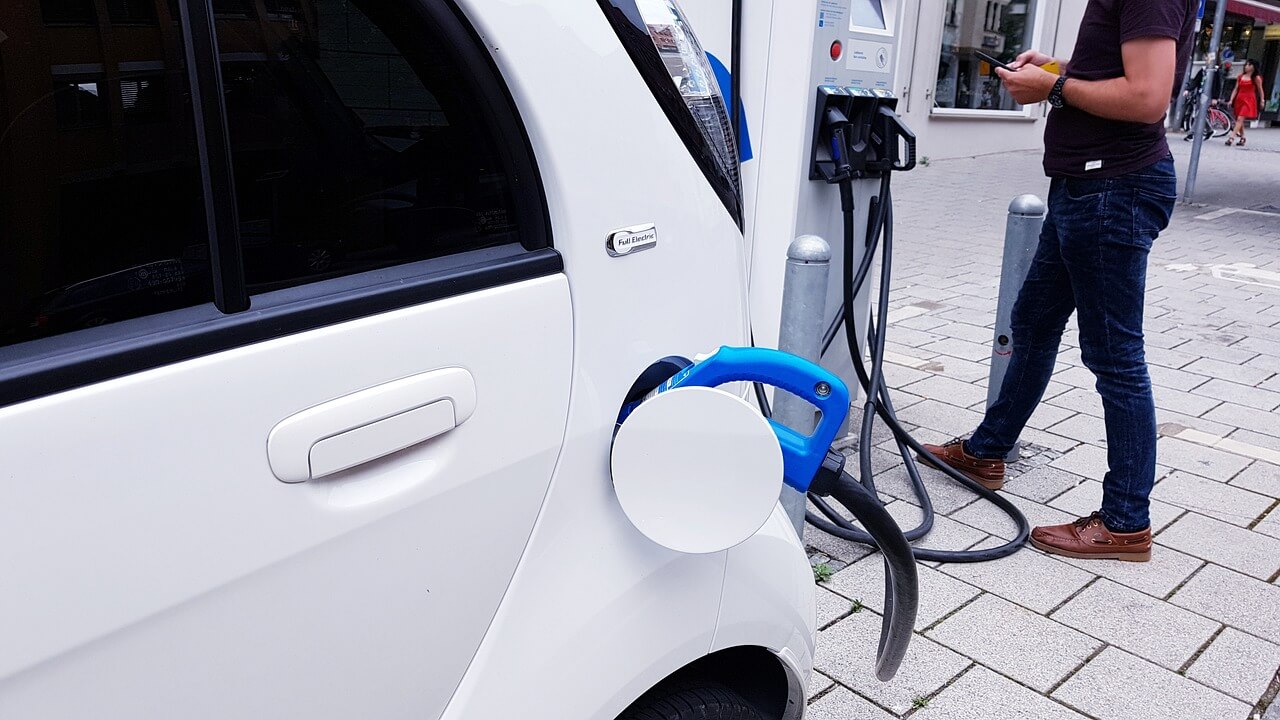
In terms of improving and upgrading park infrastructure, the plan proposes promoting the upgrading and renovation of energy, water supply and drainage, pollution control, and other infrastructure, promoting green building materials and recycled building materials, and carrying out green building evaluation and certification such as green warehouses.In conjunction with key logistics periods, supporting facilities such as supercharging stations, PV+ESS integrated multi-energy complementary battery swapping stations, and hydrogen-based fuel refueling stations should be reasonably deployed within logistics parks and along important logistics trunk lines, increasing the proportion of self-owned new energy logistics vehicles or the entry rate of new energy logistics vehicles, and encouraging the application of vehicle-to-grid interaction technology.
Other implementation pathways and organizational safeguards
The plan also lays out implementation pathways in areas such as deepening energy conservation and carbon reduction in parks, strengthening intensive and circular resource utilization, enhancing green technology innovation and application, and improving park energy and carbon management capabilities. In terms of organizational safeguards, it specifies safeguard measures including coordinated promotion and top-level design, cultivating green and low-carbon industrial clusters, carrying out zero-carbon energy development layout and mechanism innovation, improving the management level of carbon reduction in buildings and infrastructure, accelerating the construction of a zero-carbon standard system, supporting integrated technology application and project construction, and innovating diversified funding support models.
In terms of zero-carbon energy development layout and mechanism innovation, the plan proposes that the Shanghai Municipal Development and Reform Commission coordinate zero-carbon park construction with the city's new energy and transmission and distribution grid planning and layout, organize power grid, power dispatch, and trading entities to build mechanisms conducive to green electricity development, traceability, consumption, and settlement, explore nearby consumption of distributed PV and "green electricity dedicated line + dedicated transformer" direct connection and supply, and build a traceable green and low-carbon energy system suitable for high-density cities.
Work process and indicator system
The plan specifies that the work process includes three stages: organization of application and evaluation-based selection, construction implementation and process tracking, and evaluation and acceptance. The construction period for municipal-level zero-carbon parks is generally 3 to 5 years, and parks should be completed within no more than 5 years. For those meeting the indicator requirements of national-level zero-carbon parks, support will be provided for their application for national-level zero-carbon park acceptance.
The annex to the plan also specifies the basic conditions and indicator system for the construction of zero-carbon parks in Shanghai. The indicator system consists of core indicators, guiding indicators, and characteristic indicators. Among them, the core indicators for industrial parks include carbon emissions per unit of energy consumption ≤0.8 mt/mt of standard coal, clean energy consumption share ≥90%, and rooftop PV coverage rate of available buildings at 100%; the core indicators for logistics parks include carbon emissions per unit of energy consumption ≤0.2 mt/mt of standard coal, rooftop PV coverage rate of available buildings at 100%, and the proportion of new energy logistics vehicles in the total logistics vehicle fleet (for self-use logistics parks) ≥70%.
The issuance of this plan provides an action framework for the construction of zero-carbon parks in Shanghai. The clarification of arrangements for green hydrogen application, hydrogen-electricity coupling, and hydrogen-based fuel refueling stations will expand the space for the large-scale application of green hydrogen in scenarios such as industrial parks and logistics parks, supporting the green and low-carbon transformation of parks in Shanghai and the development of the hydrogen energy industry.
![[SMM Hydrogen Policy Express] Ningxia issues the "15th Five-Year" plan for building a Beautiful Ningxia, specifying the launch of a regional hydrogen energy pilot in the energy sector of Ningdong](https://imgqn.smm.cn/usercenter/gcOsy20251217171726.jpg)
![[SMM Hydrogen Policy Alert] Nine Departments Issue the Intelligent Connected NEV "15th Five-Year" Plan, Clarifying the Direction for Coordinated Development of Hydrogen Heavy-Duty Trucks and Green Hydrogen](https://imgqn.smm.cn/usercenter/ipFFo20251217171725.jpg)