Guangxi Investment Group Industry Chain Service Group Co., Ltd. meets you at the 2026 SMM (3rd) South China Non-Ferrous Metals Annual Conference.

Published: Aug 20, 2026 15:37

As the global green transition and the "dual carbon" goals advance, the non-ferrous metals industry accelerates its low-carbon, intelligent, and high-end upgrade. South China, as a core industrial cluster, boasts a complete industry chain, prominent resource endowments, and strong policy support, driving robust development momentum.

The , hosted by SMM, is scheduled to take place from September 9 to 11 in Nanning, Guangxi. Centered on five key themes—price trends, market outlook, trade environment, policy direction, and low-carbon technologies—the conference aims to build a high-end platform for industry exchange and cooperation.

Guangxi Investment Group Industry Chain Service Group Co., Ltd., as a participating enterprise, invites industry peers to gather in Nanning to jointly embrace the event, promote technological innovation and digital intelligent transformation, and help enterprises seize opportunities and overcome challenges, thereby fostering high-quality development of the non-ferrous metals industry.

Click the to register now!

Guangxi Investment Group Industry Chain Service Group Co., Ltd. (hereinafter referred to as the Company), is a professional operation enterprise under Guangxi Investment Group Co., Ltd. (hereinafter referred to as Guangxi Investment Group), Guangxi's first Fortune Global 500 company, responsible for industry chain and supply chain services. With a registered capital of 5 billion yuan and an AA+ credit rating, the Company strives to become a leading comprehensive industry chain service provider based in Guangxi, serving the whole country and radiating to the ASEAN region.
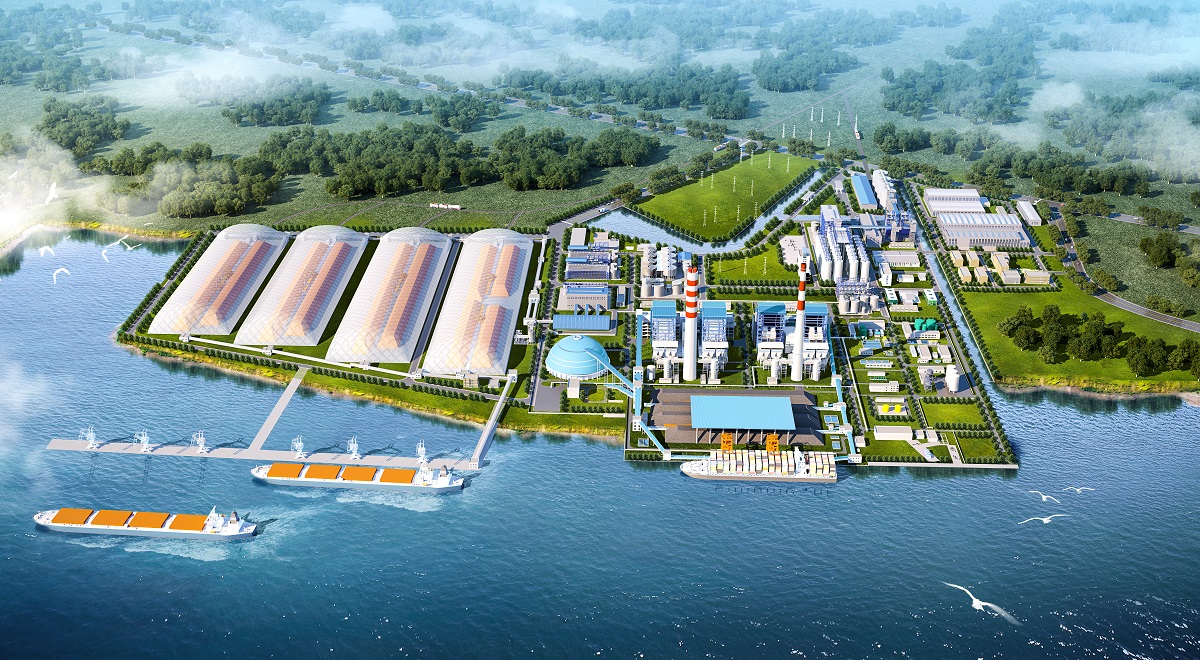
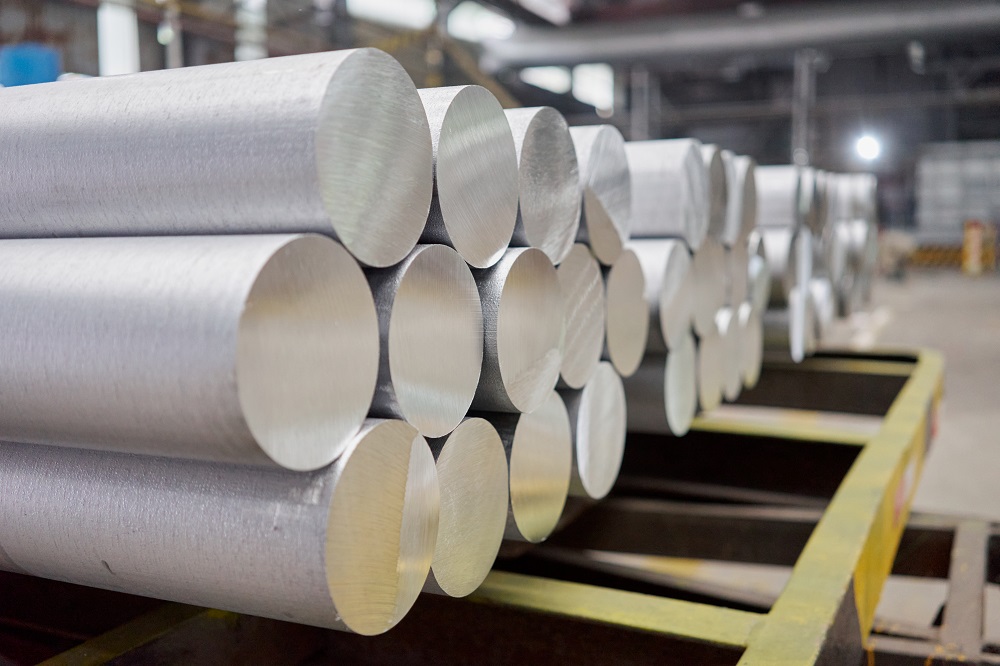
Leveraging the industrial and financial strengths of Guangxi Investment Group, and relying on its alumina equity capacity of 6.4 million mt, aluminum capacity of 700,000 mt, aluminum processing capacity of 2.25 million mt, as well as a multi-tiered, full-license comprehensive financial service system centered on banking, securities, and insurance, the Company practices industrialized services and market-oriented operations. It provides bulk commodity supply and full industry chain services—including bauxite, alumina, aluminum, aluminum ingots, aluminum billets, secondary aluminum, copper, zinc, and steel—to entities within and outside the region.
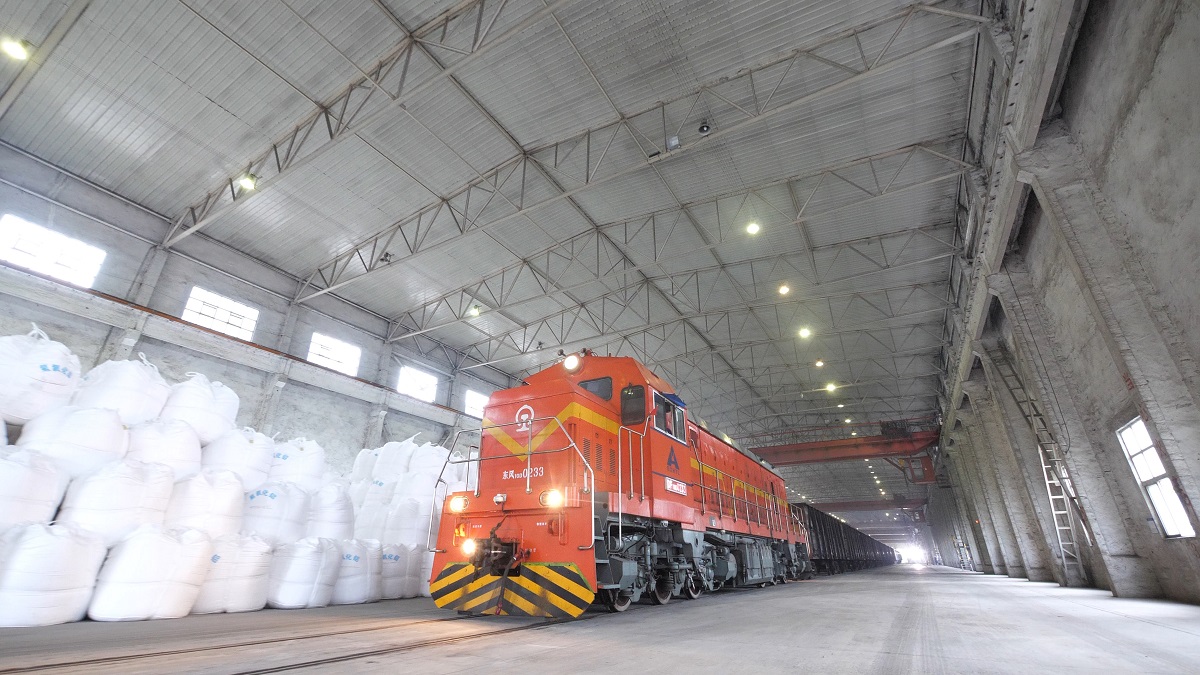
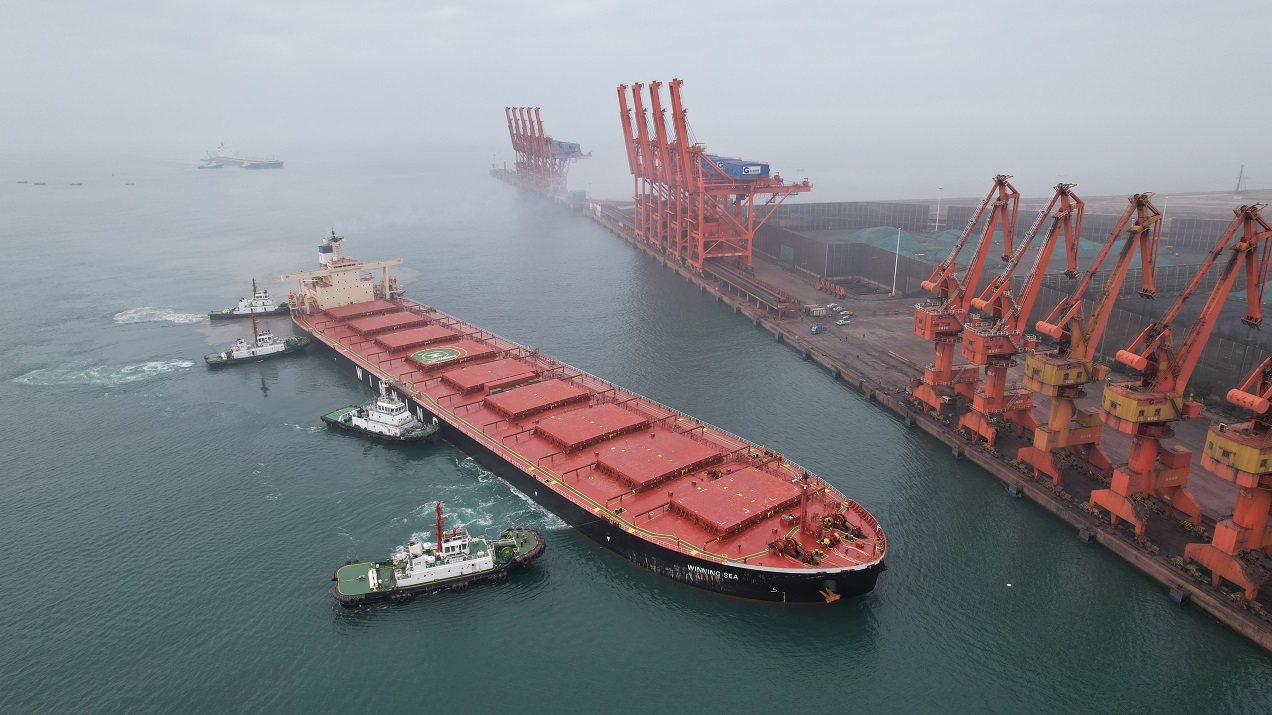
The Company vigorously promotes international business cooperation in bauxite and rubber in countries such as Guinea, Vietnam, Singapore, and Malaysia, serving over 3,000 clients. It has been included in the Shanghai Futures Exchange's "Strengthening Sources and Helping Enterprises" production-finance service base (industry category), and its subsidiaries have received honors such as "Nanning Service Industry Leader" and "National High-Quality Aluminum Supplier."

Subsidiaries:

Guangxi Haiyi Trading Co., Ltd.

Guangxi Haijun Supply Chain Management Co., Ltd.

Shanghai Lever International Trading Co., Ltd.

Hainan Guangtou Haiyi International Supply Chain Services Co., Ltd.

Guangxi Haihong Supply Chain Management Co., Ltd.
Contact Information

Tel: 0771-5895005

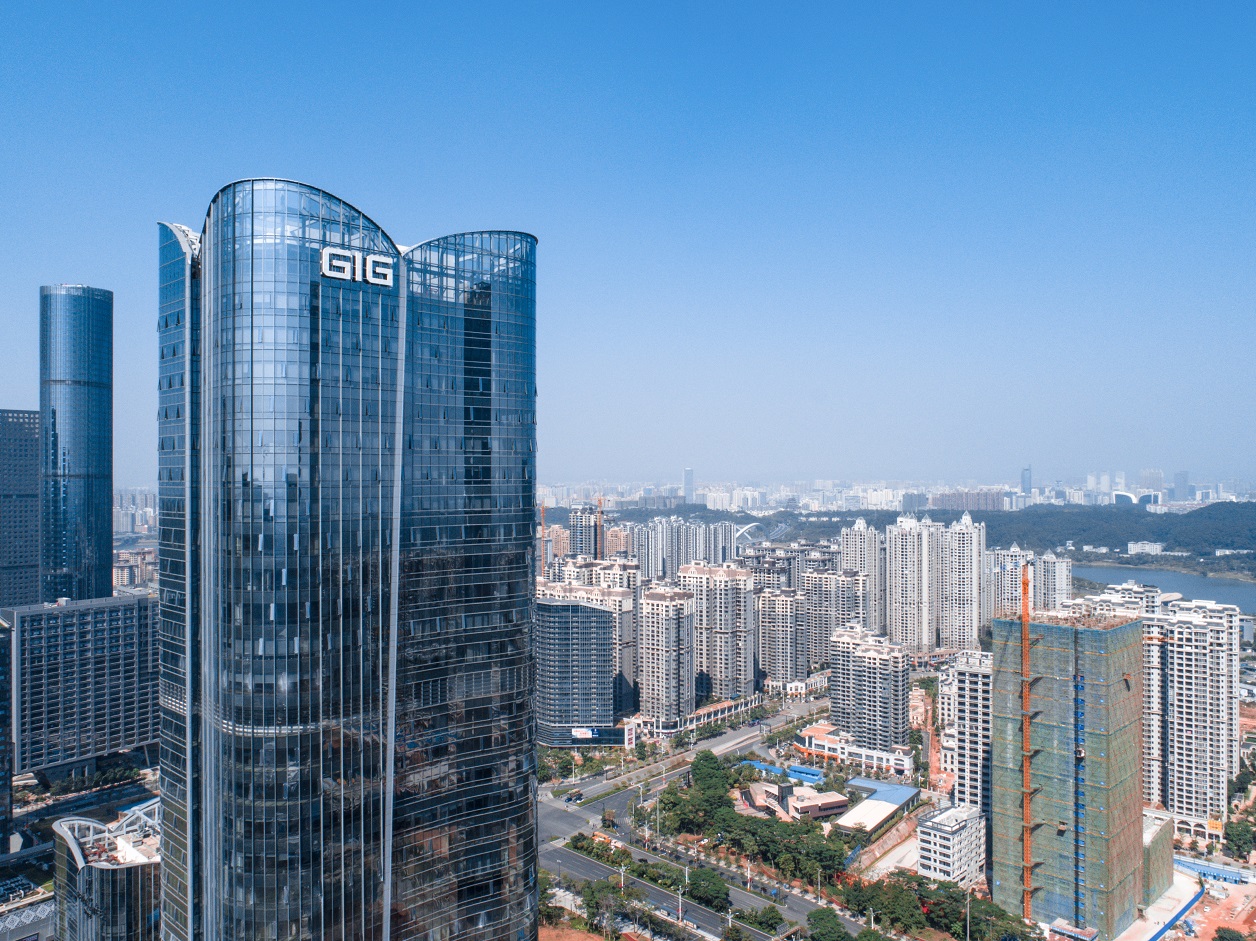
Address: GIG International Financial Capital Center, No. 6 Feiyun Road, Liangqing District, Nanning, Guangxi


SMM Conference Contact Person

Ding Weiquan

18029344837

Data Source Statement: Except for publicly available information, all other data are processed by SMM based on publicly available information, market communication, and relying on SMM's internal database model. They are for reference only and do not constitute decision-making recommendations.

Images in this article contain AI-translated captions for reference only.

For any inquiries or for more information, please contact: lemonzhao@smm.cn
For more information on how to access our research reports, please contact:service.en@smm.cn
Related News
Data: SHFE, DCE market movement (Aug 20)
20 mins ago
Data: SHFE, DCE market movement (Aug 20)
Read More
Data: SHFE, DCE market movement (Aug 20)
The following table shows the ferrous and nonferrous metals movement on the SHFE and DCE on 20 Aug , 2026
20 mins ago
Copper prices stabilize combined with low inventory, spot premiums clearly rise from yesterday [SMM South China spot copper]
32 mins ago
Copper prices stabilize combined with low inventory, spot premiums clearly rise from yesterday [SMM South China spot copper]
Read More
Copper prices stabilize combined with low inventory, spot premiums clearly rise from yesterday [SMM South China spot copper]
32 mins ago
Chile Rolls Out Mining Policy Package to Target 6 Million Tonnes of Annual Copper Output
1 hour ago
Chile Rolls Out Mining Policy Package to Target 6 Million Tonnes of Annual Copper Output
Read More
Chile Rolls Out Mining Policy Package to Target 6 Million Tonnes of Annual Copper Output
Chile has introduced a new package of mining-policy measures aimed at accelerating investment, shortening project-development timelines and lifting national copper production toward 6 million tonnes per year, as the world’s largest copper-producing country attempts to reverse a prolonged period of weak output growth. The policy push comes at a time when Chile’s mine supply has struggled to regain previous highs, with national production remaining around the 5–5.5 million tonne range in recent years despite strong copper prices and a substantial portfolio of brownfield expansions and undeveloped deposits. The gap between current production and the 6-million-tonne target therefore implies that Chile must unlock several hundred thousand tonnes of additional annual supply through a combination of higher output from existing operations and faster development of new projects.​ A central component of the package is regulatory reform. The government is advancing the Framework Law on Sectoral Authorisations, which is intended to reduce processing times for project approvals by between 30% and 70%. This is particularly significant for copper because large-scale mining projects in Chile can require numerous sectoral permits before construction begins, meaning lengthy approval processes can delay the conversion of mineral resources into actual mine supply. Reducing permitting timelines would not immediately increase copper production, but it could shorten the period between investment decisions, construction and first output, improving the medium-term visibility of Chile’s project pipeline.​ The government is also seeking to improve the broader investment environment through tax and regulatory measures. Plans include gradually reducing the corporate tax rate from 27% to 23% and restoring tax-stability arrangements of up to 25 years for strategic projects. For capital-intensive copper developments, where investment can run into several billion dollars and project lives often extend for decades, greater fiscal certainty can materially affect expected returns and financing decisions. The measures therefore appear designed not simply to increase exploration spending, but to improve the probability that large projects progress from feasibility into construction.​ Exploration is another important part of the strategy. Chile has established a public-private technical working group focused on improving access to financing for junior miners, strengthening venture-capital participation and reducing regulatory barriers to greenfield exploration. This matters because much of Chile’s current copper production comes from mature deposits, while sustaining long-term output will increasingly require new discoveries and the development of deeper or lower-grade resources. Without a stronger exploration pipeline, policy reforms aimed only at existing operations would risk improving near-term output while leaving the longer-term supply base relatively constrained.​ The 6-million-tonne target is significant in global terms. An increase from around 5.5 million tonnes to 6 million tonnes would represent roughly 500,000 tonnes of additional annual mined copper supply, equivalent to the output of a large world-class copper operation. Given Chile’s scale in the global market, even a partial recovery toward that level could materially affect concentrate availability and the broader mine-supply balance, particularly at a time when several major producing regions are facing declining grades, infrastructure constraints and longer project-development cycles.​ From a copper-market perspective, the policy package is therefore less about an immediate increase in supply and more about improving Chile’s ability to convert its large resource base into new production. The key question will be execution: whether shorter permitting times, stronger fiscal certainty and improved exploration financing can translate into final investment decisions, construction activity and ultimately additional copper tonnes. If implemented effectively, the reforms could strengthen Chile’s medium-term production outlook; if approvals and project execution remain slow, the 6-million-tonne objective may continue to prove difficult despite favorable copper prices and strong underlying demand.
1 hour ago