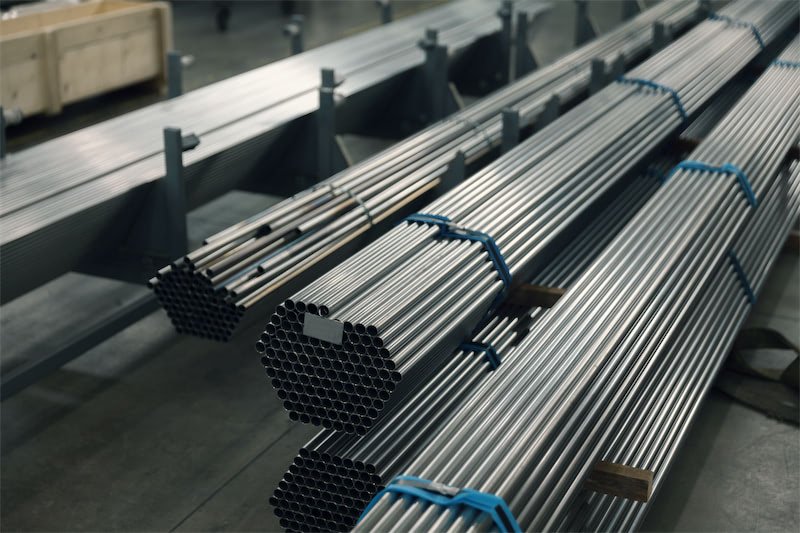
During the survey period (July 28 - August 3), the operating rate of rolling lines at mills in the region remained unchanged, but the capacity utilization rate declined. Specifically, the changes were mainly concentrated in Hubei and Henan. Mills in Henan, facing high shipment pressure, chose to reduce production, while Hubei mills, driven by profitability, switched to producing higher-margin products. As a result, overall supply declined somewhat.
On the inventory front, mill inventories saw a slight increase this period, mainly because agents showed low willingness to purchase amid futures in the doldrums.
For the next period, mills have no plans to change production, and rebar supply is expected to remain stable.
During the survey period (July 28 - August 3), both the wire rod operating rate and capacity utilization rate in Central China declined.
Specifically, some blast furnace steel mills in Hubei and Hunan reduced rebar production and switched to more profitable product types; in Henan, profit margins at some EAF steel mills narrowed, which led to shorter operating hours and a consequent drop in production. On the inventory side, mill inventories shifted from an increase to a decrease this period, mainly due to a significant reduction in local wire rod output.
Wire rod supply next period is expected to continue declining, mainly because some steel mills in Henan face shipment difficulties and have expectations of reduced production, causing the rolling line capacity utilization rate to decrease.

![[Turkey's steel exports up 2.5% yoy in 1H2026, with June surging 28.4%]](https://imgqn.smm.cn/usercenter/Zznfn20251217171716.jpg)