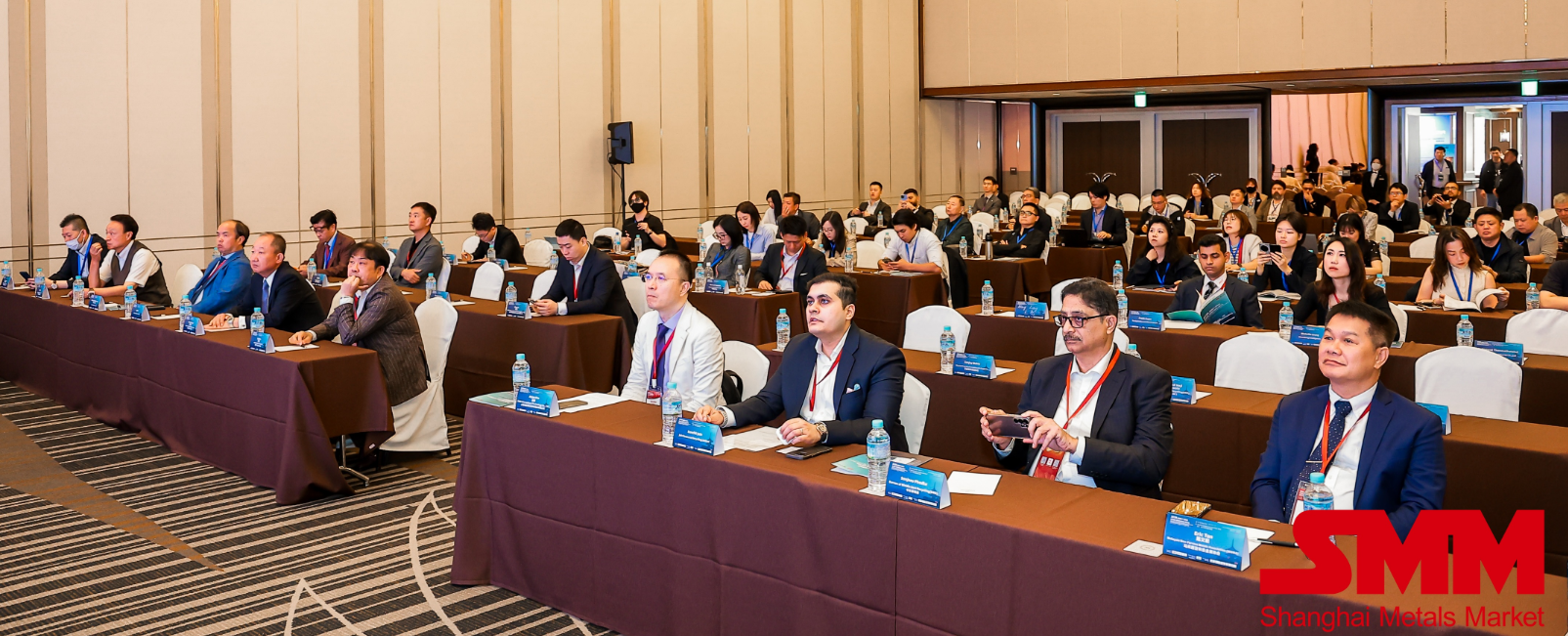
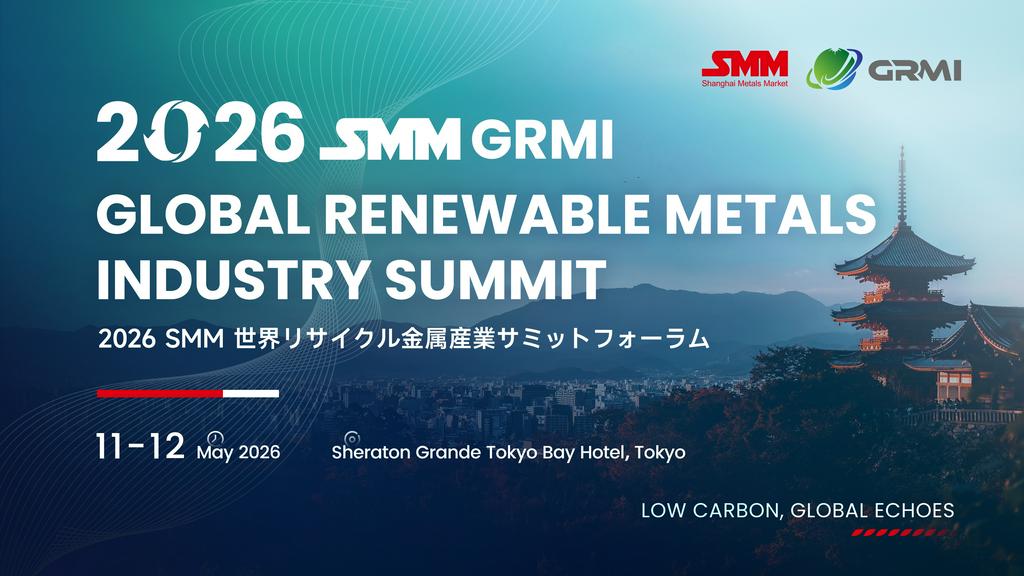
On May 12, the 2026 SMM (3rd) Global Renewable Metal Industry Chain Summit & Battery Recycling Forum , organized by Shanghai Metals Market (SMM), drew to a successful close at the Sheraton Grande Tokyo Bay Hotel in Tokyo, Japan!
Conference Background
Driven by global sustainable development and circular economy initiatives, recycled metals and battery recycling have gained growing strategic importance. Facing rising metal demand and dwindling natural resources, recycling stands out as an eco-friendly and cost-effective alternative, backed by supportive policies and investment worldwide.
As a major Asian recycling powerhouse, Japan boasts robust secondary metal output and sophisticated recycling technologies. It has also rolled out massive funding plans to expand e-waste recycling infrastructure and scale up relevant processing capacity.
Centered on the theme "Low Carbon, Global Echoes", the 2026 GRMI gathered worldwide enterprises, experts and officials to exchange insights on circular economy trends, technological breakthroughs and industry policies.
This event comprises three forums ( Main Forum, Recycling Forum, and Renewable Resources Equipment Forum) and multiple panel sessions.
Key Highlights
- Reshaping the Global Recycled Metal Market — Policy Drivers and New Hotspots in India, Pakistan, the Middle East & Japan
- Shifting Dynamics in Southeast Asia's Recycled Metals: The Malaysia-Thailand Trade Decline and Vietnam's Rising Recycling Economy
- Resource Contention in the Secondary Lead Market: Redefining the Global Supply Chain
- Interpreting Recycled Copper Policies in China, the US, Europe, and Japan and Strategies for Future Raw Material Competition
- Innovation Drives Green Recycling: the Technological Frontier of China's Flotation, Crushing and Sorting Equipment
- Breaking Through the Challenges of the Recycling Industry: Real-World Case Studies from High-Quality Suppliers
Main Forum
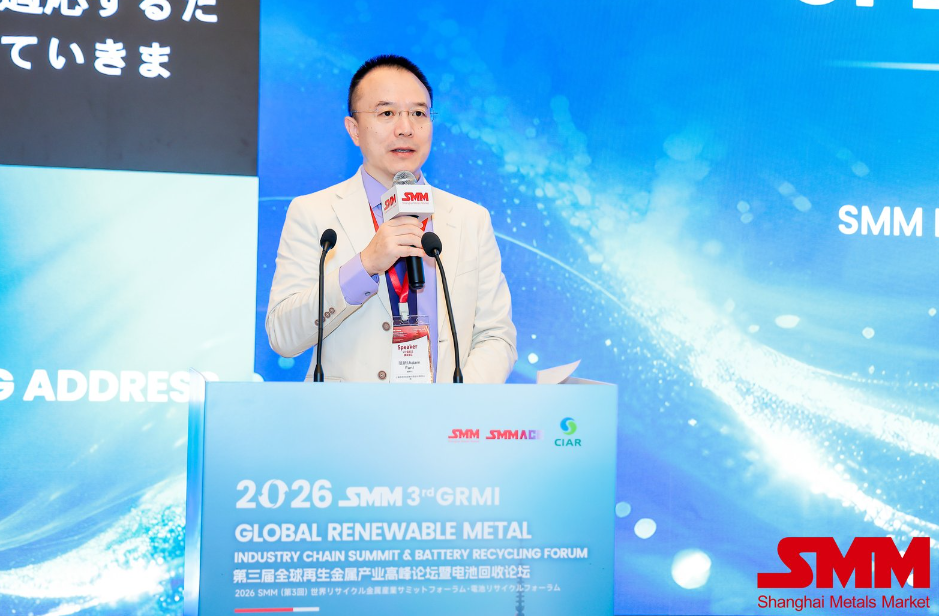
Opening Remarks
Adam Fan, Chairman, SMM
Hao Qi
Chairman, KINKI SANGYO CO.LTD.
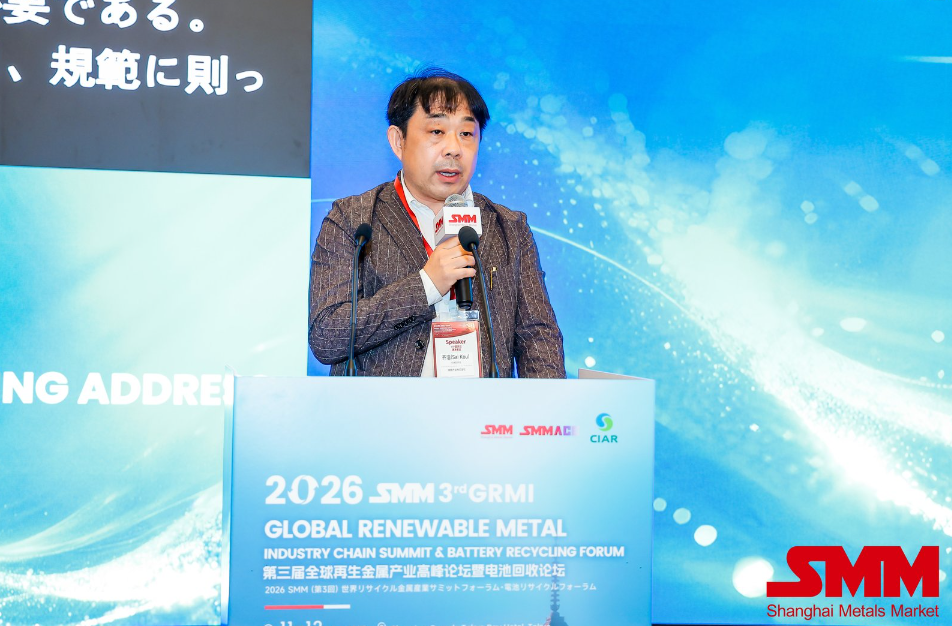
May 11 Main Forum
Keynote Speeches
[Keynote Speech] - Global Recycled Metals Industry Market Analysis: Policy Instruments, Corporate Responses, and Future Challenges
Speaker: Rock Ding, Consulting Project Manager, SMM
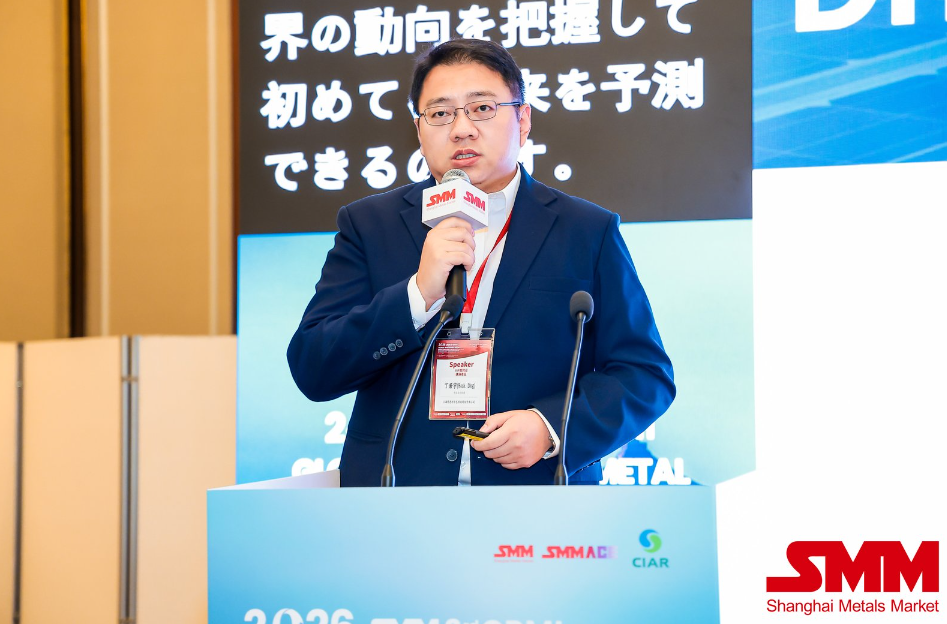
Rock expects that aluminum scrap production will continue to grow in the future, and global aluminum scrap supply and demand will maintain a tight balance before 2030. Regarding the copper scrap market, SMM expects that from 2026 to 2030, global copper scrap market supply and demand will continue to grow, and the market will remain in a state of persistently tight supply. The global recycling industry faces challenges including shortages of recycled raw materials supply, rising resource protectionism, cross-border logistics and transportation restrictions, lack of unified global governance, bottlenecks in recycling technology, and incomplete recycling system development.
[Keynote Speech] - From India to the World: Sustainable Growth and Responsibility of a Leading Recycler
Speaker: Sanchit Jain, Executive Director, Jain Resource Recycling Limited
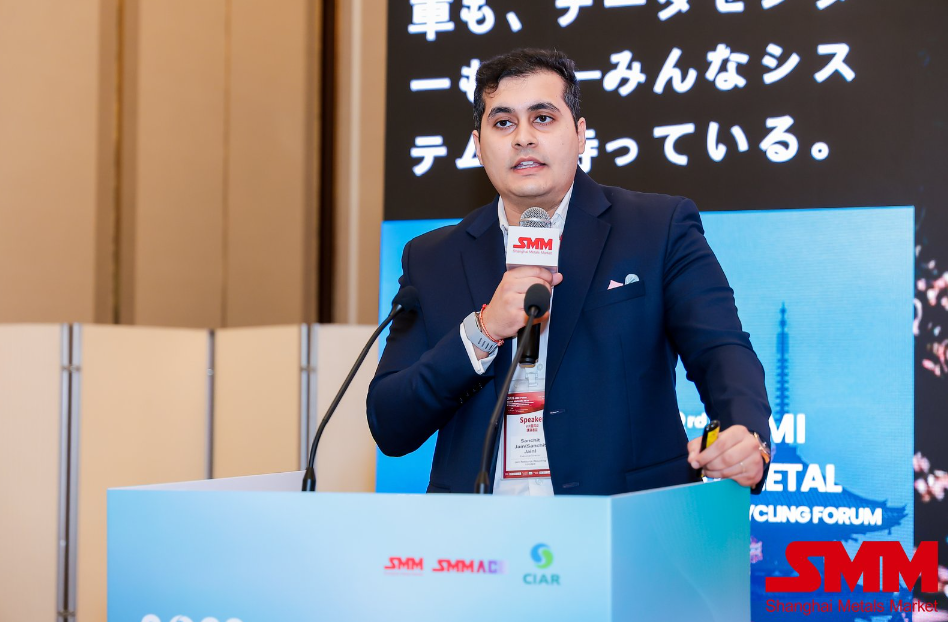
Developed markets (North America, Europe) generate over 70% of the world's scrap; North America has a recycling input rate of 57%, and Europe's aluminum recycling rate reaches 81% — yet their demand growth has slowed down, with scrap becoming a surplus resource exported abroad;
Developing countries are where demand is surging — yet collection rates remain below 5%, dominated by informal operators lacking traceability;
Globally, policies and market initiatives promoting traceability of recycled resources and ESG disclosure are accelerating at an increasing pace.
Scrap generation and consumption exhibit a regional mismatch, with the resource gap formed by supply-demand misalignment increasingly demonstrating strategic significance;
Scrap is no longer simply surplus off-cuts, but a core strategic resource reshaping the global recycled resource trade landscape.
Recycling Has Become a Core Pillar for Industrial Incremental Growth
Why Does the Recycling Industry Hold Critical Strategic Value Today?
Secondary resource supply can cover over 40% of future incremental metal demand; reducing dependence on highly volatile primary ore resources.
Recycling is the optimal viable pathway for the industry to achieve sustainable and scalable development.
[Keynote Speech] - URBAN MINING India's Non-Ferrous Recycling Decade Opportunities & Challenges from a Smelter's Perspective
speaker: Pratik Gupta, Assistant Vice President - Operations, Pondy Oxides and Chemicals Ltd
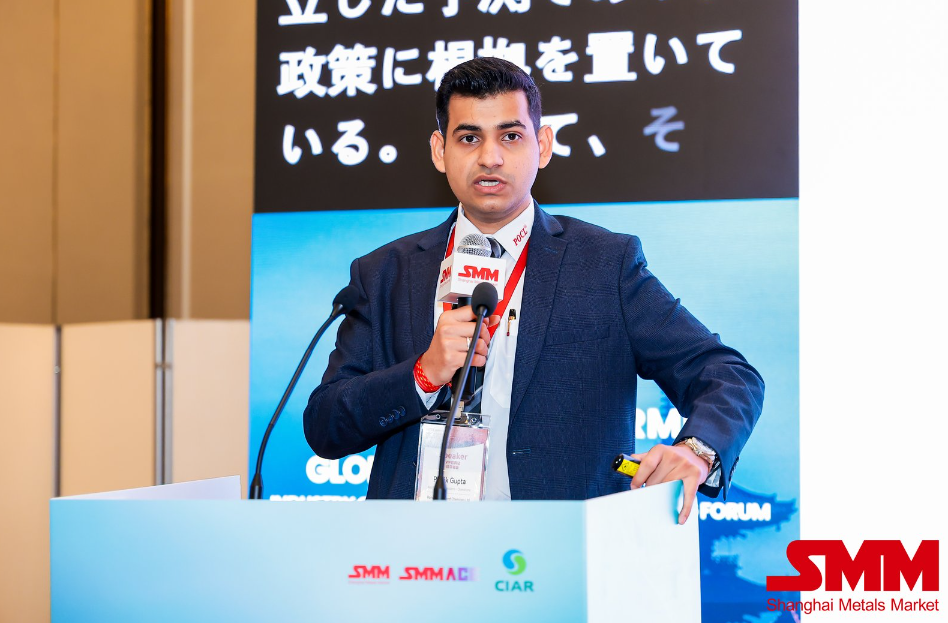
Four Core Drivers in Resonance, Continuously Driving Steady Expansion of India's Non-Ferrous Metal Demand
1. Energy Transition Acceleration
India has set a clear target of achieving 500GW of non-fossil energy installed capacity by 2030. Power grid expansion, power transmission line construction, and renewable energy integration infrastructure are advancing comprehensively—all of which are high-consumption areas for copper and aluminum, directly boosting rigid demand for both metals.
2. Accelerating EV Penetration
India has set a development target of 30% new energy vehicle penetration rate by 2030. A single EV uses approximately 3–4 times the amount of copper compared to traditional internal combustion engine vehicles. Meanwhile, the development of the power battery industry will give rise to an independent scrap recycling system, further opening up incremental space for non-ferrous metals.
3. Large-Scale Infrastructure Investment Implementation
Leveraging the 11.1 billion rupee National Infrastructure Pipeline plan, projects including galvanized steel, power infrastructure, and urban rail transit will continue to be implemented over the next decade, providing sustained long-term support for zinc, copper, and aluminum market demand.
4. Manufacturing PLI Policy Empowerment
India's Production Linked Incentive (PLI) scheme covers 14 key industries, focusing on metal-intensive sectors such as electronics, automotive, power battery, and capital goods. With policy support, the share of domestic manufacturing continues to rise, driving steady growth in non-ferrous metal consumption.
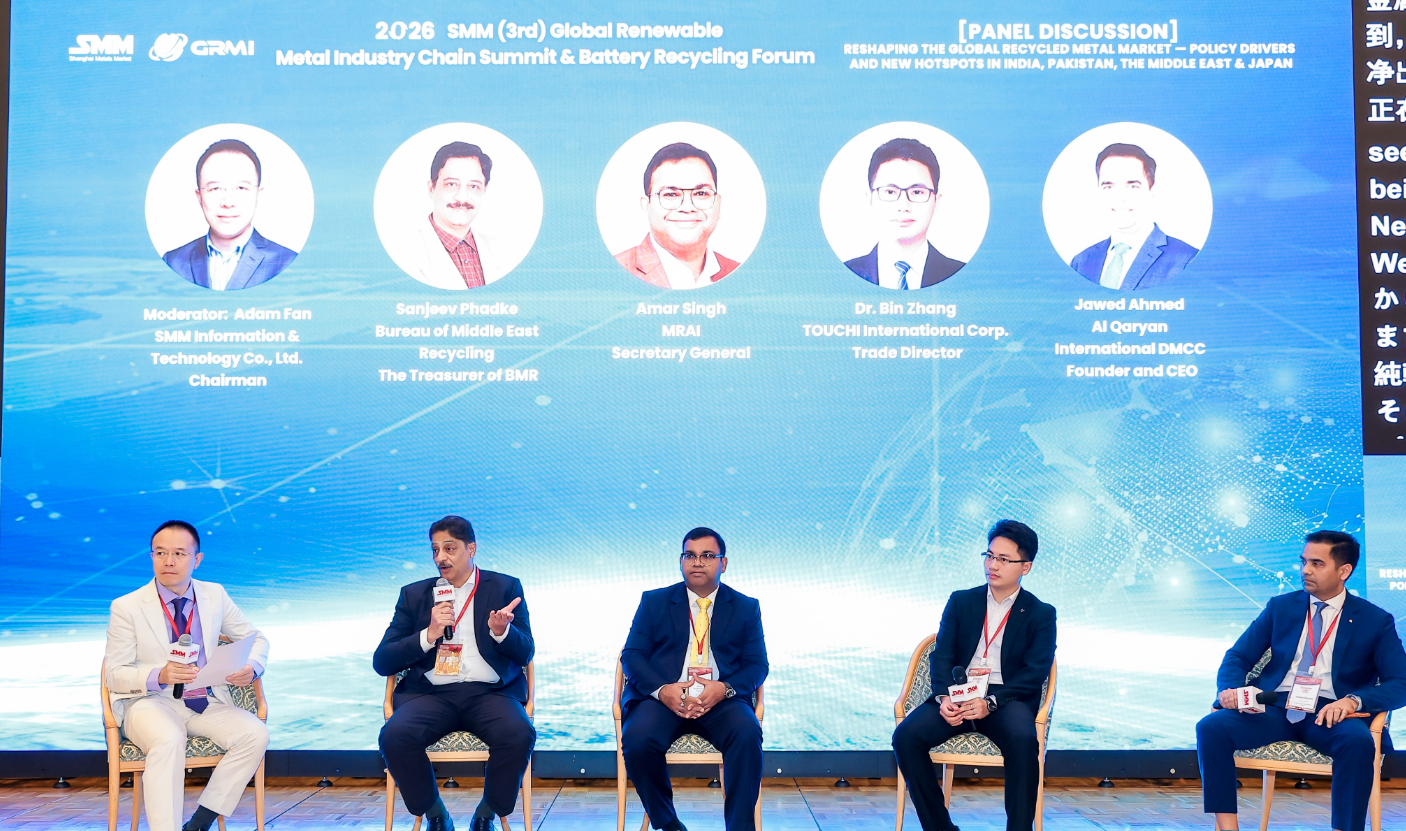
Panel Discussion:
Reshaping the Global Recycled Metal Market — Policy Drivers and New Hotspots in India, Pakistan, the Middle East & Japan
Moderator: Adam Fan, Chairman, SMM
Panelists:
Sanjeev Phadke, The Treasurer of BMR, Bureau of Middle East Recycling (BMR)
Amar Singh, Secretary General, Material Recycling Association of India (MRAI)
Bin Zhang, Trade Director, TOUCHI INTERNATIONAL CORP.
Jawed Ahmed, Founder and CEO, Al Qaryan International DMCC
Recycling Forum
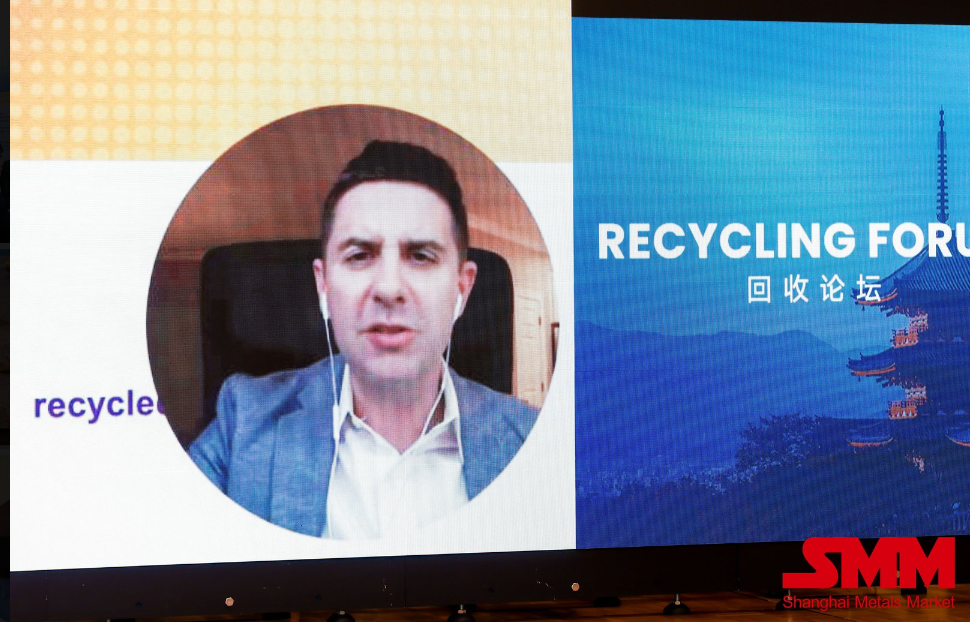
Ketnoye Speech: Key Issues and Challenges Affecting the US Secondary Metals Industry
Speaker: Adam Shaffer, Vice President of International Trade and Global Affairs, REMA
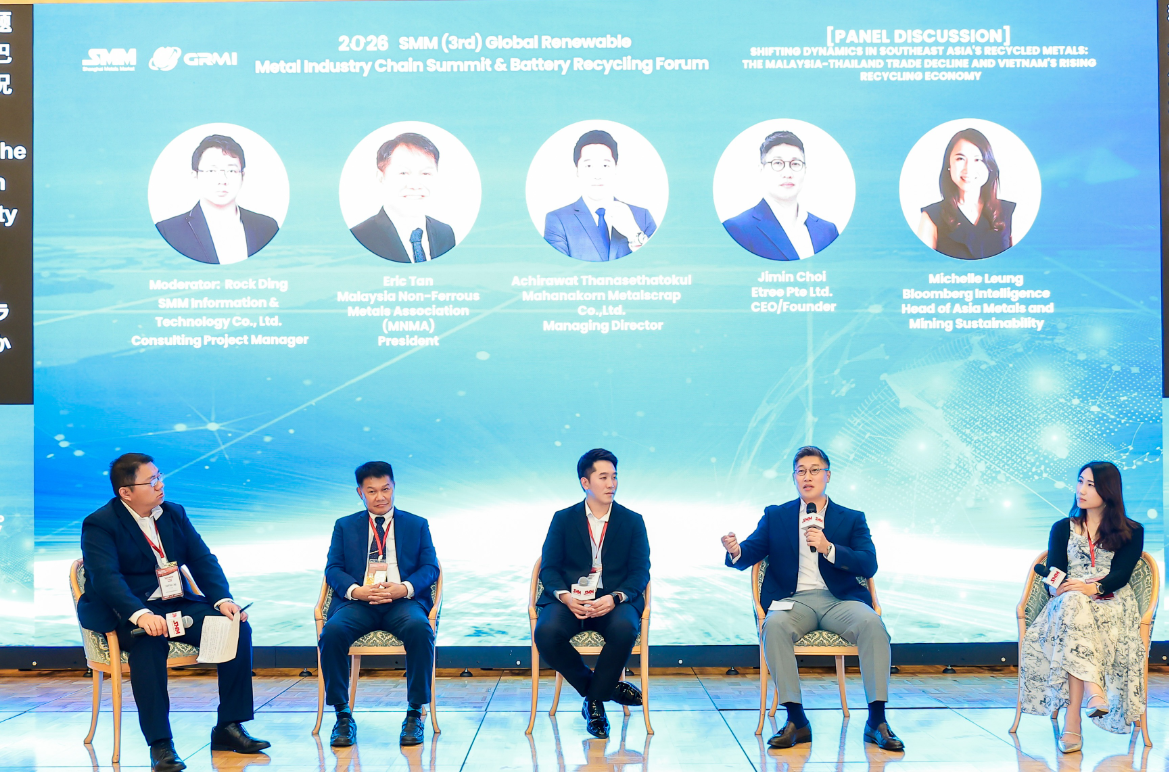
Panel Discussion
Shifting Dynamics in Southeast Asia's Recycled Metals: The Malaysia-Thailand Trade Decline and Vietnam's Rising Recycling Economy
Moderator:
Rock Ding, Consulting Project Manager, SMM
Panelists:
Eric Tan, President, Malaysia Nonferrous Metals Association
Achirawat Thanasethatokul, Managing Director, Mahanakorn Metalscrap Co., Ltd.
Jimin Choi, CEO/Founder, ETREE PTE LTD
Michelle Leung, Head of Asia Metals and Mining Sustainability, Bloomberg Intelligence
[Keynote Speech] - Analysis of Japan's Recycled Copper Market
Speaker: AW YONG YI CHEONG, Senior Secondary Copper Analyst, SMM
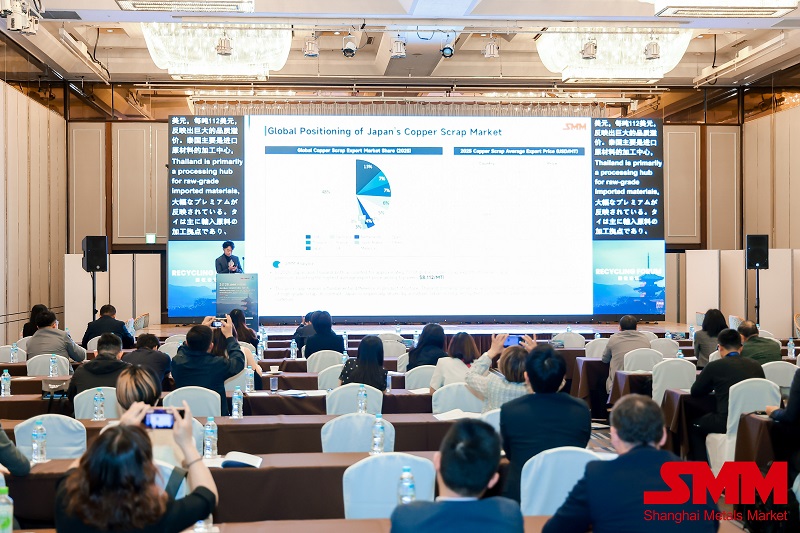
AW YONG YI CHEONG noted that the current Japanese copper scrap market is gradually transitioning toward a highly competitive "seller ecosystem." Trading models that rely solely on spot cargo procurement are increasingly exposed to the risk of supply disruptions. To secure long-term resource supply, enterprises purchasing externally from outside China need to move beyond traditional spot trading mindsets and establish structural cooperative relationships through deep-binding approaches such as signing long-term contracts and equity partnerships, in order to adapt to the persistently tight market landscape.
Panel Discussion
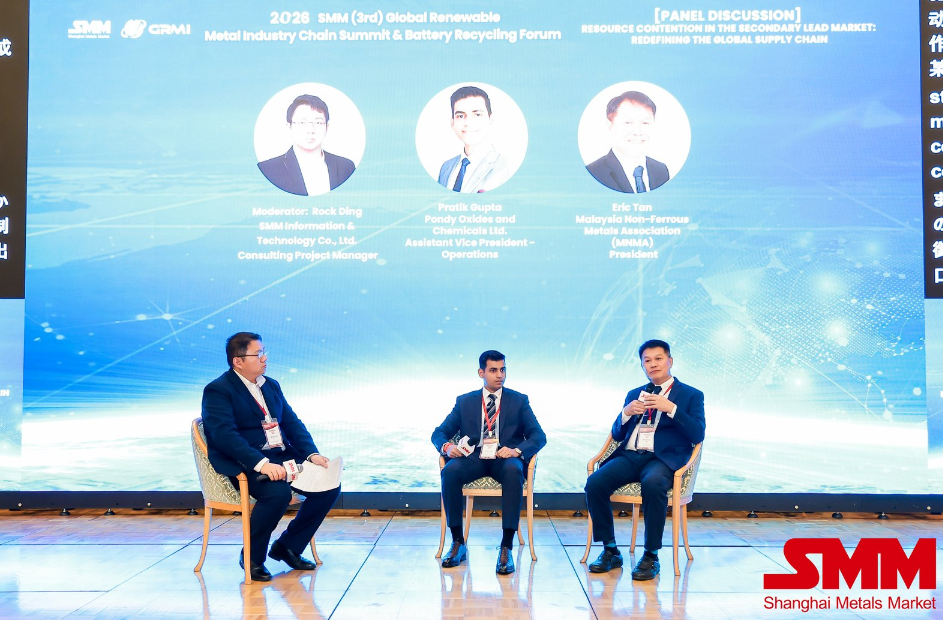
Resource Contention in the Secondary Lead Market: Redefining the Global Supply Chain
Moderator:
Rock Ding, Consulting Project Manager, SMM
Panelists:
Pratik Gupta, Assistant Vice President - Operations, Pondy Oxides and Chemicals Ltd
Eric Tan, President, Malaysia Nonferrous Metals Association
Panel Discussion
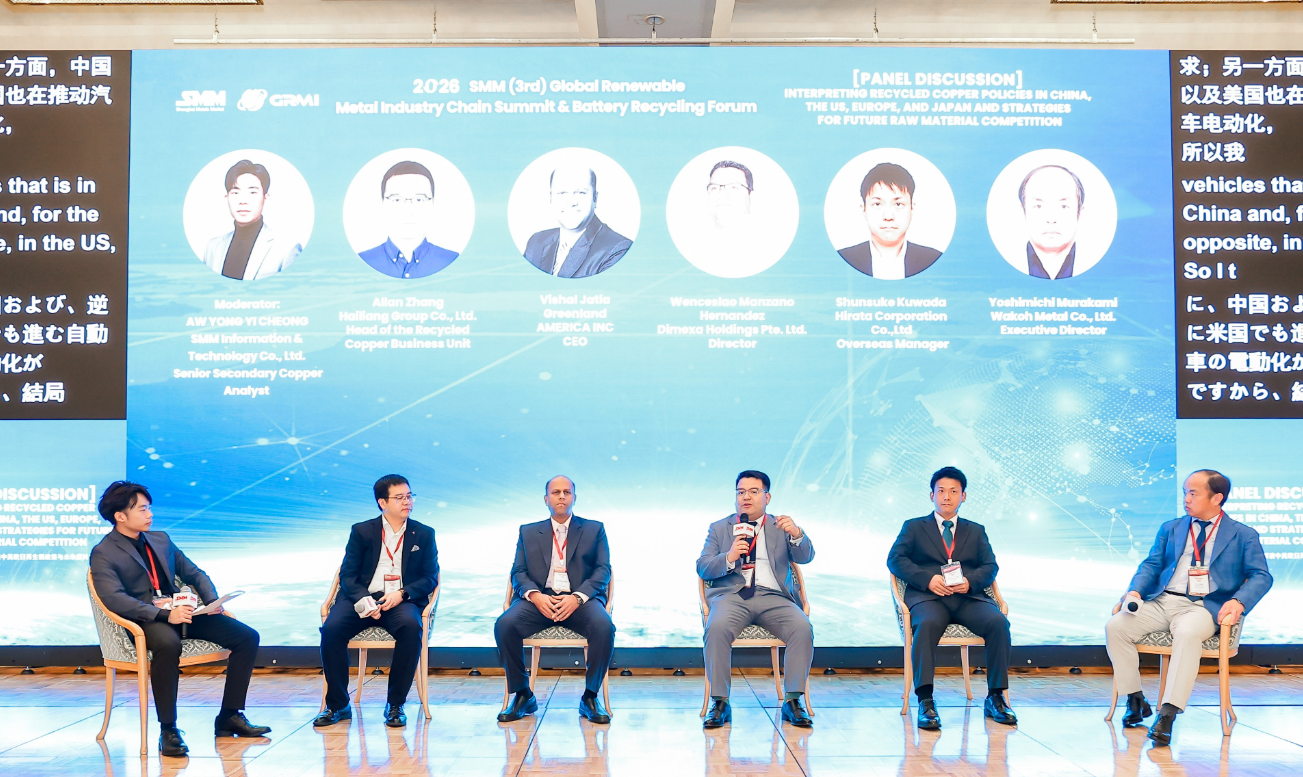
Interpreting Recycled Copper Policies in China, the US, Europe, and Japan and Strategies for Future Raw Material Competition
Moderator:
AW YONG YI CHEONG, Senior Secondary Copper Analyst, SMM
Panelists:
Allan Zhang, Head of the Recycled Copper Business Unit, Hailiang Group Co., Ltd.
Mr. Vishal Jatia, CEO, GREENLAND AMERICA INC
WENCESLAO MANZANO HERNANDEZ, Director, DIMEXA HOLDINGS PTE. LTD.
Shunsuke Kuwada, Overseas Manager, Hirata Corporation Co.,Ltd
Yoshimichi Murakami, Executive Director, Wakoh Metal Co., Ltd.
[Keynote Speech] - Current Status of Lead-Acid Battery in Japan
Speaker: Yuji Tanamachi, CEO, IRUNIVERSE
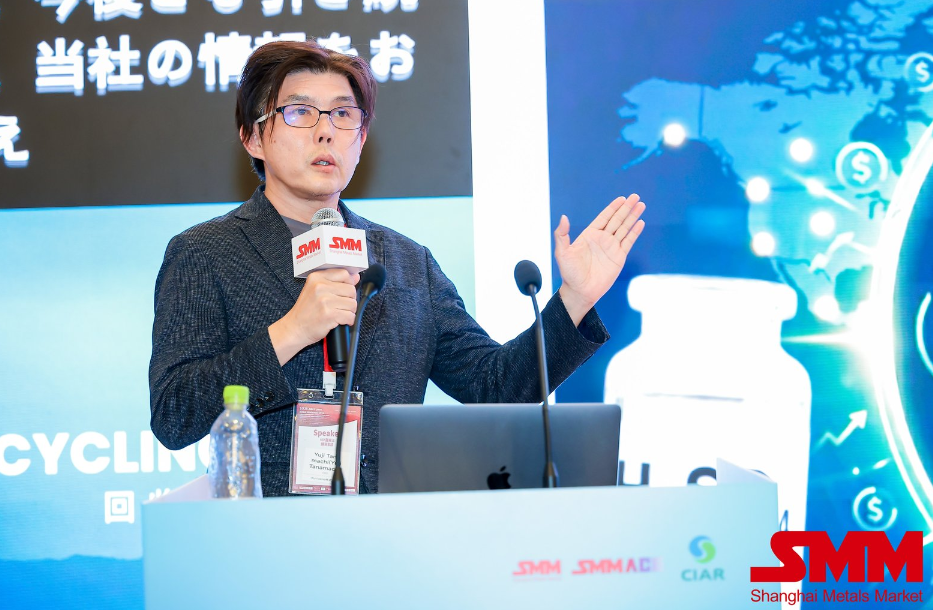
The volume of lead-acid battery scrap generated in Japan continues to decline. The reason is the sharp decrease in the number of end-of-life vehicles (ELVs) retired in China.
Over a decade ago, the number of ELVs generated in Japan exceeded 5 million units, but now it is approximately 2.7 million units, nearly halved. The chart on the right shows the increase in the average service life of passenger vehicles.
The significant decline in ELV numbers was mainly driven by two factors: first, continued decline in new car sales in Japan, directly driven by population decline; second, the climbing scale of used car exports.
Since the auction model was popularized in Japan a decade ago, not only ordinary used cars but even retired vehicles could be traded through auctions.
Logically, a decrease in total ELV numbers should lead to a corresponding reduction in the number of dismantling enterprises. However, the reality was quite the opposite: the number of dismantling enterprises backed by ex-China capital from Iran, Saudi Arabia, Syria, the Kurdish region, and China continued to grow.
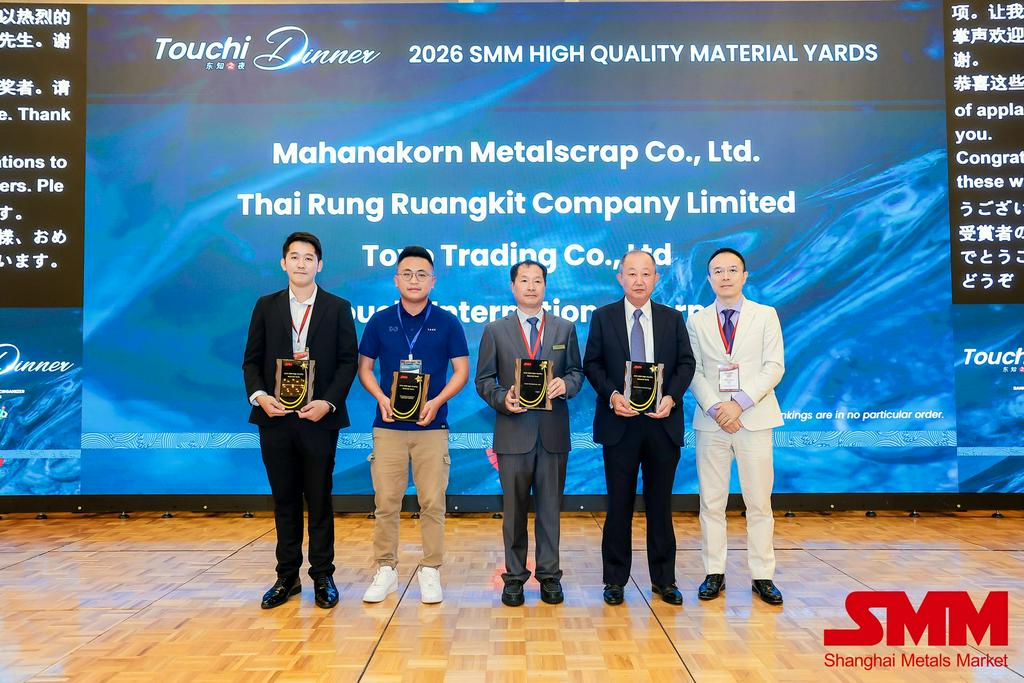
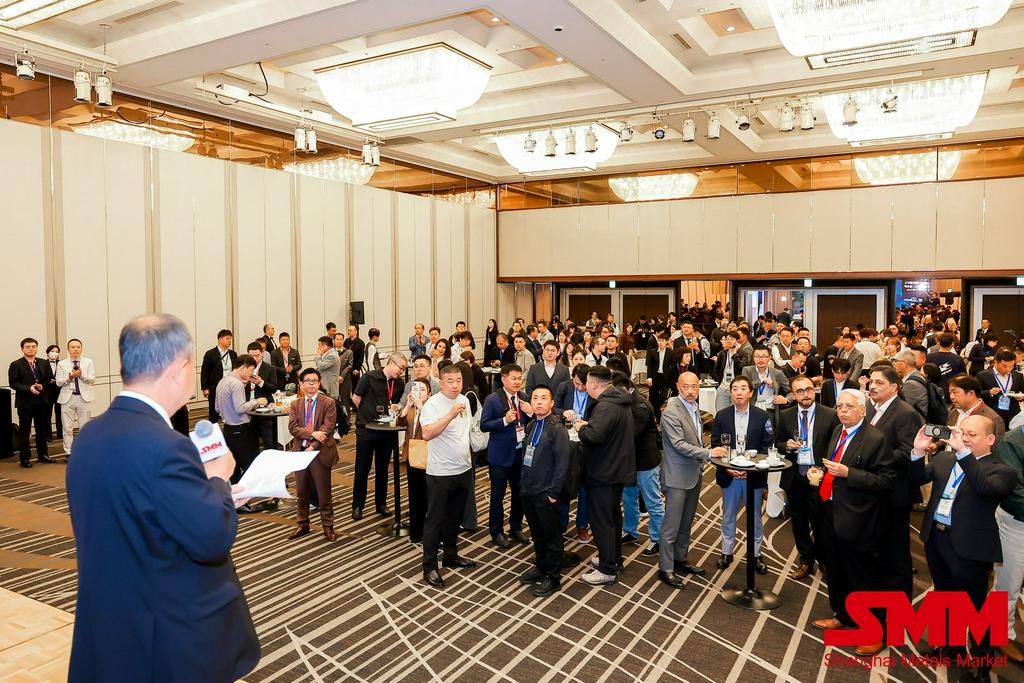
Award Ceremony
- SMM Recycled Metals Industry Premium Scrap Yards
- SMM Recycled Metals Industry Premium Traders
- SMM Recycled Metals Industry Premium Equipment Enterprises
May 12
Renewable Resources Equipment Forum
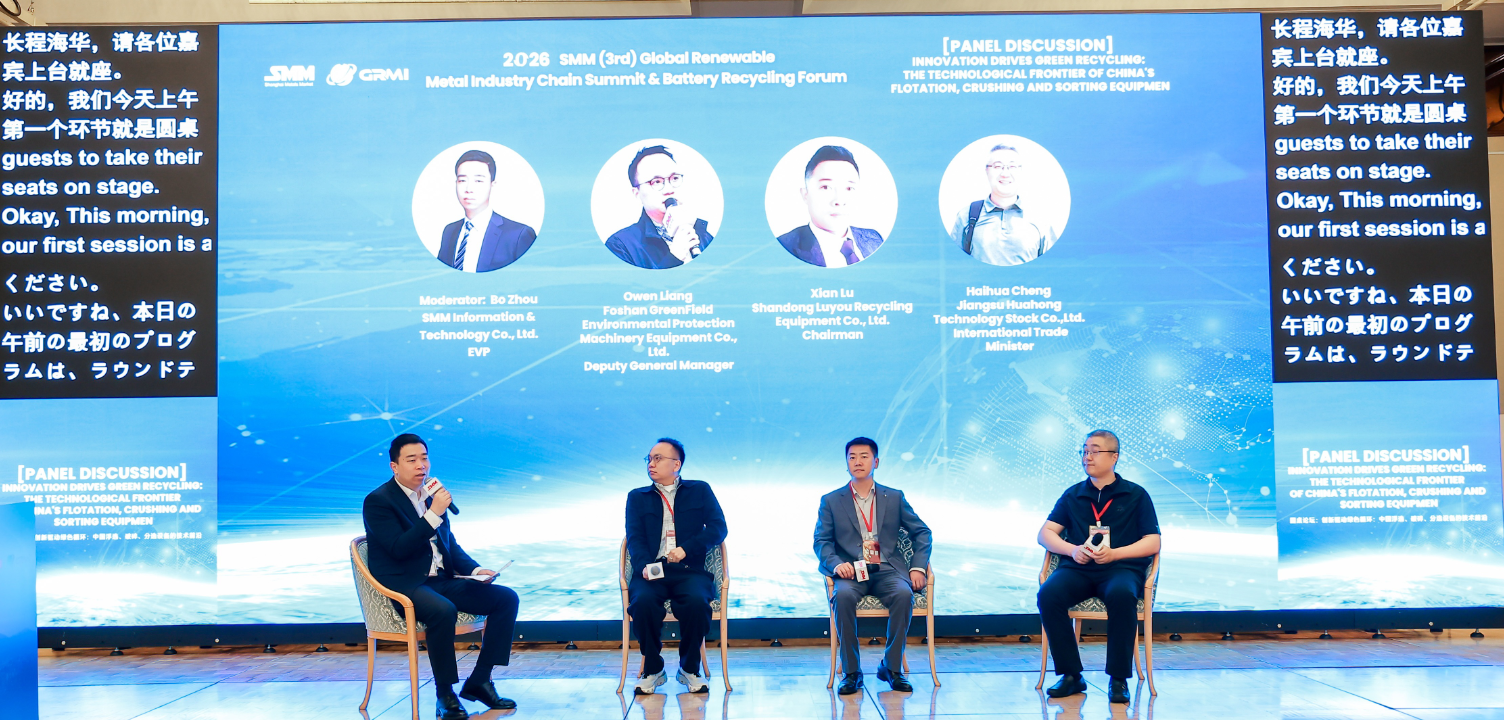
Panel Discussion
Innovation Drives Green Recycling: the Technological Frontier of China's Flotation, Crushing and Sorting Equipment
Moderator:
Bo Zhou, EVP, SMM
Panelists:
Owen Liang, Deputy General Manager, Foshan GreenField Environmental Protection Machinery Equipment Co., Ltd.
Xian Lu, Chairman, Shandong Luyou renewable resources equipment Co., Ltd.
Haihua Cheng, International Trade Minister, Jiangsu Huahong Technology Stock Co.,Ltd.
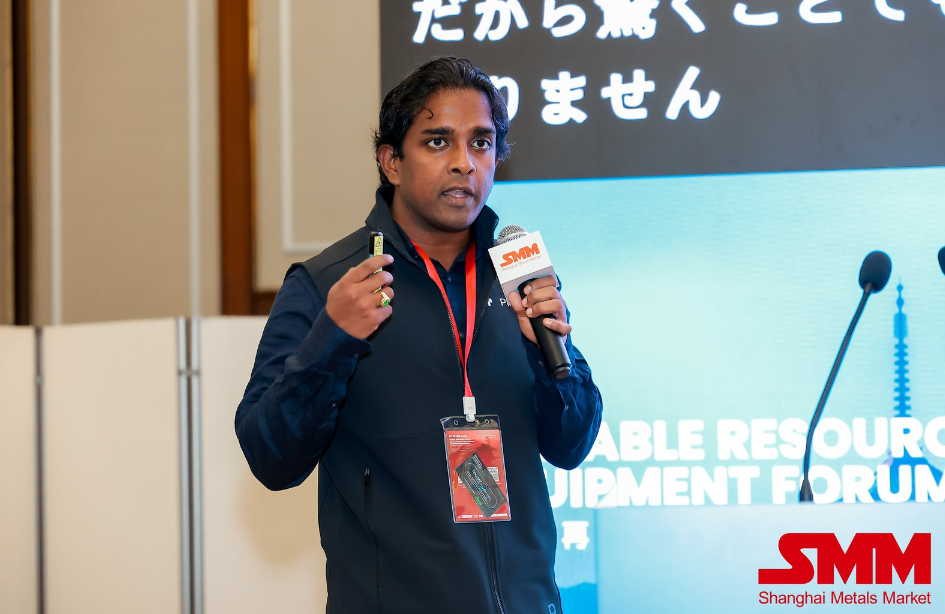
[Keynote Speech] - Volatility Eats Margins for Breakfast Managing Risk Now That Tariffs, Geopolitics, And Supply Shocks Have Driven Base Metal Prices to Multi-year Extremes
Speaker: Harsha Ramesh, CEO & Co-founder, Pillar Hedge
Aluminum—Supply Shock
From February to April 2026, aluminum prices surged by over 20% at their peak within just two months, driven by the following key factors:
Strait of Hormuz Disruption:
Iran conflict closes shipping lanes; approximately 9% of global supply at risk
Gulf Production Hit:
EGA flagship plant shut down for up to one year; Bahrain's ALBA halted
Compounding Tariff Impact:
US Midwest premiums widened significantly, tariffs reshaped physical trade flows
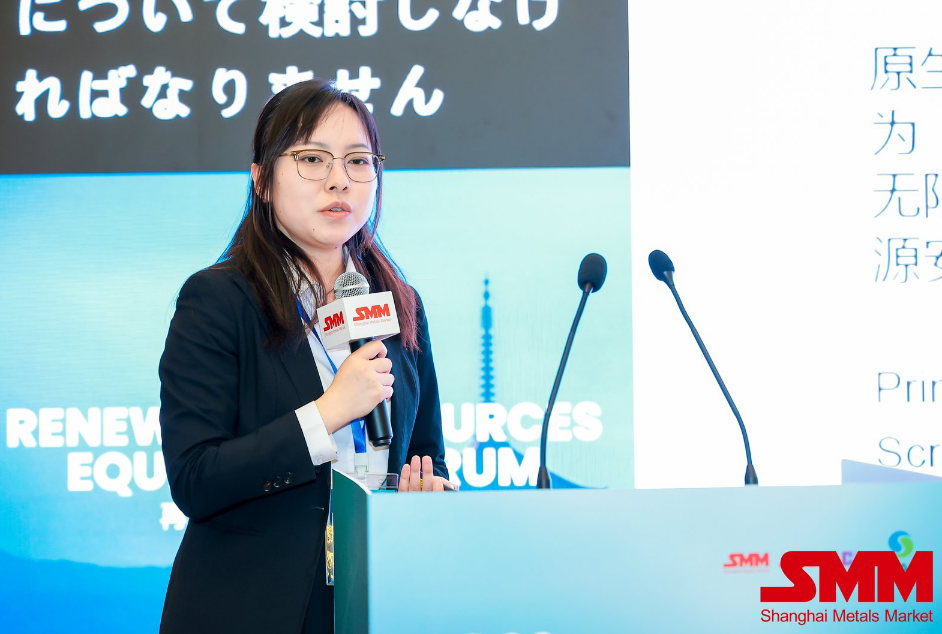
Keynote Speech: Precision Sorting Green Future
Speaker: Jianan Li, Overseas Sale, Zhejiang Tianli Equipment Technology Co., Ltd.
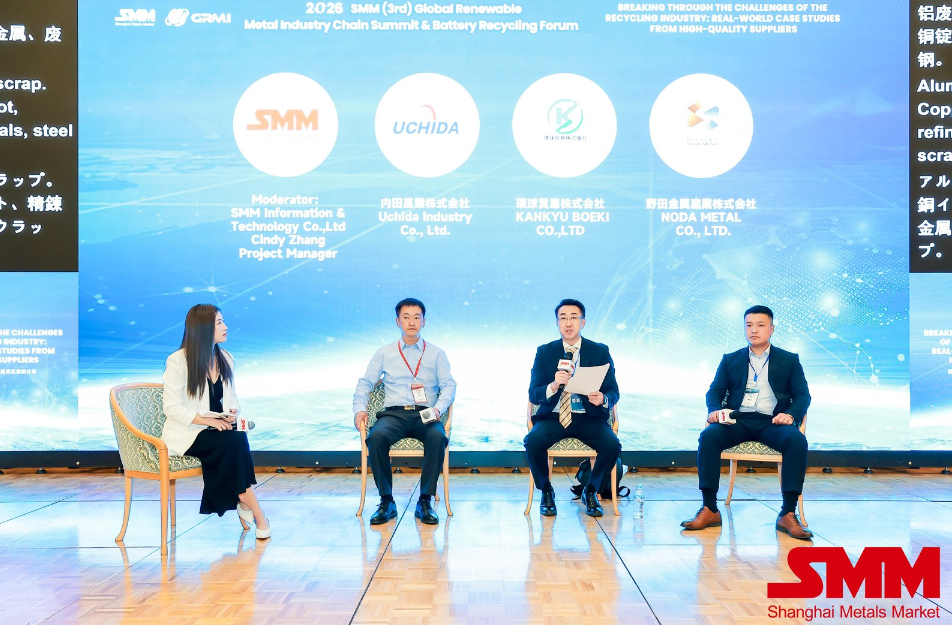
[Panel Discussion] - Breaking Through the Challenges of the Recycling Industry: Real-World Case Studies from High-Quality Suppliers
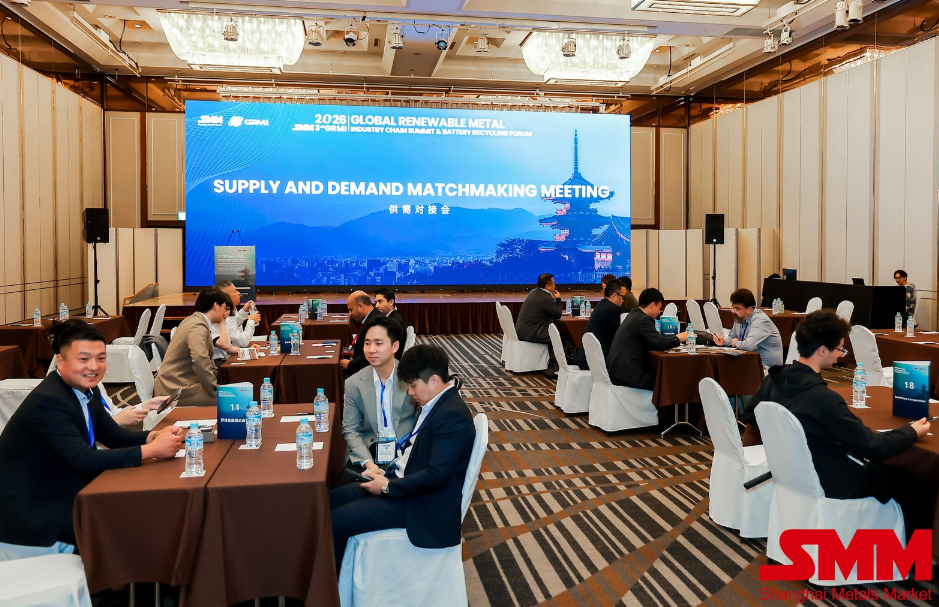
Networking among medium-to-large-scale scrap yards/traders
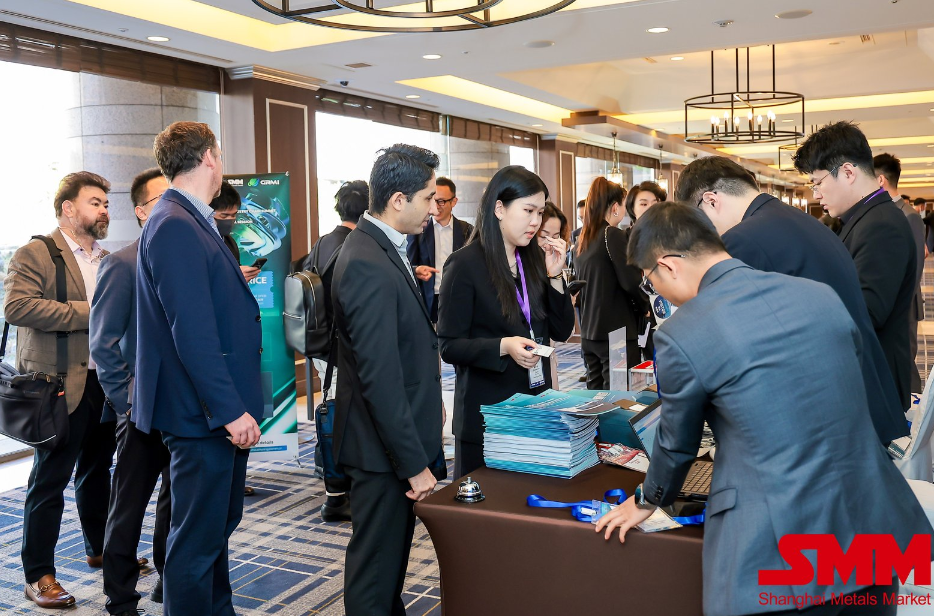
Conference Check-in
The 2026 SMM (3rd) Global Renewable Metal Industry Chain Summit & Battery Recycling Forum has now come to a successful conclusion.
We sincerely appreciate the strong support from all industry participants and partners.
Looking forward to meeting you again next year!
![[SMM Analysis]U.S. Restricts Critical Mineral Scrap Exports — Could Copper Scrap Be Next?](https://imgqn.smm.cn/usercenter/MXbup20251217171745.jpg)