What is Low-Carbon Nickel Sulphate?
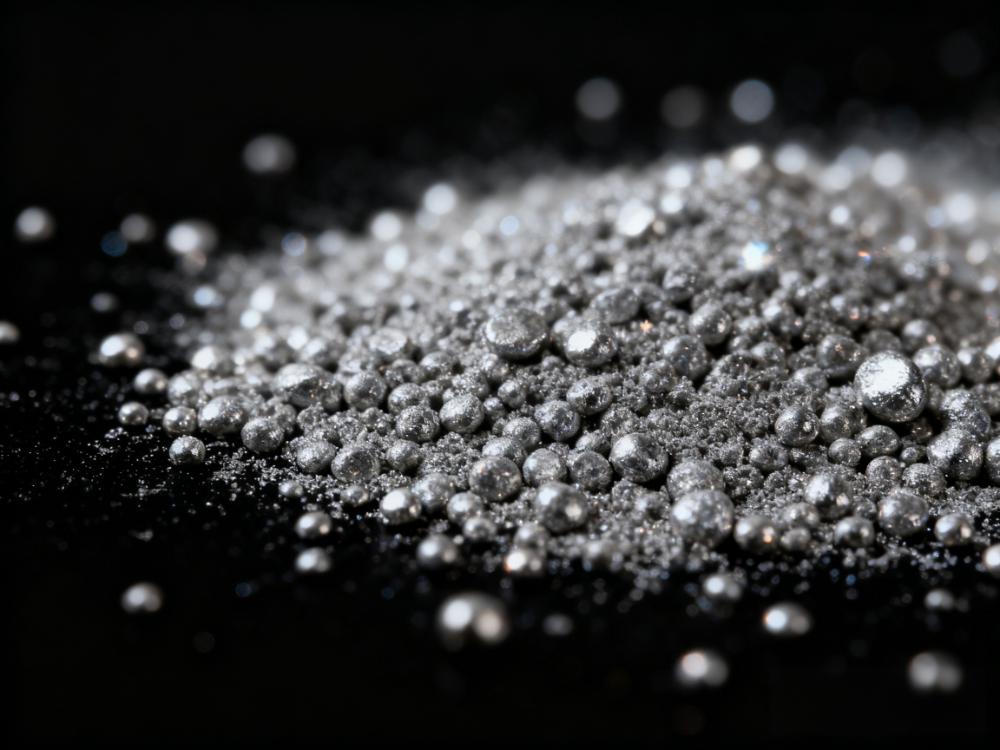
Nickel sulphate (NiSO₄) is a common nickel compound widely used in electroplating, battery materials, and chemical reagents. The traditional production of nickel sulphate typically relies on high-emission fossil fuels. However, low-carbon nickel sulphate is a type of nickel sulphate that significantly reduces carbon emissions through energy saving, renewable energy, or improved process flows.
Methods of Preparing Low-Carbon Nickel Sulphate
Here are some common methods for preparing low-carbon nickel sulphate:
Using Green Electricity: Using renewable energy (such as wind and solar power) to generate electricity, thereby reducing carbon dioxide emissions.
Green Chemistry: By optimizing chemical reaction pathways and conditions, reducing intermediate steps (reducing the use of high-carbon auxiliary materials), fundamentally lowering energy consumption and waste emissions.
Circular Economy: Recycling used nickel batteries and other nickel-containing materials to remanufacture nickel sulphate. This not only saves resources but also reduces the environmental pressure of mining new nickel ores.
Applications of Low-Carbon Nickel Sulphate
Electric Vehicle Batteries
Nickel is an indispensable element in NEV batteries. Especially in lithium-ion batteries, nickel-based cathode active materials (such as Ni-Co-Mn oxides, NCM) are highly favored. These materials not only provide high energy density but also maintain a long life cycle, offering strong endurance for electric vehicles. Using low-carbon nickel sulphate helps reduce the carbon footprint throughout the battery production process, contributing to the green environmental protection goals of electric vehicles.
Solar Panels
Nickel sulphate is also used in certain coating processes of solar panels. By using low-carbon nickel sulphate, the photovoltaic industry can further reduce the so-called "invisible carbon footprint," making solar energy a purer form of renewable energy.
Electroplating Industry
The application of low-carbon nickel sulphate in electroplating processes can significantly reduce carbon emissions in the production of metal coatings, providing a more environmentally friendly option for the manufacturing industry.
Challenges and Future Prospects
Despite the significant advantages of low-carbon nickel sulphate in reducing carbon emissions, its large-scale promotion still faces some challenges, including:
Cost: Green preparation processes are usually more complex than traditional processes, with higher initial investments.
Technical Maturity: Some low-carbon preparation methods are still in the research and development stage, requiring further technological breakthroughs and validation.
Market Acceptance: Market awareness of low-carbon products needs to be enhanced, and consumers and businesses need time to adapt to this transition.
However, with policy-driven initiatives and technological advancements, these challenges are expected to be gradually resolved.
As an innovative material, low-carbon nickel sulphate's green preparation methods and broad application prospects make it a key element in addressing climate change and achieving sustainable development. Through further technological research and promotion, we have reason to believe that low-carbon nickel sulphate will contribute to building a more environmentally friendly and better future for humanity.
SMM will also continue to contribute to promoting low-carbon development and driving the global transition to a green low-carbon economy. Following the launch of the SMM Low-Carbon High-Grade NPI Index, the SMM Low-Carbon Nickel Sulphate Index will also be launched in September!
![[SMM Analysis] Sulfur Market: Supply Contraction & New Energy Surge Keep 2026 Tight.](https://imgqn.smm.cn/usercenter/CWsEw20251217171732.jpeg)
![[SMM Stainless Steel Flash] India’s Stainless Steel Industry Faces Supply Gap Amid Rising Domestic Demand](https://imgqn.smm.cn/usercenter/OjGlE20251217171734.jpg)