

Companies like Volvo and Audi are leading the way by implementing measures to reduce emissions from their operations and supply chains while still maintaining profitability. In this article, we will delve deeper into the sustainability initiatives undertaken by these companies and the impact they are making in the industry.
In a recent interview with Forbes, Karin Svensson, Volvo Group's chief sustainability officer, and Spencer Reeder, Audi of America's director of government affairs and sustainability, discussed how their respective companies are working towards reducing emissions.
Volvo Group and Audi strive towards a sustainable future with production chain decarbonisation
Sustainability has become a buzzword in the modern world and for a good reason. With the ever-increasing population and the growing need for resources, it has become imperative for every industry to shift towards sustainable practices. The automotive industry has significantly contributed to carbon emissions but has started making strides towards sustainability.
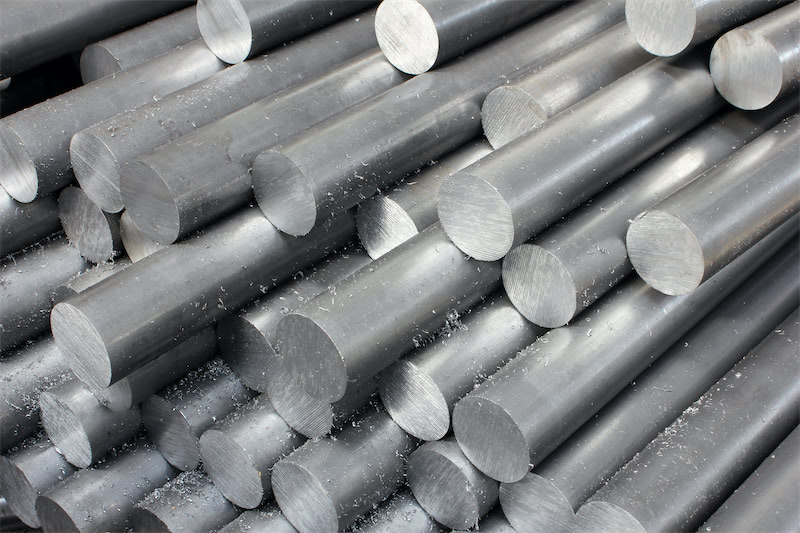
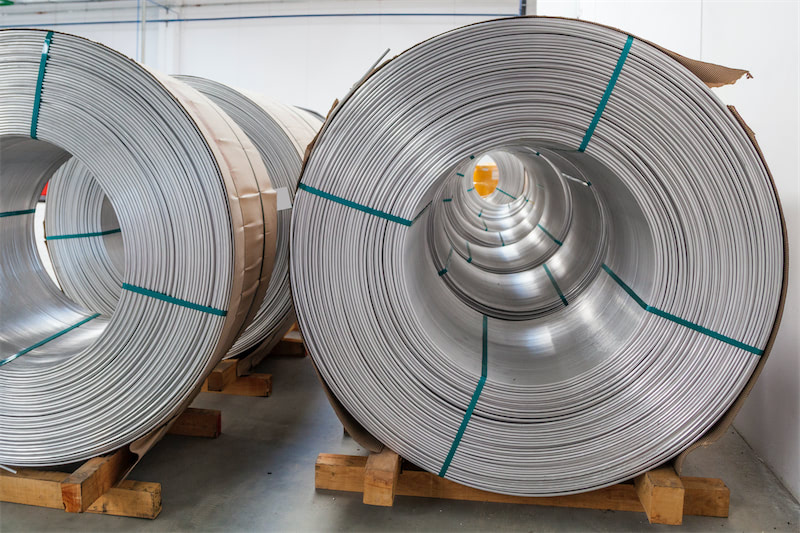
The aluminium industry is extremely energy intensive, and primary aluminium production emits a huge amount of carbon dioxide. Recycled aluminium uses only 5% of the power needed to produce primary aluminium, and since the non-ferrous metal has the ability to retain its original properties after transformation, it is a much more feasible option. Moreover, aluminium can induce a circular economy due to its 100% recyclability, ultimately forming a material loop along the production cycle.
Cars and vans were responsible for almost half of the total transportation emissions worldwide in the previous year, majorly from burning fossil fuels in conventional combustion engine vehicles. As automakers shift towards EVs, they must not only focus on tailpipe emissions but also upstream emissions from fuel production and transportation. It's imperative that they take into account the life cycle emissions, including material and vehicle production, as well as end-of-life recycling. The need of the hour is to take decisive action towards sustainable and zero-emission mobility.
Novelis
Audi and Volvo Group are making significant strides towards achieving sustainable supply chains. Audi is committed to achieving carbon neutrality across all its sites by 2025 and has already implemented several eco-friendly measures, including using recycled glass windshields and plastic covers in their EV models. Similarly, Volvo Group is gradually transitioning its production facilities to renewable energy sources and has partnered with a supplier to source fossil-free steel for its EVs, demonstrating its commitment to sustainable practices.
Both companies are also investing in renewable power and incorporating recycled materials into their vehicles. They are taking proactive measures to upskill their workforce and provide training to employees to support the transition to sustainable transportation. These efforts are not only good for the environment but also set an example for the industry, promoting sustainable practices and ultimately leading to a cleaner future.
We recently covered a story where Australian aluminium extrusion giant Capral was seen partnering with Goldstar to have a sustainable fleet of trucks for its regional deliveries. It is not only essential for heavy industries to oversee the shift to greener materials, but they should also develop sustainable delivery systems or stewardship.
Future of Aluminium in Transportation Sector
Reducing emissions in material production and utilising alternative materials are fundamental strategies to achieve sustainability. The steel, iron, and aluminium industries contribute to greenhouse gas emissions in passenger vehicle supply chains. The energy used in manufacturing vehicle batteries also has a significant carbon footprint. Automakers must adopt a circular economy to minimise resource consumption and focus on reuse and recycling. Sustainability should be prioritised throughout the automotive supply chain beyond just fleet electrification.
source:https://www.alcircle.com/news/volvo-group-and-audi-strive-towards-a-sustainable-future-with-production-chain-decarbonisation-101639
Volvo Group and Audi strive towards a sustainable future with production chain decarbonisation
Companies like Volvo and Audi are leading the way by implementing measures to reduce emissions from their operations and supply chains while still maintaining profitability. In this article, we will delve deeper into the sustainability initiatives undertaken by these companies and the impact they are making in the industry.
Data Source Statement: Except for publicly available information, all other data are processed by SMM based on publicly available information, market communication, and relying on SMM‘s internal database model. They are for reference only and do not constitute decision-making recommendations.
For any inquiries or to learn more information, please contact: lemonzhao@smm.cn
For more information on how to access our research reports, please contact:service.en@smm.cn
Related News
![Secondary Aluminum Prices Were Expected to Face Downward Pressure and Pull Back in April[SMM Analysis]](https://imgqn.smm.cn/production/admin/votes/imageskkgTu20240508153005.png)
7 hours ago
Secondary Aluminum Prices Were Expected to Face Downward Pressure and Pull Back in April[SMM Analysis]
Read More
Secondary Aluminum Prices Were Expected to Face Downward Pressure and Pull Back in April[SMM Analysis]
[SMM Analysis]Weak Supply-Demand Pattern; Secondary Aluminum Prices Were Expected to Come Under Pressure and Pull Back in April
7 hours ago
![Supported by Multiple Factors, Aluminum Fluoride Prices Rose Sharply in April [SMM Analysis]](https://imgqn.smm.cn/usercenter/DRlGu20251217171652.jpg)
8 hours ago
Supported by Multiple Factors, Aluminum Fluoride Prices Rose Sharply in April [SMM Analysis]
Read More
Supported by Multiple Factors, Aluminum Fluoride Prices Rose Sharply in April [SMM Analysis]
Overall, cost support remained strong, supply tightened while demand stayed stable. As tender prices became clear, aluminum fluoride prices were generally raised by around 800 yuan/mt in line with the guidance. Going forward, close attention should be paid to dynamic changes in raw material costs and adjustments in downstream procurement pace.
8 hours ago
10 hours ago
Bauxite Inventory at Ten Domestic Ports Rises by 2.17 Million MT
Read More
Bauxite Inventory at Ten Domestic Ports Rises by 2.17 Million MT
【SMM Port Inventory of Imported Bauxite】According to SMM's statistics on April 3, the total bauxite inventory at ten domestic ports increased by 2.17 million mt from the previous week.
10 hours ago
Related News
Secondary Aluminum Prices Were Expected to Face Downward Pressure and Pull Back in April[SMM Analysis]
Apr 03, 2026 21:37
Supported by Multiple Factors, Aluminum Fluoride Prices Rose Sharply in April [SMM Analysis]
Apr 03, 2026 21:03
Bauxite Inventory at Ten Domestic Ports Rises by 2.17 Million MT
Apr 03, 2026 18:47
Guangxi Alumina Factory Raises Caustic Soda Purchase Price by 450 Yuan/Ton in April
Apr 03, 2026 18:46