June 8, 2026 – Recently, Nantong officially introduced a dedicated support policy for the hydrogen energy industry, charting a course for high-quality development in the sector. Leveraging its local high-quality green electricity and green hydrogen resources and its advanced hydrogen energy manufacturing base, the city is making comprehensive arrangements to build the entire hydrogen energy industry chain. It is striving to become a benchmark for hydrogen energy equipment manufacturing and application demonstration in the Yangtze River Delta and a core regional hub for hydrogen energy supply.
The Nantong Municipal Development and Reform Commission and the Municipal Bureau of Industry and Information Technology jointly issued the "Implementation Opinions on Supporting the High-Quality Development of the Hydrogen Energy Industry in Nantong." The document focuses on core industry chain links such as hydrogen production, storage and transportation, and refueling infrastructure, promoting clustered and scaled development of the industry, while continuously expanding the application of hydrogen energy in three key areas: transportation, energy, and industry, thereby systematically constructing a new pattern for the local hydrogen energy industry.
The newly issued implementation opinions set a clear, phased development blueprint, defining industrial development goals for two key periods. By 2028, Nantong will have largely perfected the institutional framework for hydrogen energy development and established a comprehensive "production, storage, transmission, and utilization" supply chain and industrial system. It aims to significantly enhance its industrial technological innovation capabilities, upgrade the quality of the entire industry chain, advance infrastructure construction in an orderly manner, and continuously diversify hydrogen energy application scenarios. By 2030, the city will have preliminarily established a clean, low-carbon, safe, and efficient hydrogen energy supply and application system, making green hydrogen the primary source of new hydrogen supply, effectively reducing hydrogen usage costs, achieving scaled application of hydrogen energy in transportation, energy, and industry, and delivering substantial industrial development outcomes.
To ensure the realization of these goals, the opinions introduce a comprehensive set of supporting measures across four dimensions—industrial innovation and upgrading, infrastructure development, application scenario expansion, and industrial environment optimization—to facilitate the scaled and high-quality development of the hydrogen energy industry.
On industrial innovation, Nantong will rely on the "open competition mechanism to select the best candidates" to concentrate efforts on tackling key core technologies in hydrogen energy, accelerating R&D iterations and the market transformation of cutting-edge technologies. Concurrently, it will focus on supporting the construction of various industrial platforms such as provincial-level hydrogen energy innovation platforms and hydrogen energy equipment pilot-scale bases. Drawing on its strong foundation in the equipment manufacturing industry, Nantong will cultivate high-quality enterprises in hydrogen energy subsectors that are specialized and sophisticated SMEs capable of producing novel and unique products, comprehensively enhancing its R&D and manufacturing capabilities for equipment across the entire hydrogen energy chain.
In infrastructure development, Nantong will leverage the resource endowments of areas like Rudong, Qidong, Haimen, and its development zones to deploy key projects for producing hydrogen from renewable energy and purifying industrial by-product hydrogen according to local conditions, thereby strengthening the regional hydrogen supply security system. The layout of hydrogen refueling facilities will be scientifically coordinated based on industrial development needs and practical application scenarios, prioritizing the construction of hydrogen refueling infrastructure in key areas such as expressway networks, port logistics hubs, and industrial parks. Furthermore, the city will model its management approach after natural gas refueling stations, creating tailored management standards for hydrogen refueling stations, simplifying construction and deployment procedures, and providing institutional support for the large-scale construction of hydrogen refueling infrastructure.
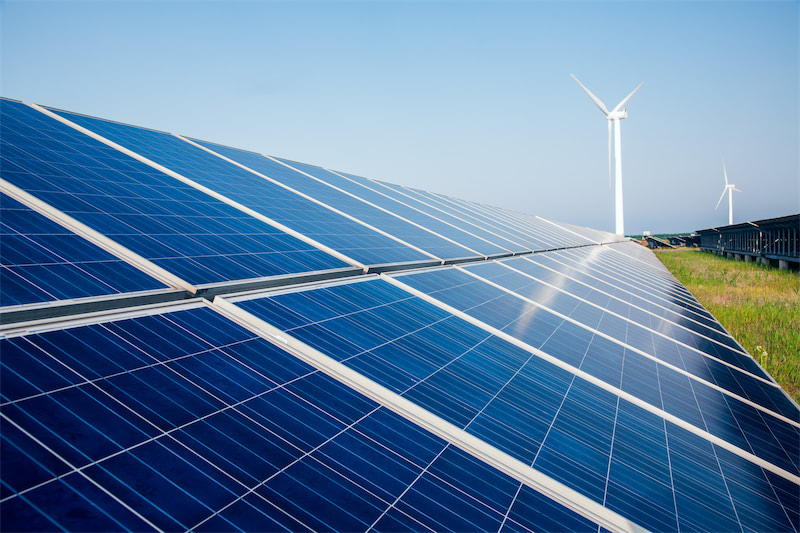
In expanding hydrogen energy application scenarios, Nantong is building a multi-field, diversified application system. In transport, it will vigorously promote fuel cell vehicles, advance the construction of green hydrogen-powered ships, and proactively align with Shanghai's plans for an international shipping green fuel bunkering and trading center, integrating into the Yangtze River Delta's green shipping system. In the energy sector, it will actively explore new application models such as "wind and solar power generation + hydrogen energy storage" integration and hydrogen-heat-power coupling, creating a new type of integrated energy supply system. For industrial development, it will leverage its coastal advantages to build a green fuel industry base, promoting the synergistic development of hydrogen, ammonia, and methanol industries, and implementing pilot demonstration projects for producing green ammonia and green methanol from green electricity. In the industrial sector, it will actively promote green hydrogen metallurgy technology and steadily advance the substitution of green hydrogen, ammonia, and methanol to help high-energy-consuming industries like steel and chemicals achieve deep energy conservation and emission reduction.
On industrial environment optimization, Nantong will seize multiple policy benefits from regional hydrogen energy pilots, hydrogen energy urban cluster pilots, and the Yangtze River Estuary Industrial Innovation and Green Development Collaborative Zone to deepen cross-regional industrial cooperation and create a regional hydrogen energy industry landscape characterized by complementary strengths and interconnected development. Meanwhile, it will integrate various financial tools and dedicated government funds to increase support for hydrogen energy projects and prioritize land supply for major hydrogen energy project construction. Additionally, by improving the industrial standards system, intensifying efforts to attract and cultivate hydrogen energy professionals, and strengthening organizational and coordination safeguards, the city will solidify the foundation for the high-quality development of the hydrogen energy industry in all respects.
![[Solid-State: GEM Co-Founds Joint Laboratory For Solid-State Battery Cathode Materials]](https://imgqn.smm.cn/usercenter/JMINH20251217171728.jpg)