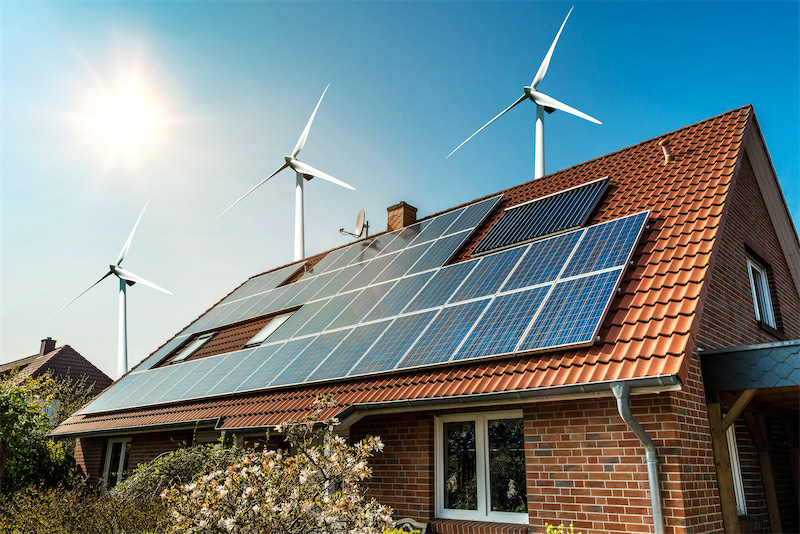
Ngày 24/2, Tập đoàn Bảo vệ Môi trường Guotai đã tổ chức phiên họp thứ 15 của Hội đồng Quản trị khóa IV, thông qua "Đề án sửa đổi Phạm vi Kinh doanh, Sửa đổi Điều lệ Công ty và Xử lý Thay đổi Đăng ký Kinh doanh". Điều chỉnh này không chỉ đơn thuần là mở rộng quy mô kinh doanh mà còn đánh dấu bước chuyển mình quan trọng của doanh nghiệp bảo vệ môi trường truyền thống này sang lĩnh vực kinh tế tuần hoàn năng lượng mới - bổ sung các hoạt động như tái chế pin lithium-ion, cho thuê thiết bị điện mặt trời và sản xuất pin, chính thức bước vào chuỗi công nghiệp năng lượng mới đang phát triển nhanh chóng.
Sự điều chỉnh chiến lược của Guotai không phải là ngẫu nhiên. Những năm gần đây, ngành công nghiệp xe năng lượng mới của Trung Quốc duy trì đà tăng trưởng mạnh. Số liệu cho thấy năm 2025, sản lượng và doanh số xe năng lượng mới của Trung Quốc đều đạt mức tăng trưởng gần 30%, chiếm 47,9% tổng doanh số xe mới. Khi những viên pin đầu tiên dần bước vào giai đoạn thải loại, một thị trường hậu kỳ khổng lồ đang hình thành với tốc độ nhanh chóng.
Tái chế pin năng lượng bao gồm thu gom, xử lý và tái sử dụng pin thải loại, nhằm thúc đẩy tuần hoàn tài nguyên, bảo vệ môi trường sinh thái và thúc đẩy phát triển ngành công nghiệp lâu dài. Hiện tại, tỷ lệ tái chế chuẩn hóa pin thải loại tại Trung Quốc vẫn dưới 50%, với số lượng lớn pin thải chảy vào các kênh không chính thức như "cơ sở tái chế thủ công", tiềm ẩn rủi ro môi trường và lãng phí tài nguyên chiến lược. Việc tái chế và tận dụng pin đã qua sử dụng một cách chuẩn hóa có ý nghĩa quan trọng trong giảm thiểu ô nhiễm môi trường, đảm bảo an ninh tài nguyên kim loại then chốt quốc gia, thúc đẩy xanh hóa công nghiệp và nâng cao năng lực cạnh tranh quốc tế.
Tháng 2/2025, Phiên họp của Ủy ban Thường vụ Quốc vụ viện đã thông qua "Kế hoạch Hành động hoàn thiện Hệ thống Tái chế và Tận dụng Pin Năng lượng Xe Điện", đề xuất rõ ràng việc hoàn thiện hệ thống tiêu chuẩn và đạt được tái chế, tận dụng pin năng lượng an toàn, hiệu quả và chuẩn hóa. Ngay sau đó, sáu bộ bao gồm Bộ Công nghiệp và Công nghệ Thông tin, Ủy ban Cải cách và Phát triển Quốc gia và Bộ Sinh thái và Môi trường đã cùng ban hành "Biện pháp Tạm thời về Tái chế và Tận dụng Toàn diện Pin Năng lượng Thải loại từ Xe Năng lượng Mới", có hiệu lực từ ngày 1/4/2026.
Quy định sắp tới này được giới chuyên môn đánh giá là "bước ngoặt" của ngành. "Biện pháp Quản lý" thiết lập hệ thống giám sát "vòng đời hoàn chỉnh" cho pin năng lượng, xây dựng nền tảng truy xuất nguồn gốc toàn quốc cho pin xe điện, thúc đẩy giám sát dòng chảy pin và truy xuất thông tin xuyên suốt vòng đời, đồng thời làm rõ trách nhiệm tái chế của doanh nghiệp pin và nhà sản xuất xe điện.
Điều này đánh dấu sự chuyển dịch từ mô hình vận hành "tự phát" trước đây sang kỷ nguyên quản lý "chuyên nghiệp" trong tái chế pin. Việc ban hành quy định mới thiết lập "quy tắc ứng xử" rõ ràng cho ngành, nhằm giải quyết mâu thuẫn giữa cơ cấu "phân mảnh" của chuỗi sản xuất và yêu cầu quản lý "toàn vòng đời", từ đó kiến tạo chu trình khép kín "sản xuất - sử dụng - tái chế - tái sinh".

![[Phân tích SMM] Giá lithium vượt mốc 200.000 NDT/tấn, truyền dẫn giá lưu trữ năng lượng bước vào giai đoạn quan sát](https://imgqn.smm.cn/usercenter/cTxNb20251217171727.jpg)