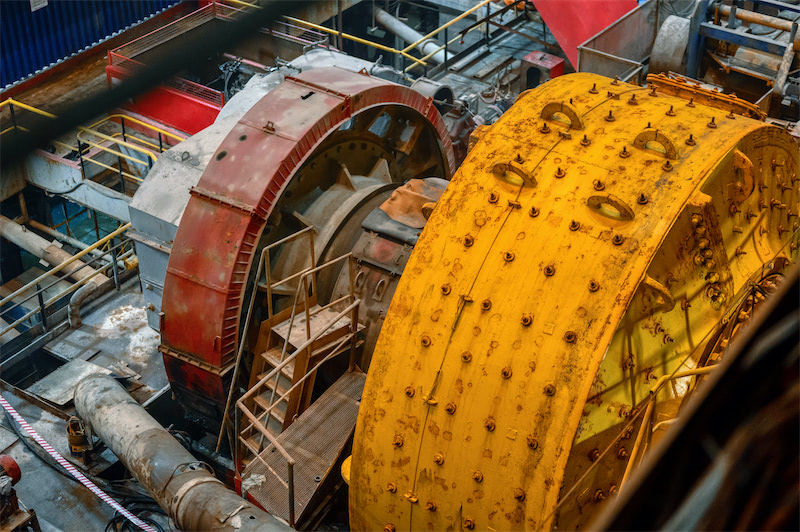
Khi dự án mỏ đồng Mirador giai đoạn II ở Ecuador do một doanh nghiệp Trung Quốc phát triển rơi vào bế tắc "xây xong chờ phê duyệt", thì tại Washington D.C. cách đó mười nghìn km, Ngân hàng Xuất nhập khẩu Hoa Kỳ và Tổng thống cùng công bố một sáng kiến an ninh chuỗi cung ứng mang tính lịch sử có tên "Kế hoạch Dự trữ Vàng". Trong sự tương phản giữa dự án đình trệ này và sáng kiến mới khởi động, cuộc chiến ngầm toàn cầu về các tài nguyên khoáng sản chiến lược như đồng, lithium, coban và gali đang từ hậu trường bước ra trung tâm sân khấu.
Vì Sao "Bước Cuối" Lại Thành Chờ Đợi Vô Hạn?
Theo thông tin công khai, dự án Mirador giai đoạn II về cơ bản đã hoàn thành từ tháng 5/2025, chạy thử không tải vào tháng 7 và vận hành thử nghiệm có tải thành công vào tháng 12 - tất cả các yêu cầu kỹ thuật và bảo vệ môi trường đều đã đáp ứng. Tuy nhiên, quy trình lại mắc kẹt ở khâu hành chính là ký kết Hợp đồng Khai thác.
Lý do bề ngoài là tình hình chính trị Ecuador liên tục biến động: bầu cử đại hội sớm vào năm 2023, một cuộc bầu cử khác vào năm 2025, tiếp theo là tổng thống tái đắc cử thành lập nội các mới, cùng với sự thay đổi nhân sự liên tục ở Bộ Năng lượng và Mỏ. Như doanh nghiệp cho biết, "thay đổi nhân sự đã ảnh hưởng đáng kể đến tính liên tục của chính sách và hiệu suất hành chính", khiến các thỏa thuận hợp đồng đã hoàn tất bị đình trệ trong quy trình phê duyệt.
"Kế Hoạch Dự Trữ Vàng" Của Mỹ: Tái Định Hình Chuỗi Cung Ứng Bằng Sức Mạnh Quốc Gia
Đúng lúc Mirador giai đoạn II mắc kẹt trong giai đoạn "xây xong chờ phê duyệt", nước Mỹ đã hoàn thành một bước chuyển hướng chiến lược với cường độ chưa từng có. Ngày 2/2/2026, Ngân hàng Xuất nhập khẩu Hoa Kỳ cùng Nhà Trắng đã công bố rầm rộ "Kế hoạch Dự trữ Vàng", thông báo thành lập kho dự trữ khoáng sản chiến lược trọng yếu của Mỹ. Được hỗ trợ bởi 10 tỷ USD vay trực tiếp, kế hoạch hợp tác công-tư này bao gồm cả đất hiếm, lithium, coban, gali và thậm chí cả đồng trong phạm vi dự trữ, với mục tiêu rõ ràng nhằm "giảm sự phụ thuộc vào các chuỗi cung ứng do nước ngoài kiểm soát".
Đây không chỉ đơn thuần là dự trữ khẩn cấp mà là một dự án hệ thống bao trùm "tài chính - thu mua - lưu kho - cung ứng". Các nhà sản xuất thiết bị gốc như Boeing và GE Vernova, cùng các nhà cung cấp như Hartree Partners, Mercuria Americas và Traxys, nhanh chóng tập hợp. Đáng chú ý hơn, Ivanhoe Mines đã chuyển trực tiếp germanium và gallium sản xuất từ mỏ Kipushi ở CHDC Congo vào kho dự trữ chiến lược của Mỹ; Glencore đã bắt đầu đàm phán bán 40% cổ phần tại hai mỏ đồng-coban Mutanda và Kamoto ở Congo—với người mua là một liên minh khoáng sản chiến lược được hậu thuẫn bởi vốn Mỹ.
Từ Tài Nguyên Đến Chủ Quyền: Cuộc Chiến "Neo Giữ"
Hai sự kiện tưởng chừng riêng lẻ này đều chỉ ra một vấn đề cốt lõi: khoáng sản chiến lược đang chuyển từ hàng hóa thông thường thành tài sản chiến lược, và dòng chảy cùng quyền sở hữu của chúng đang bị tái chính trị hóa.
Trước đây, cạnh tranh tài nguyên chủ yếu thể hiện qua đàm phán giá cả hoặc tranh giành thị phần ở cấp độ thương mại. Ngày nay, từ Ecuador đến Congo, từ Nam Mỹ đến châu Phi, "quyền neo giữ" khoáng sản chiến lược đang trở thành tâm điểm cạnh tranh giữa các cường quốc. Mỹ thông qua "Kế hoạch Kho bạc", lấy tín dụng quốc gia làm hậu thuẫn, vốn làm mắt xích, hệ thống liên minh làm hỗ trợ, nhanh chóng khóa chặt tài nguyên thượng nguồn toàn cầu. Trong khi đó, doanh nghiệp Trung Quốc sau khi đã đầu tư lớn và hoàn thành dự án, đối mặt với "rủi ro chìm" khi lợi nhuận khó thu hồi do biến động chính trị nước sở tại.
Đây không chỉ là vấn đề bị "nhắm mục tiêu" hay "cản trở", mà phản ánh sự biến đổi sâu sắc trong logic quản trị tài nguyên quốc tế. Khi khoáng sản được đưa vào chiến lược an ninh quốc gia và khả năng phục hồi chuỗi cung ứng được ưu tiên hơn hiệu quả chi phí, mô hình đầu tư theo định hướng thị trường truyền thống khó tránh khỏi ma sát thể chế chưa từng có.
Từ Tư Duy Dự Trữ Đến Cạnh Tranh Hệ Thống
Đề xuất gần đây của ông Đoàn Thiệu Phú, Phó Tổng Thư ký Hiệp hội Kim loại Màu Trung Quốc, Cục trưởng Cục Kim loại Nặng, kiêm Cục trưởng Cục Tài nguyên Khoáng sản, về việc "mở rộng dự trữ chiến lược đồng quốc gia và thăm dò cơ chế dự trữ thương mại" chính là phản ứng sáng suốt trước thực tế mới này. Tuy nhiên, phải thừa nhận rằng cuộc chiến tài nguyên không còn là cuộc đua "tích trữ" đơn thuần, mà là cuộc cạnh tranh toàn diện về năng lực hệ thống.
Logic cốt lõi của "Kế hoạch Kho bạc" Mỹ không phải là nhà nước quản lý mọi thứ, mà là sử dụng tài chính chính sách để đòn bẩy vốn tư nhân, tích hợp nguồn lực đồng minh thông qua công cụ ngoại giao và an ninh, đồng thời dùng nhu cầu cuối cùng để kéo theo khai thác thượng nguồn. Đây là bộ công cụ tổng hợp tích hợp tài chính, ngoại giao, công nghiệp và an ninh.
Đối với Trung Quốc, việc tăng quy mô dự trữ chiến lược là cần thiết, nhưng cấp bách hơn là xây dựng hệ thống tiếp cận tài nguyên toàn cầu linh hoạt. Điều này đòi hỏi không chỉ vận hành song song dự trữ nhà nước và thương mại, mà còn phải tìm hiểu, trong môi trường địa chính trị phức tạp, cách sử dụng các thực thể linh hoạt hơn, cấu trúc vốn đa dạng hơn và tích hợp địa phương sâu hơn để phòng ngừa rủi ro hệ thống phát sinh từ biến động chính trị ở bất kỳ quốc gia đơn lẻ nào.
Khi khoáng sản chiến lược trở thành "điểm mấu chốt" trong cạnh tranh giữa các cường quốc, doanh nghiệp toàn cầu hóa không còn chỉ là nhà đầu tư, mà còn là tiền đồn bảo đảm an ninh tài nguyên chiến lược quốc gia. Bảo vệ các tiền đồn này cần nhiều hơn một hợp đồng; nó đòi hỏi một loạt thiết kế thể chế và năng lực hợp tác toàn cầu ăn khớp sâu với chiến lược quốc gia.
Kho bạc đã mở, cuộc chơi tiếp tục. Ai nắm thế thượng phong trong cuộc cạnh tranh "neo giữ" này sẽ nắm giữ chìa khóa sinh mệnh của ngành công nghiệp tương lai và mở ra cánh cửa hoàn thành nâng cấp, chuyển đổi công nghiệp sớm nhất.
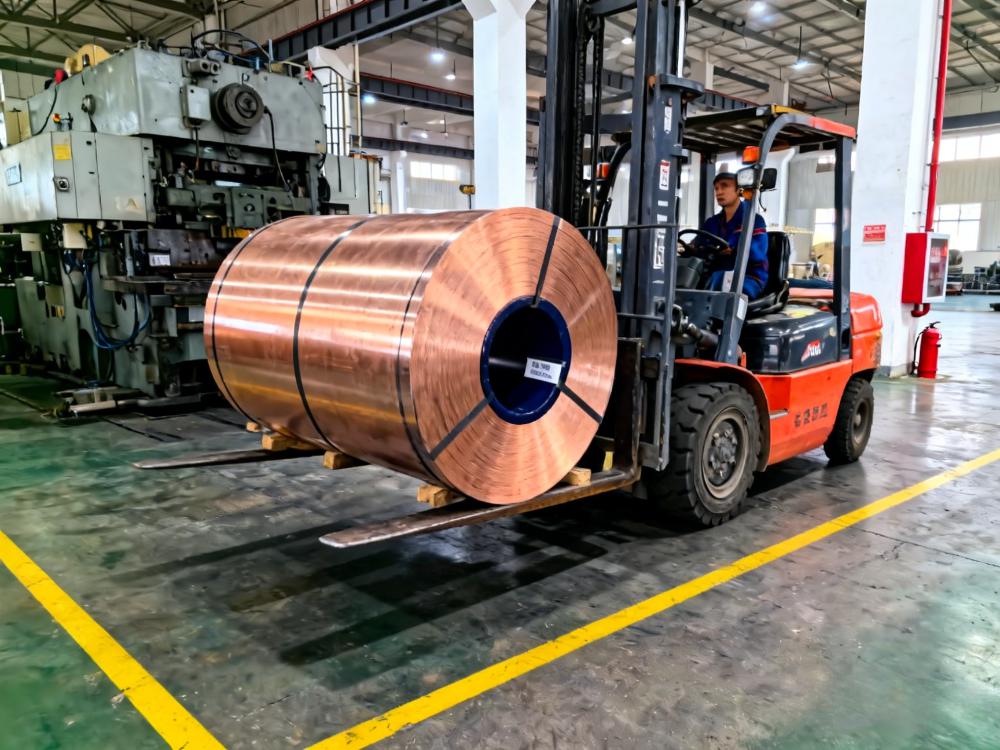
![Tồn kho xã hội đồng Trung Quốc tiếp tục giảm, xu hướng khu vực phân hóa rõ rệt [Số liệu tuần SMM]](https://imgqn.smm.cn/usercenter/YIaMU20251217171711.jpg)