

Sản lượng khai thác mỏ của Nam Phi giảm 9,6% trong tháng Hai, có thể ảnh hưởng đến GDP quý I năm 2025.
Theo dữ liệu từ Cục Thống kê Nam Phi, sản lượng khai thác của nước này trong tháng Hai giảm mạnh 9,6%, cho thấy hiệu suất đáng lo ngại của ngành khai thác trong quý I, có thể tác động tiêu cực đến GDP thực tế trong quý đầu tiên của năm nay.
Đáng chú ý là mặc dù giá hầu hết các mặt hàng nguyên liệu thô thấp trong năm 2024, ngành khai thác vẫn đóng góp quan trọng vào GDP của Nam Phi, chiếm khoảng 6% (433 tỷ rand). Năm ngoái, tổng xuất khẩu khoáng sản vượt quá 774 tỷ rand, với đóng góp thuế đáng kể. Trong lĩnh vực PGM, nhóm sử dụng lao động lớn nhất trong ngành khai thác Nam Phi, đang cắt giảm sản lượng để thích ứng với môi trường nhu cầu không chắc chắn. Tuy nhiên, kể từ năm 2025, giá rand của platin, palladi và rhodi đã tăng do dự đoán tốc độ chấp nhận xe điện bên ngoài Trung Quốc chậm lại, điều này đã tạo ra không gian thở cho PGMs sử dụng trong xe động cơ đốt trong. Tuy nhiên, sự bất ổn về thuế quan đã khiến các nhà sản xuất lớn không muốn tăng sản lượng trong ngắn hạn.
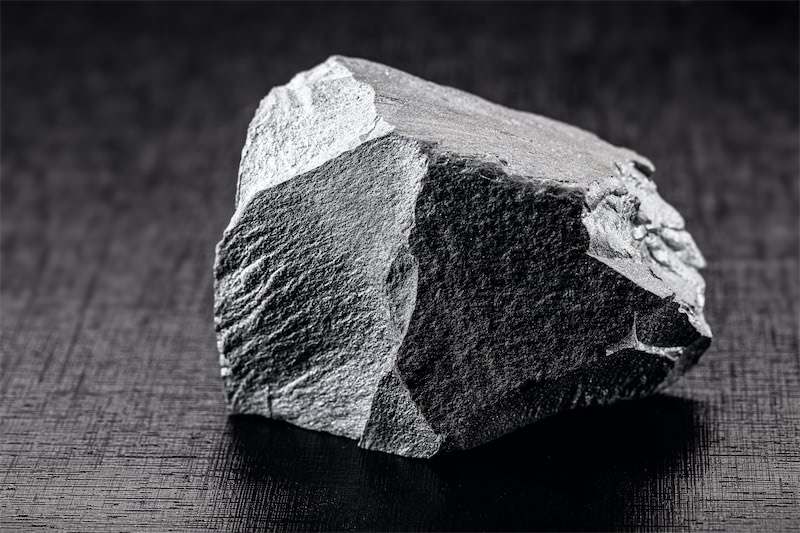
Về sản lượng quặng sắt, sự sụt giảm được quy cho việc cắt giảm sản lượng và tái cơ cấu doanh nghiệp của các công ty như Kumba Iron Ore, chủ yếu do hạn chế vận chuyển đường sắt ảnh hưởng đến xuất khẩu hơn là thay đổi nhu cầu thị trường. Là một công ty con của Anglo American, một trong những nhà sản xuất quặng sắt lớn nhất thế giới, công ty đã điều chỉnh dự báo sản lượng cho năm nay từ 39-41 triệu tấn xuống còn 35-37 triệu tấn. Đang có nỗ lực cải thiện vận chuyển đường sắt, nhưng kết quả cụ thể sẽ mất thời gian. Các nhà sản xuất quặng đã đề xuất cấp quyền truy cập cho bên thứ ba vào các tuyến đường sắt của tập đoàn vận tải quốc doanh Nam Phi.
Trên cơ sở hàng tháng, sản lượng giảm ở 9 trong số 12 tiểu ngành khai thác vào tháng Hai. Annabel Bishop của Investec cho biết, lo ngại về tăng trưởng kinh tế toàn cầu do thuế quan Mỹ đã tác động tiêu cực đến giá hàng hóa và các loại tiền tệ liên quan, tỷ giá rand cũng bị ảnh hưởng, làm tăng giá nhiên liệu và thực phẩm. Tuy nhiên, xét đến nền kinh tế Nam Phi được thúc đẩy bởi tăng trưởng tiêu dùng và có nhiều đối tác thương mại, nền kinh tế trong nước không được kỳ vọng rơi vào suy thoái.
Tuyên bố về Nguồn Dữ liệu: Ngoại trừ thông tin công khai, tất cả dữ liệu khác được SMM xử lý dựa trên thông tin công khai, giao tiếp thị trường và dựa trên mô hình cơ sở dữ liệu nội bộ của SMM. Chúng chỉ mang tính chất tham khảo và không cấu thành khuyến nghị ra quyết định.
Để biết thêm thông tin hoặc có thắc mắc gì, vui lòng liên hệ: lemonzhao@smm.cn
Để biết thêm thông tin về cách truy cập báo cáo nghiên cứu, vui lòng liên hệ:service.en@smm.cn
Tin Liên Quan
![[SMM Tin nhanh Than] Doanh số than cốc đã rửa quý 3 của Mongolian Mining giảm 26% so với quý trước xuống còn 2 triệu tấn](https://imgqn.smm.cn/usercenter/gmcdk20251217171720.jpg)
16 Oct 2026 18:36 (GMT+8)
[SMM Tin nhanh Than] Doanh số than cốc đã rửa quý 3 của Mongolian Mining giảm 26% so với quý trước xuống còn 2 triệu tấn
Đọc thêm
[SMM Tin nhanh Than] Doanh số than cốc đã rửa quý 3 của Mongolian Mining giảm 26% so với quý trước xuống còn 2 triệu tấn
Công ty Khai thác Mông Cổ đã bán 1,997 triệu tấn than cốc đã rửa trong quý III năm 2026, giảm 26% so với quý trước và giảm 13% so với cùng kỳ năm ngoái. Sản lượng khai thác than nguyên khai tăng 8% so với quý trước lên 4,79 triệu tấn, trong khi sản lượng than cốc đã rửa giảm 11% xuống còn 2,50 triệu tấn.
16 Oct 2026 18:36 (GMT+8)
![[SMM Bản tin hàng tuần quặng sắt] Đà giảm của quặng sắt chậm lại khi sản lượng gang ổn định và tồn kho cảng tăng](https://imgqn.smm.cn/usercenter/rKOND20251217171716.jpg)
16 Oct 2026 18:01 (GMT+8)
[SMM Bản tin hàng tuần quặng sắt] Đà giảm của quặng sắt chậm lại khi sản lượng gang ổn định và tồn kho cảng tăng
Đọc thêm
[SMM Bản tin hàng tuần quặng sắt] Đà giảm của quặng sắt chậm lại khi sản lượng gang ổn định và tồn kho cảng tăng
16 Oct 2026 18:01 (GMT+8)
16 Oct 2026 18:00 (GMT+8)
Báo cáo quặng sắt hàng ngày MMi (ngày 16 tháng 10)
Đọc thêm
Báo cáo quặng sắt hàng ngày MMi (ngày 16 tháng 10)
Giá quặng sắt tương lai ổn định trong hôm nay. Hợp đồng I2701 được giao dịch nhiều nhất trên Sở Giao dịch Hàng hóa Đại Liên chốt ở mức 672,5 nhân dân tệ/tấn, tăng 0,07% so với phiên trước. Giá giao ngay tại cảng Thanh Đảo tăng trung bình 2 nhân dân tệ/tấn. Thương nhân chào hàng khá tích cực và các nhà máy chủ yếu mua bổ sung để đáp ứng nhu cầu trước mắt. Giao dịch thưa thớt.
16 Oct 2026 18:00 (GMT+8)
Tin Liên Quan
[SMM Tin nhanh Than] Doanh số than cốc đã rửa quý 3 của Mongolian Mining giảm 26% so với quý trước xuống còn 2 triệu tấn
Oct 16, 2026 18:36 (GMT+8)
[SMM Bản tin hàng tuần quặng sắt] Đà giảm của quặng sắt chậm lại khi sản lượng gang ổn định và tồn kho cảng tăng
Oct 16, 2026 18:01 (GMT+8)
Báo cáo quặng sắt hàng ngày MMi (ngày 16 tháng 10)
Oct 16, 2026 18:00 (GMT+8)
[SMM Analysis] Động lực thay đổi chưa đủ, giá thép silicon định hướng hạt có thể vẫn ảm đạm trong tháng 10
Oct 16, 2026 17:30 (GMT+8)