Rare earth elements play a crucial role in various industries, driving technological advancements and sustainable practices. The fluctuations in rare earth prices have been a topic of interest, with recent trends showing significant changes. Understanding the market influences behind these rare earth price shifts is essential for stakeholders to navigate this dynamic landscape effectively.
Factors Influencing Rare Earth Prices

Industrial Demand
The demand for rare earth elements from various industries significantly impacts their prices. Specifically, the rise in popularity of Electric Vehicles (EVs) and the increasing focus on Wind Power have been key drivers of this demand surge. Elements such as neodymium help to the production of clean energy by letting power flow through these engines. The addition of rare earth materials into green energy structures shows their value in promoting eco-friendly options.
Electric Vehicles
The car industry's shift towards electric vehicles has been a major driver for the higher demand for rare earth elements.
The shift away from traditional fossil fuel-powered vehicles towards EVs has led to a surge in the need for components like batteries and motors that rely heavily on rare earth materials. This rise in demand has put pressure on the global supply line, hurting rare earth prices globally.
Wind Power
Another significant factor influencing rare earth prices is the growing emphasis on renewable energy sources such as wind power. The making of wind mills needs many rare earth elements to ensure efficiency and performance. Experts expect that rare earth prices will need to grow greatly to support the growth of new projects.
Production Challenges
In addition to fluctuating demand, production challenges also play a crucial role in determining rare earth prices. Issues related to Mining and Extraction, as well as Separation and Purification, can impact both supply levels and production costs. An abundance of rare earth metals is one of the main causes of price drops.
Mining and Extraction
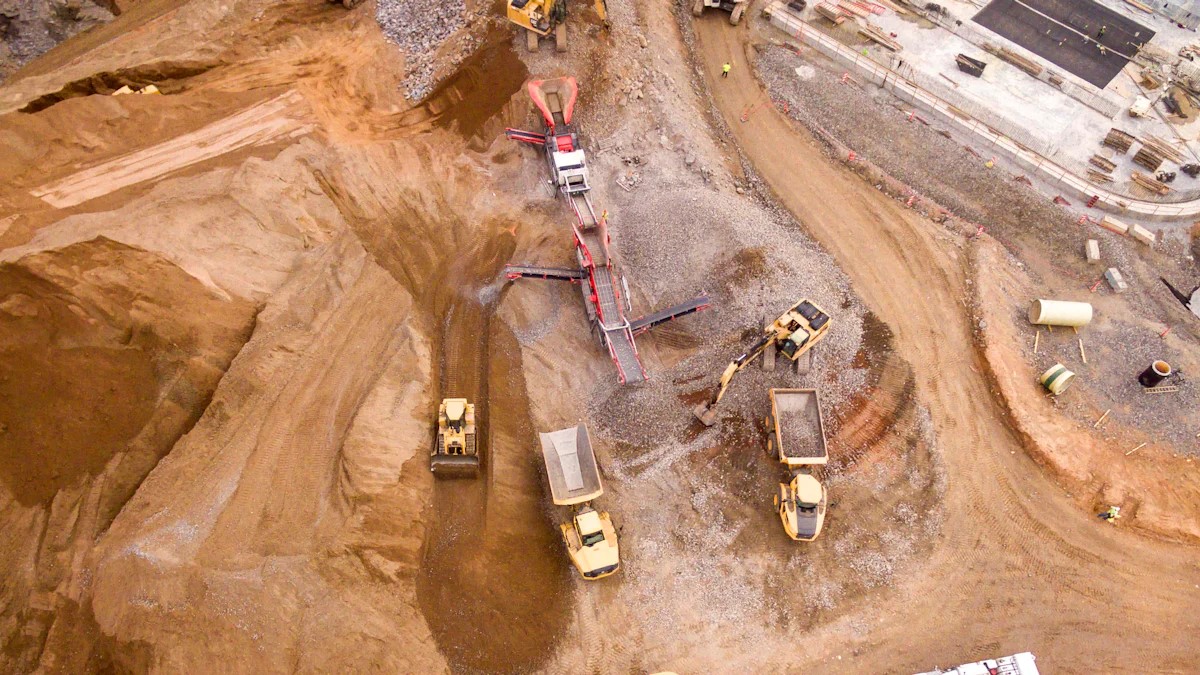
The process of mining and collecting rare earth elements is complicated and often faces environmental and economic obstacles. Ensuring a solid supply chain while conforming to environmental requirements creates issues for companies. Recent studies have shown that most rare earth elements are in critically short supply due to market developments over recent decades.
Separation and Purification
Once mined, separating and purifying rare earth elements is a resource-intensive process that contributes significantly to production costs. The difficulty in reaching high purity levels adds complexity to the manufacturing chain, influencing both cost and availability in the market.
Market Dynamics
The dynamics within the rare earth market also influence price fluctuations significantly. Factors such as Supply Chain Issues and Economic Conditions can create volatility within this sector.
Supply Chain Issues
Disruptions along the global supply chain can have ripple effects on rare earth prices worldwide. Trade policies, geopolitical tensions, or unexpected events can lead to sudden shifts in availability or pricing, impacting stakeholders across industries.
Economic Conditions
Economic factors play a vital role in determining the trajectory of rare earth prices. Market speculation during periods of economic growth can drive up prices, while downturns may lead to decreased demand and subsequent price drops.
Industrial Demand
Technology Sector
Smartphones and Gadgets
Essential components of phones and other devices, rare earth elements allow technology to be more compact and efficient.Seldom used in electronics, rare earth elements like neodymium and dysprosium show how vital they are to modern communication systems. As customer demand for advanced features grows, makers depend on these elements to drive innovation and meet market standards.
Renewable Energy Technologies
In the realm of renewable energy technologies, rare earth elements play a pivotal role in enhancing sustainability and efficiency. Wind turbines, a key component of renewable energy systems, heavily depend on rare earth metals for their permanent magnets. Elements such as neodymium help to the production of clean energy by enabling power transfer through these engines. The inclusion of rare earth materials into green energy infrastructure demonstrates their importance in promoting eco-friendly solutions.
Automotive Industry
Electric Vehicles
The automotive industry's shift towards electric vehicles has significantly increased the demand for rare earth elements, particularly in the manufacturing of EV motors. Neodymium-based magnets are vital for the performance of electric motors, showing the necessity of rare earth metals in constructing sustainable transportation solutions. As governments globally emphasise minimising carbon emissions, the adoption of electric automobiles continues to climb, further pushing the demand for rare earth elements.
Hybrid Vehicles
Hybrid vehicles represent another sector within the automotive industry that relies on rare earth elements to enhance fuel efficiency and reduce environmental impact. These cars combine rare earth metals in battery systems and electric components to improve performance while reducing reliance on traditional fossil fuels. The inclusion of rare earth materials into hybrid car systems shows their flexibility across various automobile uses.
Market Dynamics
In the realm of rare earth prices, market dynamics play a pivotal role in shaping the landscape for stakeholders and investors. Understanding the intricate interplay between global supply chains and economic factors is essential to navigate the complexities of this sector effectively.
Shanghai Metals Market (SMM) is an integrated internet platform provider for the nonferrous and ferrous metals industry. They provide standard prices, study, news, advice, and workshops related to the metals and mining business. With headquarters in Shanghai and branch offices in Yantai, Foshan, and Singapore, SMM has a significant presence in China's nonferrous, ferrous, and EV metal sectors. They have a broad network and deep-rooted ties throughout the global metal ecosystem. SMM's flagship site engages the most clients in the Chinese metals business and attracts a huge number of unique daily visitors. They give accurate and unbiased information via their compliance rules and processes, maintaining the highest standards for their consumers.
SMM offers standard prices for rare earth metals, giving a trusted and complete guide for the business. These benchmark prices are derived through SMM's rigorous and market-tested mechanism called the SMM Benchmark Methodologies. With the aim of establishing a scientific basis for pricing aligned with China's metals market, SMM collaborates with all market participants in the metals industry to ensure accuracy and transparency in their price assessments.
The rare earth prices provided by SMM are crucial for various stakeholders in the industry. Producers, traders, and consumers can rely on these benchmark prices to negotiate contracts, settle prices, and make informed decisions. SMM's extensive network and deep-rooted relationships in the nonferrous and EV metal industries enable them to gather the most adequate, comprehensive, and timely market information for accurate price assessments. By providing transparent and impartial rare earth pricing, SMM helps to a fair and efficient market, easing transactions and lowering risks for all participants.
Global Supply Chain
When examining the global supply chain for rare earth elements, it becomes evident that trade policies and geopolitical tensions can have profound implications on price fluctuations.The recent efforts of the US Department of Commerce highlight the strategic actions needed to guarantee a steady supply of rare earths. Building other supply lines outside of China, coming up with recycling methods, and entering local deposits are all part of this. Such steps aim to reduce dependency on specific areas, thereby reducing risks connected with supply outages.
Trade Policies
Trade policies serve as a critical driver in shaping the availability and pricing of rare earth materials globally. The DOD's attempts to create domestic rare earth element supply lines show a change towards building self-sufficiency within the industry. By supporting 'mine-to-magnet' capacity at all key parts of the supply chain, the US aims to improve its stability against foreign market forces.
This smart move not only provides a stable source of rare earth elements but also supports national security interests.
Geopolitical Tensions
Geopolitical battles can bring big risks into the rare earth market, leading to change in price and supply. Recent talks surrounding China's ban on rare earth mining technologies have raised fears about possible breaks in global supply lines.
In response, efforts such as the US infrastructure plan favour growing local activity in the rare-earth sector. By adding rare earth factors into wider economic strategies, governments aim to protect against global risks and trade problems.
Economic Factors
Economic growth and market speculation are key determinants influencing rare earth prices worldwide. The evolving economic landscape shapes demand patterns and investment behaviors within this sector, driving both short-term fluctuations and long-term trends.
Economic Growth
The trajectory of rare earth prices often mirrors broader economic conditions, with periods of growth correlating with increased demand for these critical materials. As economies expand, industries reliant on rare earth elements experience heightened activity, placing upward pressure on prices. The Biden administration's emphasis on enhancing US involvement in the rare-earth supply chain underlines a strategic approach to align economic growth with resource security objectives.
Market Speculation
Market speculation introduces an element of uncertainty into rare earth price forecasts, influencing investor sentiment and trading behaviors. Initiatives such as Lynas Rare Earth Mine Expansion reflect responses to escalating market demand for these materials driven by speculative forces. By expanding organizations involved in sourcing rare earth elements, countries seek to diversify their access points and achieve greater self-sufficiency in critical resources.
The Rare Earth Elements market share growth in APAC will be significant during the forecast period. China, as the key country for the Rare Earth Elements market in APAC, will drive faster growth compared to other regions. The growing population, rising disposable income, and improving economic scenario are set to fuel market expansion in the region. According to the International Energy Agency, demand for rare earth elements is expected to reach three to seven times current levels by 2040. Delivering on the 2016 Paris Agreement would necessitate a quadrupling of the global mineral supply within the same timeframe.

![Giá quặng tăng nhẹ, Pr-Nd giằng co đi ngang, phế liệu tăng trước rồi ổn định [Điểm tin tuần Đất hiếm tái chế SMM]](https://imgqn.smm.cn/usercenter/tXtym20251217171745.jpeg)
![Giá quặng tăng nhẹ, Pr-Nd đi ngang, đất hiếm nặng trung bình phân hóa [SMM Điểm tin đất hiếm tuần]](https://imgqn.smm.cn/usercenter/fpsaU20251217171745.jpeg)