Exploring the Basics of Tin as a Commodity
Tin, a versatile and valuable commodity, plays a pivotal role in various industries, including electronics, automotive, and packaging. Its significance stems from its unique properties that make it indispensable in modern manufacturing processes.
What is Tin?
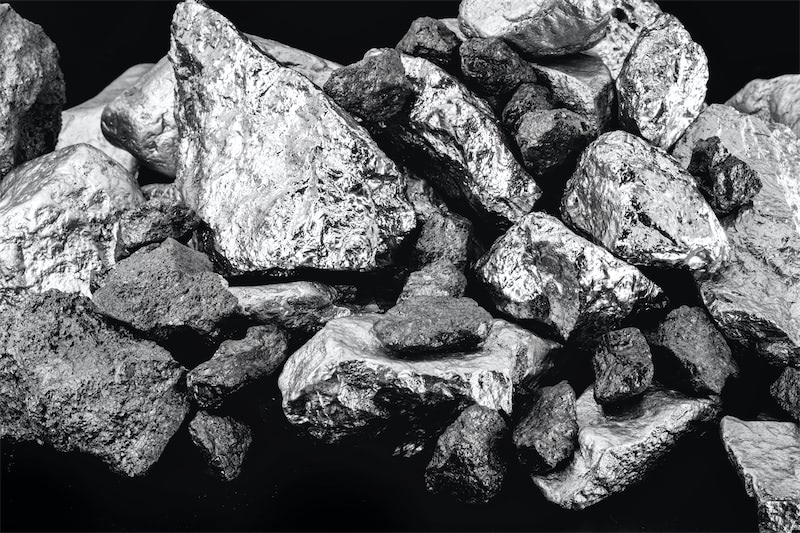
Tin is a silvery-white metal known for its malleability and low melting point. It has been used since ancient times for various applications due to its corrosion-resistant nature and ability to form alloys with other metals. In today's world, tin is primarily utilized in soldering, tin plating, and as an alloy for producing electronic components, automotive parts, and packaging materials.
Tin's Role in Today's World
The electronics industry heavily relies on tin for the production of electronic devices. The solder-making process extensively utilizes tin to join electronic components on circuit boards. This vital role in ensuring dependable and effective electronic devices propels the demand for tin in the market.
Moreover, the automotive sector benefits from tin's use in producing various components such as bearings and connectors. Additionally, tin finds extensive application in the packaging industry due to its ability to prevent corrosion and provide a protective coating.
The Journey of Tin: From Ore to Market
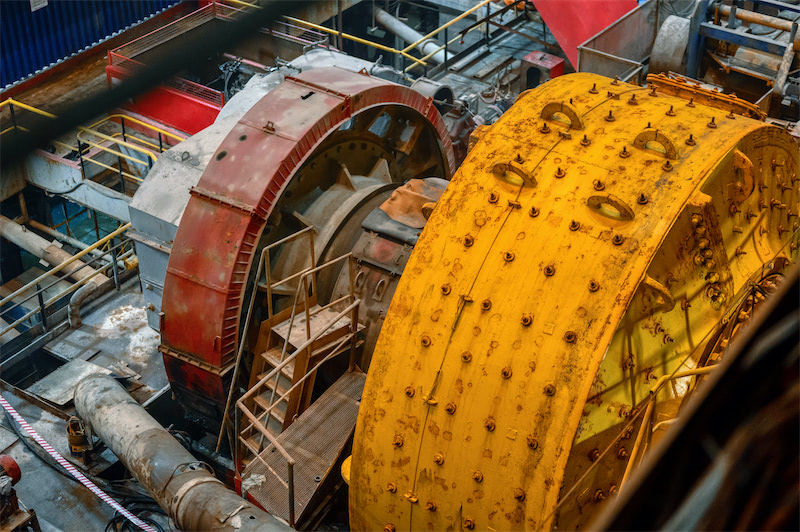
Tin is predominantly obtained from mineral ores such as cassiterite. The extraction process involves smelting the ore to obtain refined tin that meets industrial standards. Once refined, it is distributed across global markets to cater to diverse industrial needs.
Why Tin Prices Matter
Impact on the Electronics Sector
Given its crucial role in soldering and electronic component manufacturing, fluctuations in tin prices directly influence production costs within the electronics sector. As a result, manufacturers closely monitor tin prices to assess their impact on overall operational expenses.
Significance for Investors and Manufacturers
For investors, understanding tin prices is essential for making informed decisions regarding commodity investments. Manufacturers also track tin prices diligently as they directly impact production costs and profit margins.
Understanding Tin Prices
The Current State of Tin Prices
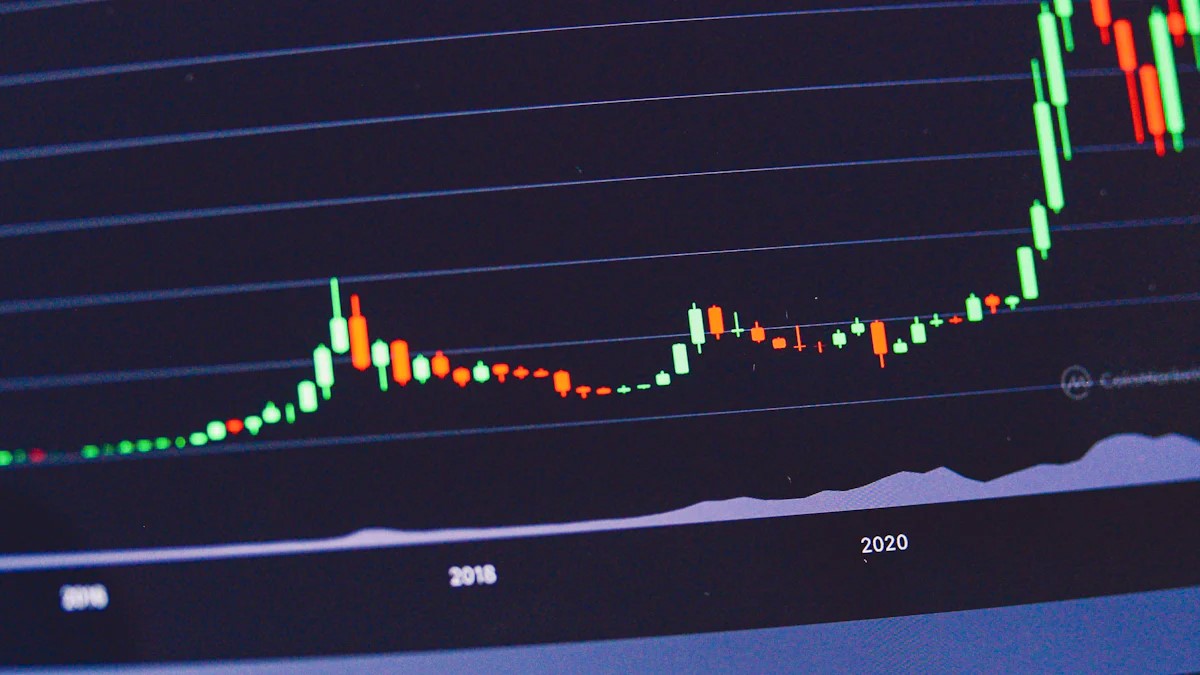
In recent years, the tin market has experienced a deficit, with supply forecasted to decline by 1% annually due to grade depletion and reserve decline. This trend has contributed to the dynamic nature of tin prices, impacting various industries that rely on this essential commodity. In April, tin prices averaged USD31,844.76 per metric ton, marking a 16.03% increase from March. On 15th April alone, the commodity traded at USD 35,675 per metric ton, significantly up from last month.
Analyzing the Live Spot Price Chart
The relatively low annual production and minimal exchange inventories have led to increased market tightness and higher prices. Any slowdown in supply directly influences market conditions, leading to heightened price levels. These fluctuations are crucial for investors and manufacturers to monitor closely as they impact operational costs and investment decisions within the commodities market.
Historical Data and Trends
Examining historical data on tin prices provides valuable insights into long-term trends and patterns within the commodity market. Understanding past price movements is essential for making informed decisions regarding future investments and market strategies. The historical context of tin prices offers a comprehensive view of how various factors influence its value over time.
Measuring Tin's Value
Price Per Ton, Pound, and Ounce
The measurement of tin's value is commonly expressed in terms of price per ton, pound, or ounce. This diverse unit representation allows for a comprehensive understanding of its market value across different scales. Investors and stakeholders utilize these measurements to assess potential profitability and make strategic decisions based on varying quantities.
The 2023 Benchmark
In 2023, the average price for tin stood at 26,000 nominal U.S. dollars per metric ton. This benchmark serves as a critical reference point for evaluating current price levels in relation to historical data and industry standards.
Factors Influencing Tin Prices
Supply and Demand Dynamics
The tin market is subject to the intricate interplay of supply and demand dynamics, which significantly influence its pricing trends.
Supply Headwinds and Production Quotas
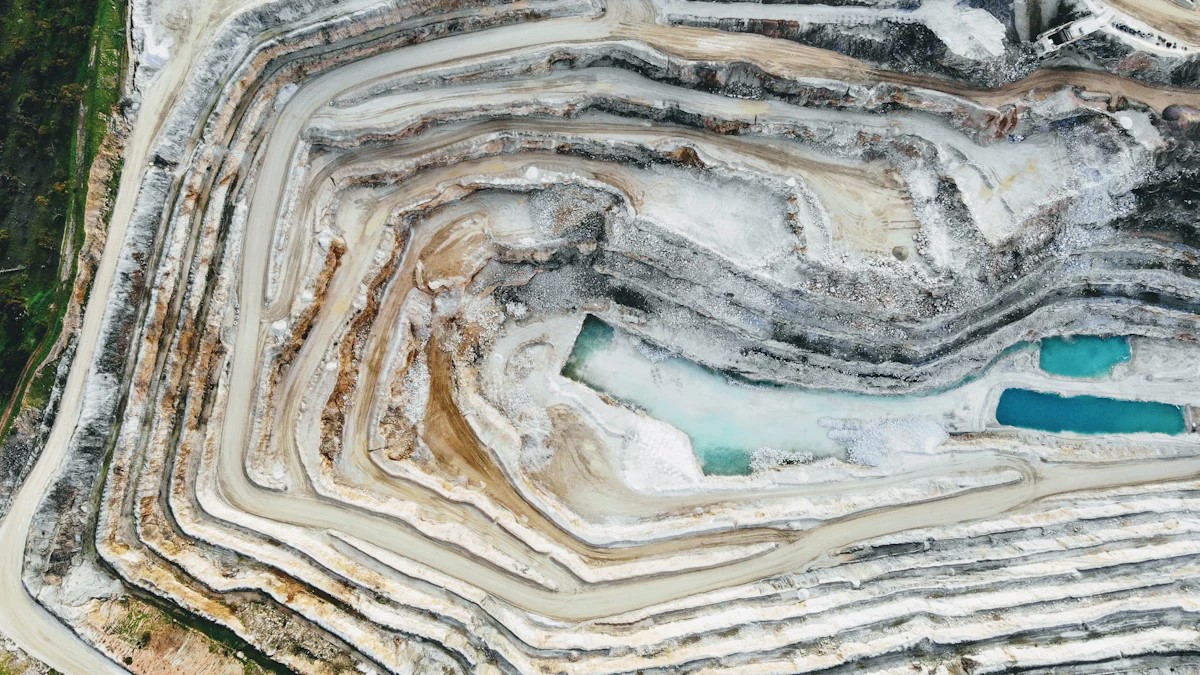
Industry experts have highlighted the impact of supply headwinds on the tin market, with factors such as grade depletion and reserve decline contributing to a forecasted annual supply decrease of 1%. Additionally, production quotas in key producing countries like Indonesia further compound the challenges associated with maintaining consistent supply levels. These constraints exert pressure on the market, leading to heightened price levels and increased volatility.
Demand Recovery in Key Sectors
According to insights from Mordor Intelligence™ Research Experts, the tin industry is experiencing rising demand driven by the growing electronics and renewable energy sectors. The surge in global demand for smartphones and electronic products has positioned tin as a crucial component in soldering, tin plating, and alloy production for electronic components. Furthermore, the automotive and packaging sectors also contribute to this demand recovery, emphasizing tin's versatility across diverse industries. As these key sectors continue to drive demand growth, the market experiences heightened price levels due to increased competition for limited supply.
Global Economic Influences
In addition to supply and demand dynamics, global economic influences play a pivotal role in shaping the trajectory of tin prices.
Macroeconomic Models and Analyst Expectations
Macroeconomic models provide valuable insights into the broader economic landscape that impacts tin prices. Analyst expectations regarding economic indicators such as GDP growth rates, inflation levels, and currency exchange rates directly influence investor sentiment and commodity pricing. The integration of these models allows stakeholders to gauge potential shifts in market conditions and make informed decisions based on anticipated economic developments.
Market Demand and Price Fluctuations
The global tin market is witnessing significant growth propelled by surging demand in the electronics, automotive, and packaging sectors. This trend aligns with an all-time high in tin prices attributed to robust market demand. The increasing adoption of sustainable practices within these industries further emphasizes responsible sourcing of essential commodities like tin. As a result, price fluctuations are influenced not only by immediate market conditions but also by long-term sustainability initiatives that shape consumer preferences and industry standards.
Staying Informed About Tin Market Trends
Monitoring the Tin Price Index
As the global tin market experiences significant growth driven by surging demand in the electronics, automotive, and packaging sectors, it becomes crucial for stakeholders to monitor the tin price index effectively. Real-time data tools and resources play a pivotal role in providing up-to-date information on the current market value of tin per ton or per pound. By utilizing these resources, investors and manufacturers can gain valuable insights into the dynamic trends influencing the tin metal market and its future in the global economy.
Tools and Resources for Real-Time Data
Access to real-time data is essential for staying informed about tin market trends. Utilizing reliable platforms that offer live spot price charts, historical data analysis, and comprehensive market reports enables stakeholders to make well-informed decisions regarding commodity investments and production strategies. These tools provide a detailed overview of price movements, supply-demand dynamics, and macroeconomic influences that shape the trajectory of tin prices.
It's crucial to mention the significant role of platforms like Metal.com. This global non-ferrous metal trading platform provides real-time price information for various metals, including tin, offering invaluable insights into spot prices, futures prices, and market trends.
Metal.com, established in 2015, has become a leading resource for global metal suppliers and buyers, including those in the tin market. Its real-time data provision is a standout feature, offering a comprehensive view of the market and enabling traders and analysts to make informed decisions based on the most current information.
Beyond being a trading platform, Metal.com also simplifies the often complex logistics of metal transportation, making it a vital resource for tin market participants. Additionally, their financial services help manage market risks, adding an extra layer of security in this volatile market.
In essence, Metal.com is a comprehensive resource for understanding live tin prices and market trends. It offers a range of services designed to facilitate safer, more efficient, and more transparent transactions in the tin market, making it an invaluable tool for staying informed about tin market trends.
Forecasting Future Movements
Forecasting future movements in the tin market is vital for anticipating potential shifts in pricing trends. By leveraging advanced forecasting models and trend analysis techniques, stakeholders can gain valuable insights into upcoming market conditions. This proactive approach allows for strategic planning and risk management, empowering investors and manufacturers to adapt to changing market dynamics effectively.
Making Informed Market Decisions
In a dynamic market environment influenced by sustainability concerns and evolving industry standards, making informed market decisions is paramount for long-term success within the tin industry.
Understanding Market Volatility
The current landscape of the tin metal market is characterized by dynamic trends that influence its future in the global economy. The all-time high prices driven by rising demand from key sectors underscore the need to understand and navigate market volatility effectively. By comprehensively analyzing factors such as supply risks, political influences, recycling rates, and demand projections, stakeholders can develop a nuanced understanding of market volatility.
Planning for the Future
Strategic planning is essential for navigating through evolving industry dynamics. With innovations in lead-free solders, increased use of tin in solar energy applications, and growing demand from renewable infrastructure development projects, stakeholders must plan for sustainable growth while addressing challenges such as supply constraints and substitute availability. This forward-looking approach ensures resilience in adapting to changing market conditions while capitalizing on emerging opportunities within the tin industry.
By actively monitoring real-time data resources and embracing informed decision-making practices, stakeholders can navigate through dynamic trends shaping the tin metal market with confidence and foresight.