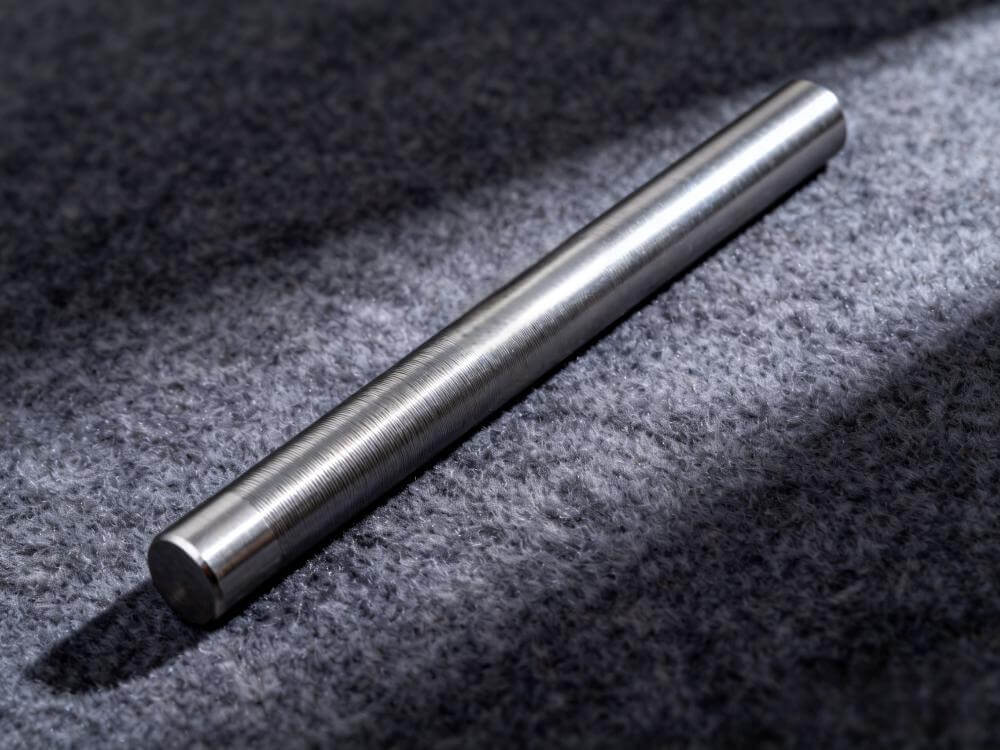
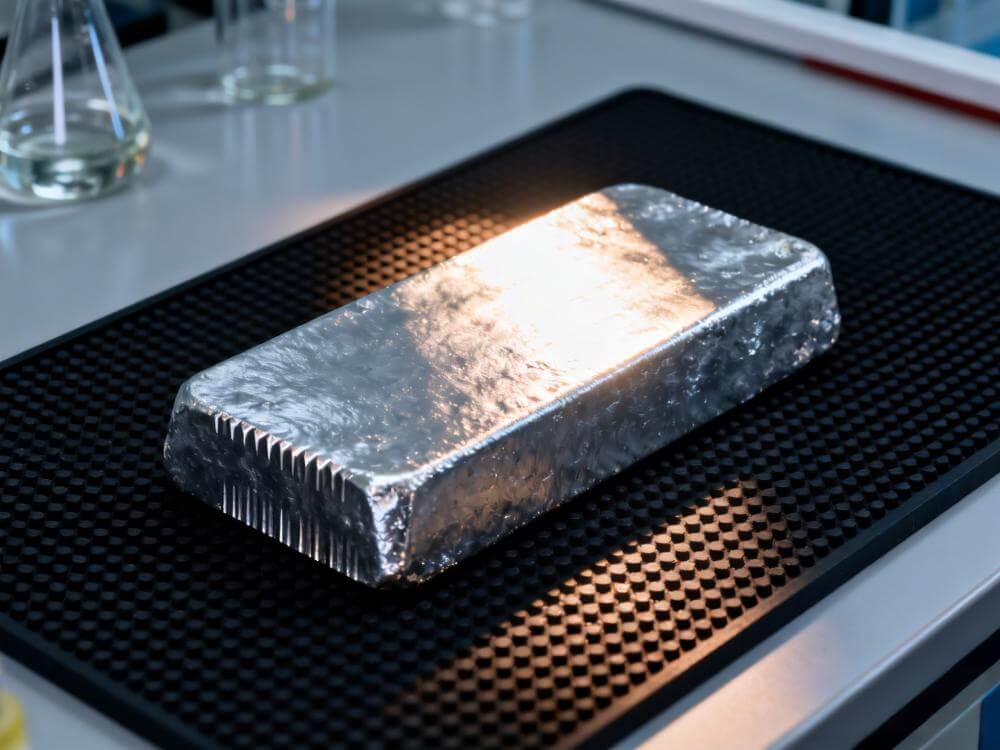
Titanium, a metal with high strength, corrosion resistance, lightweight and other characteristics, plays an increasingly important role in the global economy. As for the titanium price, there are some conventional factors such as macroeconomics, supply and demand. Also, there are many other factors closely related to the characteristics of titanium and the structure of the industrial chain. Combined with the information provided by SMM website, we can have a deeper understanding of these influencing factors.
Unique physical and chemical properties
Unique properties of titanium determine its application in certain specific fields. In particular, titanium is favored for its high strength and corrosion resistance features. Especially in aerospace and medical fields, where it has irreplaceable advantages. This continued growth in demand constitutes long-term support for titanium prices. However, the supply of titanium is limited by factors such as resource constraints, mining difficulties and processing costs.
Distribution and quality of titanium ore resources
Data provided by the SMM website shows that global titanium ore resources are mainly concentrated in certain countries and regions. This means that the supply situation in these regions has an important impact on the global titanium price. At the same time, the quality of titanium ore varies from region to region, and high-quality titanium ore tends to reduce production costs, thus exerting pressure on titanium prices. Therefore, investors need to pay attention to the distribution and quality of titanium ore resources when focusing on titanium prices.
Industry chain structure and processing technology
The titanium industry chain includes multiple links from titanium mining, smelting, and processing to final product manufacturing. The cost and technical efficiency of each link will have an impact on the price of titanium. For example, the improvement of smelting technology can reduce energy consumption and raw material consumption, thus reducing production costs and exerting pressure on titanium prices. In addition, with the development and application of new titanium alloys and the continuous improvement of titanium processing technology, the performance and application range of titanium materials have increased. This has simultaneously reduced production costs. All of these factors have helped stabilize or reduce titanium prices.
Production costs and environmental policies
Production costs and technological innovation are intrinsic drivers of titanium prices. The process of mining, processing and refining titanium consumes large amounts of energy and raw materials. When production costs rise, the supply of titanium may decrease, pushing up titanium prices. Conversely, when production costs fall, the supply of titanium may increase and titanium prices may fall.
As the global environmental awareness increases, the government's environmental requirements for the titanium industry chain are also increasing. This means that companies need to invest more money and technology to meet environmental requirements, which increases production costs. data from the SMM website shows that the implementation of environmental policies often leads to short-term fluctuations in titanium prices. In addition, the implementation of environmental policies in some regions may also lead to production cuts or shutdowns by titanium mining companies, further affecting titanium supply and prices.
Unique influencing factors of titanium industry chain
In addition to the above common factors, the titanium market also has some unique influencing factors, which may have a significant impact on the price of titanium under certain circumstances.
Distribution and quality of titanium ore resources
Titanium ore is the raw material for the production of titanium, and its distribution and quality have a direct impact on the cost of production and market supply of titanium. Certain regions are rich in titanium ore resources and have excellent quality, so the titanium production cost in these regions is relatively low, which has a certain suppression effect on the global titanium price. While resource-poor or poor-quality regions may face higher production costs and supply pressure, thus pushing up titanium prices.
Innovation and breakthroughs in titanium processing technology.
Titanium processing technology has an important impact on its application areas and market demand. With the continuous innovation and breakthroughs in technology, the processing cost of titanium is gradually reduced, and the application areas are also expanding. For example, the increasing demand for titanium in the field of aviation has pushed the continuous progress and innovation of titanium processing technology. These technological innovations and breakthroughs have not only improved the production efficiency and quality of titanium, but also lowered the cost, providing the possibility of stabilizing or decreasing the price of titanium.
International trade and geopolitical risks
As an important metal material, titanium occupies an important position in international trade. However, international trade frictions, geopolitical conflicts and other factors may have an impact on the transnational supply chain of titanium, affecting the supply and price of titanium. In addition, competition in the international market can affect titanium prices. If a region's titanium products are competitive in the international market, titanium prices in that region may be supported.
Market psychology and speculative behavior
The psychological expectations and speculative behavior of market participants can also have an impact on titanium prices. When market participants are optimistic about the future price of titanium, they may increase their purchases, thus pushing up the titanium price. Conversely, if market participants are pessimistic about the future price of titanium, they may reduce the amount they buy or increase the amount they sell, resulting in a decline in the price of titanium. In addition, some speculators may take advantage of factors such as market supply and demand conflicts or information asymmetry to engage in speculative trading, causing titanium prices to fluctuate.
Conclusion
To summarize, the factors affecting titanium prices are numerous and complex. In addition to macroeconomics, supply and demand and other conventional factors, there are titanium itself, the characteristics of the industry chain structure, environmental policy, international trade, market psychology, as well as speculative behavior and other closely related factors. In order to better grasp the titanium price dynamics and market trends, we need to pay close attention to the changes in these factors, and combine them with the SMM website for comprehensive analysis. At the same time, investors and industry chain participants also need to maintain a keen market insight and risk awareness to cope with possible market fluctuations and risk challenges.
![Doanh số mua sắm dịp lễ thấp hơn kỳ vọng; thị trường titan vẫn ổn định [Báo cáo giá titan giao ngay SMM]](https://imgqn.smm.cn/usercenter/HGHao20251217171725.jpg)