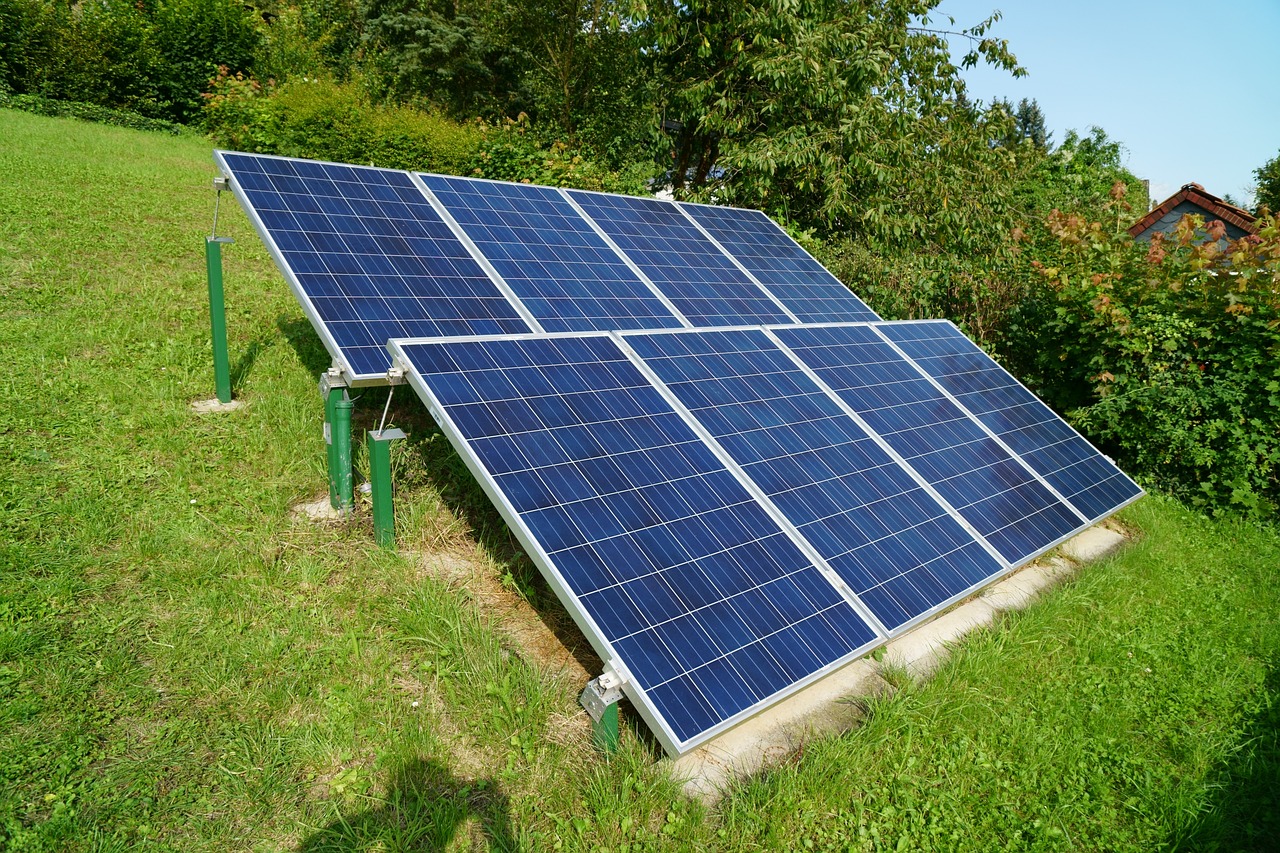
During the Chinese New Year, the production schedules of industrial silicon, polysilicon, silicon wafers, and EVA/POE will be less affected. The overall operating rate will be flat from the previous year. However, silica mining has been suspended for the CNY holiday. Batteries, modules, films, glass, solder ribbons, and silver powder, silver paste and inverter plants plan to close for CNY, and output has dropped significantly. In terms of terminals, many projects are rushing to connect to the grid in advance before the Chinese New Year. Most terminal projects began to suspend construction, project construction workers began to return home one after another, and project procurement and delivery requirements were also suspended.
Silica
Due to the ban on firecrackers during the Chinese New Year, some mines have begun to suspend production this week. However, there are many silica stocks at the mines, and most silica orders are scheduled until after the Chinese New Year. Shipping capacity has been tightening since this week, and the delivery of raw material orders has been suspended. In addition, downstream industrial silicon manufacturers will maintain production during the Chinese New Year. However, with the supply of raw materials limited, downstream silicon companies will mostly consume silica in stock in the near future. Silica raw materials may be in demand after the holiday.
Industrial silicon metal
Industrial silicon manufacturers will maintain normal production during the Chinese New Year holiday. Some silicon companies undergo maintenance or increase production before and after the Chinese New Year, which will have a limited impact on the overall operating rate fluctuations. The supply of industrial silicon remains strong in the north and weak in the south. The operating rate during the dry season in Sichuan and Yunnan remains low. There will be little intention to resume production from February to March against losses due to low silicon prices. Downstream users have completed stocking up for the Chinese New Year. Polysilicon and organic silicon companies will maintain normal production during the Chinese New Year. Aluminum alloy companies will shut down around the Chinese New Year based on their own circumstances.
Polysilicon
During the Chinese New Year holiday, mainstream polysilicon companies have no plans to suspend production. Only some companies are still in the maintenance or shutdown technical transformation cycle. The overall impact on supply and demand is not significant. In February, the supply of domestic polysilicon companies will continue to increase and is expected to reach more than 160,000 tons. Affected by transportation and holidays during the Chinese New Year, downstream delivery operations will slow down, and polysilicon inventory may increase to a certain extent. From February to March, 2-3 new polysilicon production bases will be put into operation.
Silicon wafer
At present, silicon wafer pulling companies have no obvious plans to suspend production during the Chinese New Year, and will produce in shifts. Due to the restocking of battery cells and the absence of inventory pressure, the current silicon wafer production schedule in February remains at a high level. In Qujing, affected by the power outage and stuffy furnaces, production schedules still increased slightly compared with January. SMM believes that silicon wafers will face a greater risk of inventory accumulation in early February, and there is a possibility of temporary reduction in later production schedules.
Solar cell
The battery cell production lines have been suspended since the end of January. Some bases were closed for the whole month, and some bases were closed for 8-15 days. The operating rate of leading battery company bases remained above 70%. Integrated module manufacturers had a holiday based on their own modules. The production line is scheduled to schedule battery production during the holidays. The battery production line operation rate of the head module factories is relatively high. The production lines that were halted will resume work one after another from the 15th to the 20th of February. The battery production schedule in February is around 42GW, but the actual output is expected to fall below 40GW. N-type battery cell production schedule in February accounted for 63%.
Module
Due to the recent weak terminal demand, coupled with losses and own inventory pressure, most module companies have arranged closures for the Chinese New Year holiday, and different production bases have successively reduced or suspended production. The number of closures days ranges from 7 to 10 days. Companies with fewer orders arrange holidays in advance and the number of vacation days exceeds 10 days. Affected by holiday factors, module operating rates dropped sharply in February. Some companies expected to reduce production schedules by 10%-20%, and in many cases by nearly 50%. SMM predicts that domestic module production in February may be less than 30GW, a decrease of about 20% from January.
EVA/POE/film
Petrochemical companies will maintain normal production during the Chinese New Year holiday, and the supply of EVA during the Chinese New Year will be normal. POE granules will be mainly traded in overseas markets, and relevant companies resume work on normal holidays according to legal holidays. In terms of films, due to the decline in orders in January and lower-than-expected orders in February, film factories have started to arrange holidays starting from January 31, with the holidays ranging from 9 to 18 days. Enterprises' EVA procurement ended in January. Due to the impact of demand, the start of production in February remains indeterminated.
PV glass
Currently, due to the special nature of photovoltaic glass kilns, production will remain normal during the Chinese New Year holiday. However, since January, four domestic kilns have been undergoing maintenance, resulting in a slight decline in the supply side. The subsequent supply will decrease slightly, but due to the relatively slow production schedule of modules in February, supply pressure is still high. Downstream procurement is mainly based on demand. Due to the reduction in production days in February, the total domestic photovoltaic glass production in February is expected to be approximately 2.2261 million tons.
Photovoltaic ribbon
Most welding ribbon companies will have normal holidays and shutdowns during the Chinese New Year. The holiday time is concentrated around February 7, and the vast majority of companies will resume work on February 18. A very few companies have not yet announced a holiday plan, and they still have production plans during the Chinese New Year holiday. First- and second-tier companies are optimistic about the post-holiday market and believe that the future demand for welding ribbons will be considerable. Some of them have plans to expand production in 2024. However, some small welding ribbon companies are pessimistic about the market and are preparing to find another way. The concentration ratio of the welding ribbon industry will further increase in 2024.
Silver paste
The production and sales departments of most domestic silver powder and silver paste companies will be closed from February 8th to 9th, and will resume from February 17th to 18th. Some leading companies or companies with large production schedules will start production earlier after the Chinese New Year to ensure supply. Due to the shutdown of logistics around the Lunar New Year, the stocking of raw materials and other materials in the market were completed last week or two weeks ago. Some companies also closed early due to low orders.
High-purity quartz sand
At present, some small enterprises of high-purity quartz sand companies have stopped working for the Chinese New Year. Due to the recent low willingness to purchase crucibles, the inventories of most sand companies have increased significantly, and the periodic shutdown has little impact. SMM predicts that the domestic production of high-purity quartz sand and quartz crucibles will still be nearly 9,600 tons in February.
Inverters
Inverter companies have different arrangements for the Chinese New Year holiday, based on their current orders and production arrangements for their production lines. Most enterprises will close for about 10 days. Some bases of individual companies will not cease production. It is currently the off-peak season, and some companies closed early due to the sluggish orders.
End applications
As the Chinese New Year approaches, many projects are rushing to connect to the grid in advance before the Chinese New Year. Most terminal projects began to suspend construction, as project construction workers began to return home one after another. For some projects with slow construction, in order to complete the grid connection as scheduled, they will remain in operation during the Chinese New Year holiday to catch up with the construction progress. Due to rain and snow in many places, photovoltaic projects will undergo comprehensive safety inspections before the holiday. Workers responsible for project operation and maintenance are also on standby during the holiday to prevent risks.
![[Solar: New Jersey thông qua luật điện mặt trời ban công]](https://imgqn.smm.cn/usercenter/GOtTW20251217171740.jpg)
![[Solar: Solar đạt mức phát điện cao mới tại Bồ Đào Nha vào tháng 8]](https://imgqn.smm.cn/usercenter/CpbPE20251217171736.jpg)
![[Solar: Thượng viện Brazil thông qua chế độ thuế trung tâm dữ liệu gắn ưu đãi với sử dụng năng lượng tái tạo]](https://imgqn.smm.cn/usercenter/mfLxa20251217171736.jpg)