Progress of Chinese hydrogen DRI project
Recently, the wholly-owned subsidiary of Hebei Bishi Group, Inner Mongolia (Naiman) Jing'an Nonferrous Metal Materials Co., Ltd., has obtained approval for the green hydrogen-2 million mt green electric furnace zero carbon short process casting project. According to public information, the project is planned to be located in Naiman Banner, Tongliao City, Inner Mongolia. The construction period is scheduled from October 2023 to September 2025, with a total investment of approximately 5 billion yuan. The project covers an area of 2.2 million square meters and includes the construction of a 72,000 Nm3/h (90,000 Nm3/h installed capacity) green electric water electrolysis hydrogen production facility, a 2 million mt EAF +LF short process casting facility (including casting heating, forging, and heat treatment), and the construction of 2× 500,000-mt green hydrogen vertical reduction furnaces for iron production, as well as 50,000 mt of high-purity/ultra-pure iron production, atomization, and related supporting infrastructure.
In May of this year, HBZX High Tech, a subsidiary of HBIS Group, put into operation an annual output of 600,000 mt of ENERGIRON® ZR zero-reforming DRI equipment. It is the world's first steel company to use mixed raw materials gas with over 60% hydrogen in the industrial base to produce DRI. With an emission of as low as 250 kg of carbon dioxide per mt of reduced iron produced, HBZX High Tech will become the lowest carbon industrial direct reduction plant in the world. In addition, carbon dioxide can be selectively recovered through the decarbonization device in the ENERGIRON® ZR zero-reforming technology process scheme, and some of it will be reused in downstream processes for carbon capture utilization and storage. Therefore, the final net emissions per mt of reduced iron can be reduced to 125 kg of carbon dioxide.
Besides HBZX High Tech, Baosteel Zhanjiang's DRI project is also under construction with a capacity of 1 million mt, and it is expected to be put into operation by the end of 2023 or 2024.
Currently, there are two DRI projects that have been put into operation in China, namely China Shanxi TaiHang Mining, which uses CSDRI technology, and HBZX High Tech, which uses ENERGIRON® ZR technology. In addition, there are 10 projects under construction in China. It is estimated that by 2030, China's direct reduction iron production capacity using hydrogen-based vertical furnaces will exceed 10 million mt. The expansion of this new capacity is not only supported by policies, but also forward-looking considerations on how steel companies can maintain their competitive advantage after the future implementation of carbon taxes.
Economic considerations: Carbon tax will undoubtedly become a key factor in the next round of capacity elimination for Chinese steel companies.
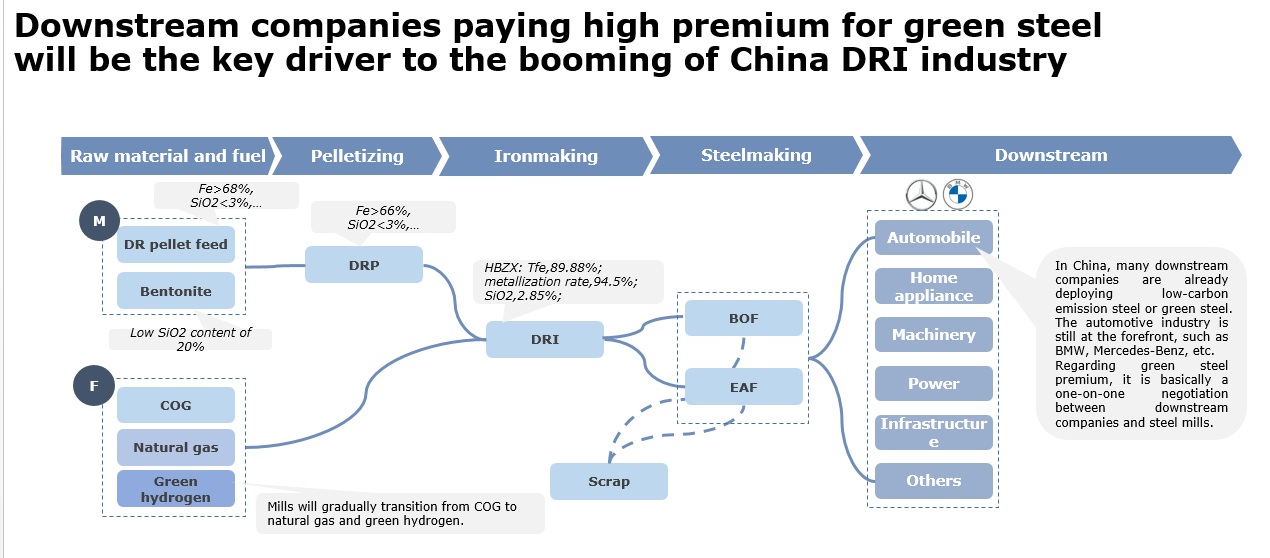
Currently, these types of companies are operating at a loss, and the downstream premium offered by companies cannot yet support the cost of green steel plants:
SMM has learned that the current cost of producing 1 mt of DRI using grey hydrogen is approximately 1000-1500 yuan higher than the cost of producing pig iron in a conventional blast furnace. If green hydrogen is used as fuel, the cost will be at least 2000 yuan higher than that of conventional pig iron.
In the future, with advancements in green fuel technology and improvements in its supply, this price difference will gradually narrow. According to SMM's cost model calculations, by 2030, the cost of producing DRI using grey hydrogen will only be slightly higher than that of conventional pig iron. If we further consider the downstream premium and carbon taxes, the profits of DRI companies will significantly improve.
Currently, downstream companies in China are willing to pay a premium to steel mills that is typically less than 10% of the price of finished steel products. Taking the automotive industry as an example, if the price of regular automotive sheet is around 7000 yuan, a steel mill producing automotive sheet using DRI can receive an additional premium of up to approximately 700 yuan. In comparison, similar European companies, such as SSAB, typically receive product premiums ranging from 20% to 30%.
Carbon is gradually becoming a new and increasingly important cost component in international trade, and the competitive advantage of low-carbon products is becoming more prominent.
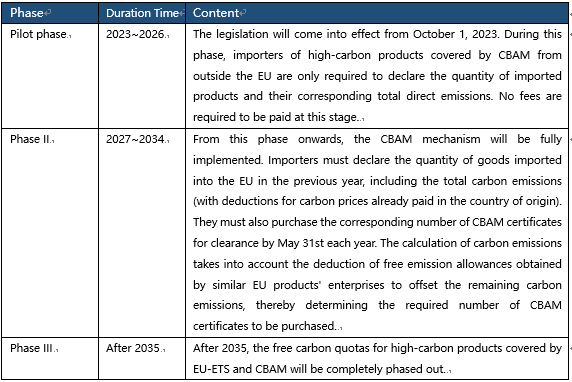
On April 25, 2023, the European Council adopted the EU Carbon Border Adjustment Mechanism (CBAM). The CBAM will be implemented starting from October 1, 2023, with a transition period from 2023 to 2025 during which only product carbon emissions need to be reported. From 2026 onwards, carbon tariffs will be formally imposed, and carbon quotas will gradually decrease. This will have a significant impact on sheet metal companies that rely heavily on exports. Meanwhile, at the end of June 2023, the second special research working meeting on the inclusion of the steel industry in the national carbon market was held domestically, marking the countdown to the inclusion of the steel industry in the carbon market.
According to the CBAM, starting from 2026, if the carbon price in the country of production is lower than that in the EU market, CBAM certificates will need to be purchased to make up for the price difference. The certificate price is related to the auction price of EU carbon quotas and will fluctuate (higher carbon prices will result in greater emission reductions).
If the average carbon emissions per mt of steel produced in China are 2.0 mt and the carbon price in the EU carbon market is €68/mt, the cost of exporting one mt of steel to the EU will increase by 136 euros, equivalent to at least 1000 yuan in carbon taxes.
The implementation of CBAM has prompted Chinese enterprises engaged in export business to proactively transform towards green production, such as Baosteel and HBIS Group. Carbon will become a new and increasingly important component of international trade costs, and the competitive advantage of low-carbon products will become increasingly prominent.
CBAM will also force the Chinese steel industry to be included in the national carbon market as soon as possible.
With the formal implementation of the EU CBAM, concerns among Chinese steel companies are increasing. When exporting to the European Union, the absence of domestic carbon pricing will result in additional costs.
In June 2023, the Institute of Environmental Planning of the Ministry of Ecology and Environment held the first and second working conferences on the inclusion of the steel industry in the national carbon market. Relevant authorities, industry associations, research institutions, and third-party verification organizations were invited to discuss key issues such as carbon accounting boundaries for the steel industry, allocation of quotas for different processes, and accounting reports. The conference proposed to promptly determine the main processes for carbon quota allocation in steel enterprises, allocation benchmarks, and methods for calculating carbon emissions, aiming to finalize the preliminary plan for the inclusion of the steel industry in the national carbon market.
Based on the recent work trends of government departments and the opinions of industry experts, it is expected that the implementation plan for carbon quota allocation in the steel industry will be formulated by the end of the 14th Five-Year Plan period. The steel industry will become one of the key emission-intensive industries included in the national carbon market after the power generation industry.
For steel mills that do not export to the European Union, transformation is also imminent.
It is certain that carbon taxes and considerations on corporate carbon emissions will become the most critical factors affecting the next round of consolidation in the Chinese steel industry, where larger companies acquire smaller ones.
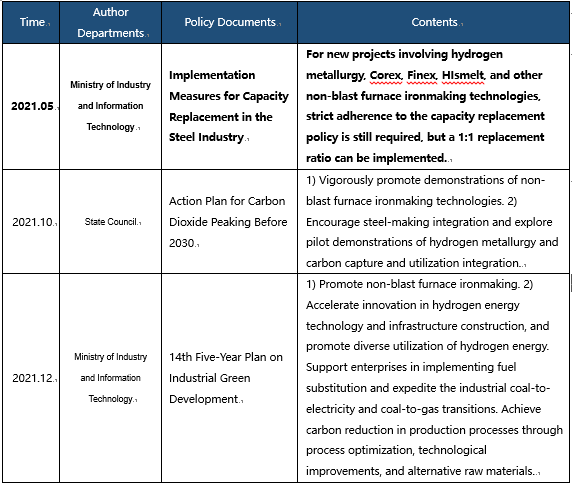
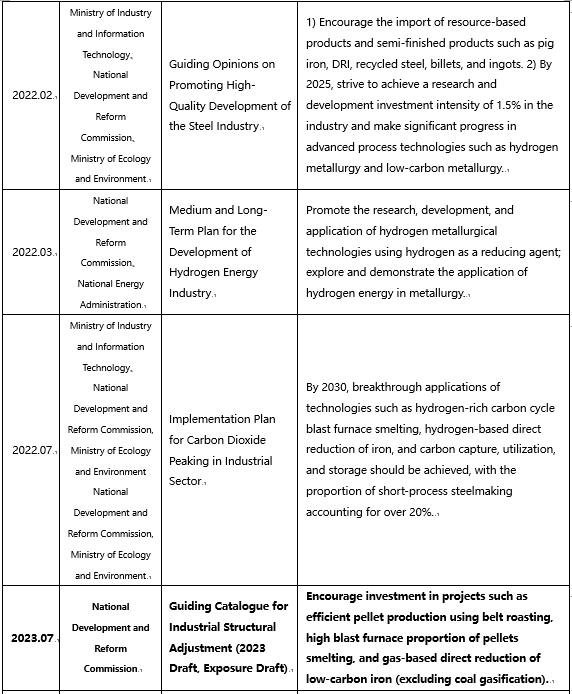
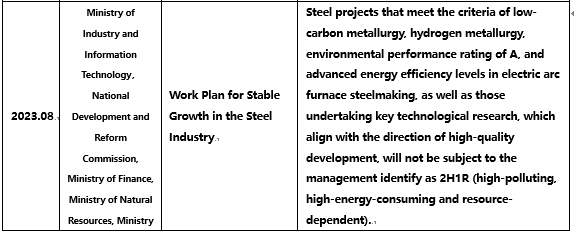
Policy Support

![[SMM Hot Topic] Rebar Base Price "Exists in Name Only," Pricing System Has Completely Changed](https://imgqn.smm.cn/usercenter/zbJUC20251217171718.jpg)
![Ferrous Metals Maintain Fluctuating Trend in the Short Term [SMM Steel Industry Chain Weekly Report]](https://imgqn.smm.cn/usercenter/PQDml20251217171747.jpg)