Key Takeaway from SMM 2023 Indonesia Nickel and Cobalt Industry Chain Conference: INSG Shares Insights on 2023 Global Nickel Market Outlook and Sees Supply Surplus  

Đã xuất bản: May 31, 2023 17:01
Nguồn: SMM
SHANGHAI, May 31 (SMM) – At the opening of the SMM 2023 Indonesia International Nickel and Cobalt Industry Chain Conference on May 30, SMM is honoured to have invited Luhut, Minister of the Coordinating Ministry of Maritime Affairs and Investment Republic Indonesia and several other important Indonesian government officials.

SHANGHAI, May 31 (SMM) – At the opening of the SMM 2023 Indonesia International Nickel and Cobalt Industry Chain Conference on May 30, SMM is honoured to have invited Luhut, Minister of the Coordinating Ministry of Maritime Affairs and Investment Republic Indonesia and several other important Indonesian government officials.

At the meeting, Ricardo Ferreira, director of market research and statistics of the International Nickel Study Group (INSG), has shared his views on the global nickel market outlook.
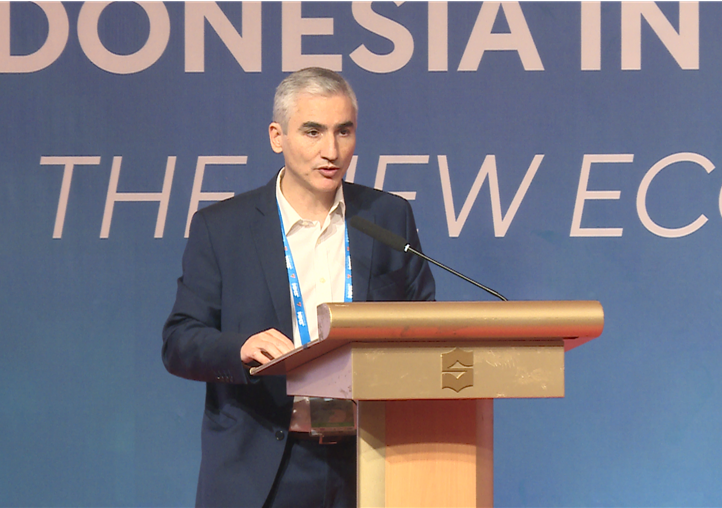


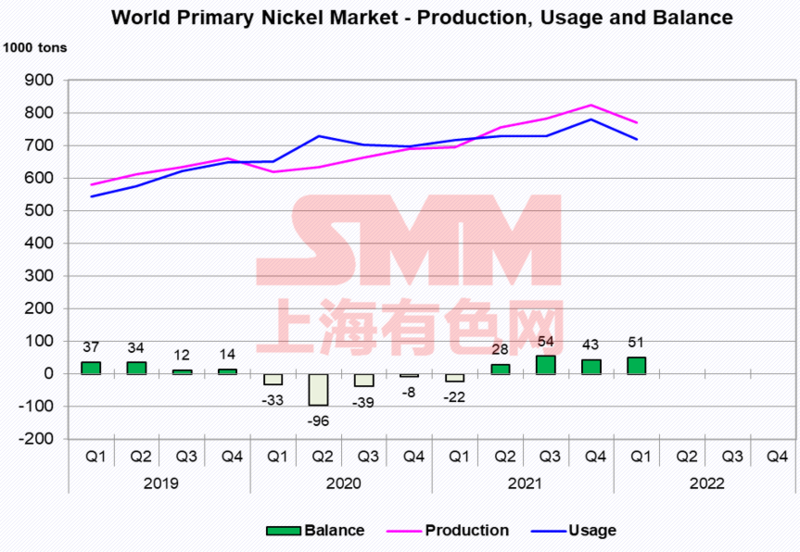
Ferreira said that due to the current economic environment, there is uncertainty in the commodity market. Nickel production will continue to grow strongly in 2023, but at a slower rate than in 2022. Nickel consumption will grow at a similar rate to 2022 in 2023 after being affected by the economic slowdown in 2022. After a deficit in 2021 and a surplus in 2022, the global nickel market is expected to be in surplus again in 2023.

Preliminary data show that there was a surplus of 51,000 mt in the primary nickel market in the first quarter of 2023, the fourth consecutive quarter of surplus. This suggests a substantial surplus in 2023.


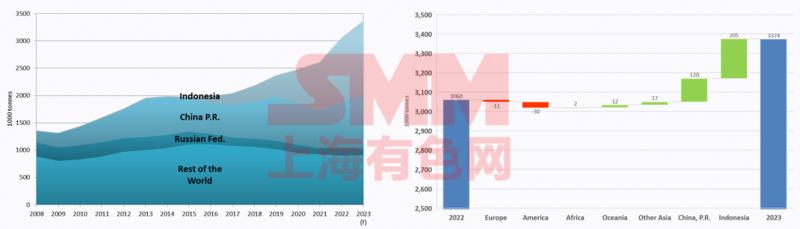
Global nickel mine production rose 10.9% and 18.6% respectively in 2021 and 2022, and is expected to grow 16.1% in 2023.

Indonesia is the world's largest nickel mining country and could account for 55% of global production by 2023 (49% in 2022). China-backed nickel pig iron (NPI) production and the HPAL projects are the main drivers for the increase in Indonesian output.

Preliminary data show that global nickel mine production increased 20% year-on-year in the first quarter of 2023, with Indonesia increasing by 41%.

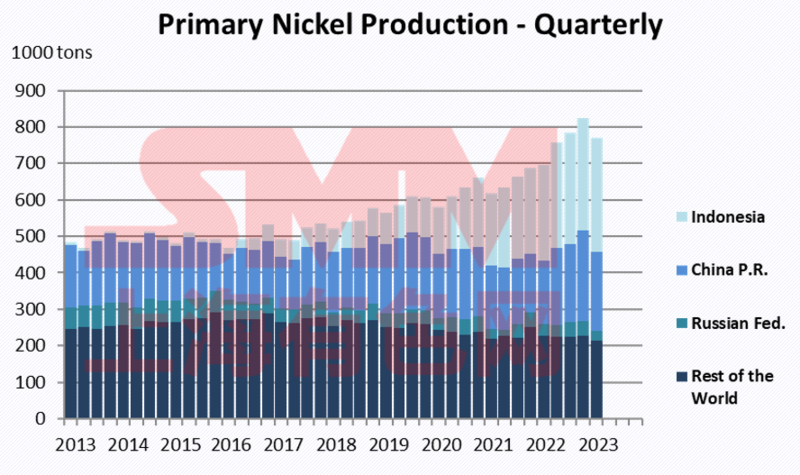
Global primary nickel production increased 5.1% and 17.3% respectively in 2021 and 2022, and is expected to grow 10.2% in 2023. Since 2021, Indonesia has been the world's largest producer, and will account for 41% of the world's share in 2023. China is now in second place. Most of the growth occurs in Asia, whereas European and US production is expected to decrease in 2023.


Preliminary data show that global primary nickel production increased 11% year-on-year in the first quarter of 2023, with Indonesian production growing 19%.


The construction of new projects in Indonesia is being stepped up and new production lines have been added. In China, the availability of ore is a key issue. Since 2020, NPI production in China has been lower than that in Indonesia.
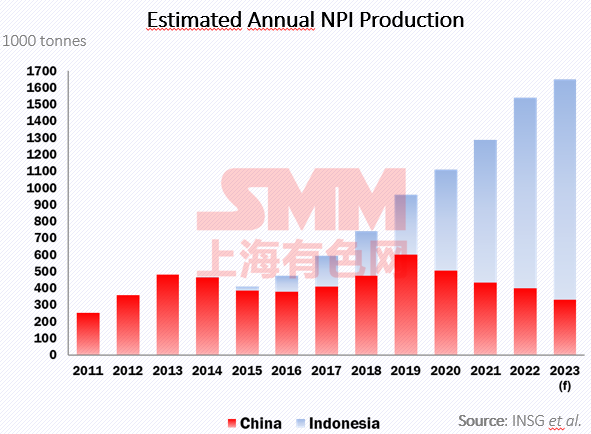
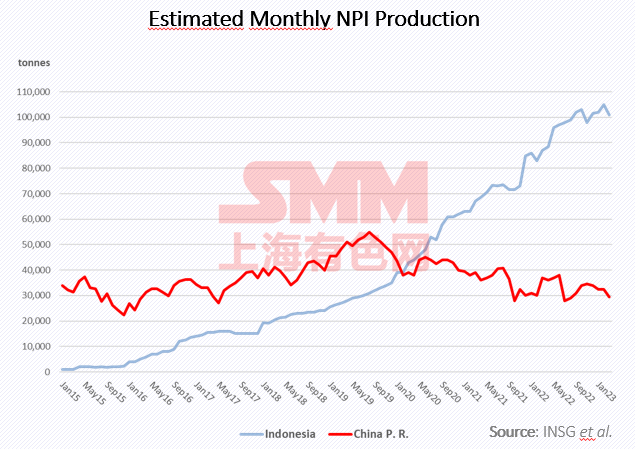

Indonesia has banned the export of nickel ore from January 2020, processing only part of its nickel production domestically (NPI for stainless steel production) while exporting the rest (NPI, MHP and matte). New NPI, MHP and matte (converted from NPI) projects will continue to increase or will be put into operation in the short term.

Global primary nickel demand rose 16.2% in 2021 and grew 6.3% in 2022, and is expected to climb 6.1% in 2023.

China is the world's largest nickel consumer, while Indonesia ranks second, with the two accounting for 61% and 12% of the global market respectively in 2023. In 2023, almost all growth will take place in Asia.

Preliminary data show that global primary nickel use increased by 0.4% year-on-year in the first quarter of 2023, with a growth of 8.9% in China.

Despite softening demand over the past few years, the stainless steel industry remains the most important market for nickel, and global nickel use in this industry has been increasing. The production of nickel-containing batteries for electric vehicles is increasing, both in terms of volume and market share.

Global light vehicle sales fell by 1% in 2022 (to about 80 million units), but are likely to recover to about 82 million units in 2023. Global sales of electric vehicles (EVs) were 6.46 million units (+93.6%) in 2021 and 10.31 million units (+59.6%) in 2022, and are forecast to grow 32% in 2023. The penetration rate of EV (BEV+PHEV) has been increasing continuously. By 2023, the penetration rates of BEVs and PHEVs may reach nearly 12% and close to 5%, respectively.

Summary
The global economy has gradually recovered from the impact of the COVID-19 pandemic and is starting to overcome some of the impact of the ongoing conflict in Ukraine. Chinese economy is bouncing back after being hit by the pandemic. Energy constraints are receding. Most global central banks have been raising interest rates to keep inflation in check, although this has also had some side effects on the financial sector. Overall, the forecast for global growth in 2023 is lower than that for 2022. It is expected that the global primary nickel market will continue to be in surplus in 2023. One of the hot topics is the demand for nickel used in the production of electric/new energy vehicle batteries is expected to grow significantly in the next few years.


Tuyên bố về Nguồn Dữ liệu: Ngoại trừ thông tin công khai, tất cả dữ liệu khác được SMM xử lý dựa trên thông tin công khai, giao tiếp thị trường và dựa trên mô hình cơ sở dữ liệu nội bộ của SMM. Chúng chỉ mang tính chất tham khảo và không cấu thành khuyến nghị ra quyết định.

Để biết thêm thông tin hoặc có thắc mắc gì, vui lòng liên hệ: lemonzhao@smm.cn
Để biết thêm thông tin về cách truy cập báo cáo nghiên cứu, vui lòng liên hệ:service.en@smm.cn
Tin Liên Quan
[SMM Stainless Steel Flash] Cải cách EU ETS: Nhà sản xuất thép hưởng lợi, doanh nghiệp vừa và nhỏ gánh chi phí
15 phút trước
[SMM Stainless Steel Flash] Cải cách EU ETS: Nhà sản xuất thép hưởng lợi, doanh nghiệp vừa và nhỏ gánh chi phí
Đọc thêm
[SMM Stainless Steel Flash] Cải cách EU ETS: Nhà sản xuất thép hưởng lợi, doanh nghiệp vừa và nhỏ gánh chi phí
[SMM Stainless Steel Flash] Cải cách EU ETS: Nhà sản xuất thép hưởng lợi, doanh nghiệp vừa và nhỏ gánh chi phí
Ủy ban Châu Âu tiếp tục giới thiệu CBAM như một cơ chế công bằng, nhưng giới phê bình cho rằng khuôn khổ thực tế tạo ra sự bất cân xứng nghiêm trọng giữa nhà nhập khẩu và các nhà sản xuất thép trong nước. Theo công thức tại Điều 31 của CBAM, chỉ có quyền được phân bổ mang tính chuẩn mực được phản ánh, chứ không phải sự hỗ trợ kinh tế thực tế — các nhà máy trong nước có mức phân bổ tham chiếu vượt quá lượng phát thải thực tế sẽ giữ lại hạn ngạch dư thừa có thể giao dịch, trong khi nhà nhập khẩu chỉ có thể đạt mức trách nhiệm bằng 0 mà không có quyền được chuyển nhượng. Kể từ năm 2005, các nhà sản xuất thép châu Âu đã nhận được hơn 3,4 tỷ hạn ngạch phát thải ETS miễn phí, trong đó khoảng 884 triệu là dư thừa — tương đương giá trị tính toán thô gần 71 tỷ euro theo giá carbon hiện hành. Đề xuất cải cách ETS mới nhất (COM(2026) 616) không giải quyết được sự mất cân bằng này, kéo dài việc cấp phát miễn phí cho các lĩnh vực CBAM đến năm 2038 trong khi vẫn giữ nguyên toàn bộ hạn ngạch dư thừa trong quá khứ. Các doanh nghiệp nhỏ và vừa (SMEs) và các nhà chế biến hạ nguồn không có nguồn dự trữ hạn ngạch kế thừa và phải tài trợ trước chứng chỉ CBAM, trong khi các tập đoàn thép lớn sử dụng lượng dư thừa tích lũy hàng thập kỷ — làm trầm trọng thêm thay vì giải quyết sự bất cân xứng về cơ cấu.
15 phút trước
[SMM Stainless Steel Flash] Outokumpu trở lại có lãi trong quý 2 năm 2026 trong bối cảnh lượng giao hàng tăng
19 phút trước
[SMM Stainless Steel Flash] Outokumpu trở lại có lãi trong quý 2 năm 2026 trong bối cảnh lượng giao hàng tăng
Đọc thêm
[SMM Stainless Steel Flash] Outokumpu trở lại có lãi trong quý 2 năm 2026 trong bối cảnh lượng giao hàng tăng
[SMM Stainless Steel Flash] Outokumpu trở lại có lãi trong quý 2 năm 2026 trong bối cảnh lượng giao hàng tăng
Outokumpu báo cáo doanh thu quý 2 năm 2026 tăng 6,5% so với cùng kỳ lên 1,58 tỷ euro, EBITDA điều chỉnh tăng 33,3% lên 100 triệu euro, nhờ hiệu quả cải thiện tại châu Âu và kết quả tiếp tục khả quan tại châu Mỹ. Công ty báo lãi ròng 25 triệu euro, đảo ngược mức lỗ ròng 19 triệu euro trong quý 2 năm 2025. Lượng giao thép không gỉ tăng 5% so với quý trước và 1% so với cùng kỳ, đạt 488.000 tấn, trong khi lượng giao ferrochrome tăng 4% so với quý trước và 12,9% so với cùng kỳ lên 114.000 tấn nhờ nhu cầu mạnh mẽ đối với ferrochrome châu Âu phát thải thấp. Trong nửa đầu năm 2026, doanh thu nhích nhẹ 0,8% so với cùng kỳ lên 3,03 tỷ euro, EBITDA điều chỉnh tăng 32,3% lên 164 triệu euro, và lợi nhuận ròng đạt 18 triệu euro so với mức lỗ ròng 37 triệu euro nửa đầu năm 2025. Theo chiến lược EVOLVE, Outokumpu sẽ khởi động khoản đầu tư giai đoạn một trị giá 30 triệu euro tại nhà máy Avesta ở Thụy Điển để mở rộng sang hợp kim niken cao, với tổng mức đầu tư ước tính 150 triệu euro. Trong quý 3, lượng giao thép không gỉ dự kiến giảm tới 10% so với quý trước do yếu tố thời vụ, với dự báo EBITDA điều chỉnh ổn định tương đối.
19 phút trước
[SMM Tin nhanh Thép không gỉ] POSCO chuẩn bị Khiếu nại Chống lẩn tránh đối với Thép không gỉ CRC Malaysia
32 phút trước
[SMM Tin nhanh Thép không gỉ] POSCO chuẩn bị Khiếu nại Chống lẩn tránh đối với Thép không gỉ CRC Malaysia
Đọc thêm
[SMM Tin nhanh Thép không gỉ] POSCO chuẩn bị Khiếu nại Chống lẩn tránh đối với Thép không gỉ CRC Malaysia
[SMM Tin nhanh Thép không gỉ] POSCO chuẩn bị Khiếu nại Chống lẩn tránh đối với Thép không gỉ CRC Malaysia
Nhà sản xuất thép Hàn Quốc POSCO được cho là đang chuẩn bị nộp đơn khiếu nại chống bán phá giá đối với mặt hàng thép không gỉ cán nguội dạng cuộn (CRC) nhập khẩu từ Malaysia, và đơn này có thể được nộp vào quý 3 năm 2026. POSCO đang xem xét nguồn cung nguyên liệu thô cũng như cơ cấu sản xuất và xuất khẩu của các sản phẩm thép không gỉ Malaysia, nhằm đánh giá liệu hàng hóa được gia công tại Malaysia từ nguyên liệu có xuất xứ từ các quốc gia đã bị Hàn Quốc áp thuế chống bán phá giá, cụ thể là Trung Quốc đại lục, Indonesia và Đài Loan (Trung Quốc), có thuộc phạm vi điều chỉnh của quy định chống bán phá giá hay không. Khuôn khổ chống bán phá giá của Hàn Quốc đã được mở rộng trong năm nay để bao gồm cả hoạt động gia công và lắp ráp tại nước thứ ba. Nếu hành vi lẩn tránh bị xác nhận, mức thuế áp dụng sẽ là mức thuế dành cho nhà cung cấp nguyên liệu thô ban đầu, chứ không phải mức thuế mới được tính cho Malaysia. Các nhà nhập khẩu và người dùng cuối đã được cảnh báo phải đánh giá kỹ lưỡng các điều khoản hợp đồng và thanh toán, vì hàng hóa nhập khẩu sau khi cuộc điều tra chính thức khởi động có thể bị áp thuế chống bán phá giá hồi tố.
32 phút trước
Key Takeaway from SMM 2023 Indonesia Nickel and Cobalt Industry Chain Conference: INSG Shares Insights on 2023 Global Nickel Market Outlook and Sees Supply Surplus   - Shanghai Metals Market (SMM)