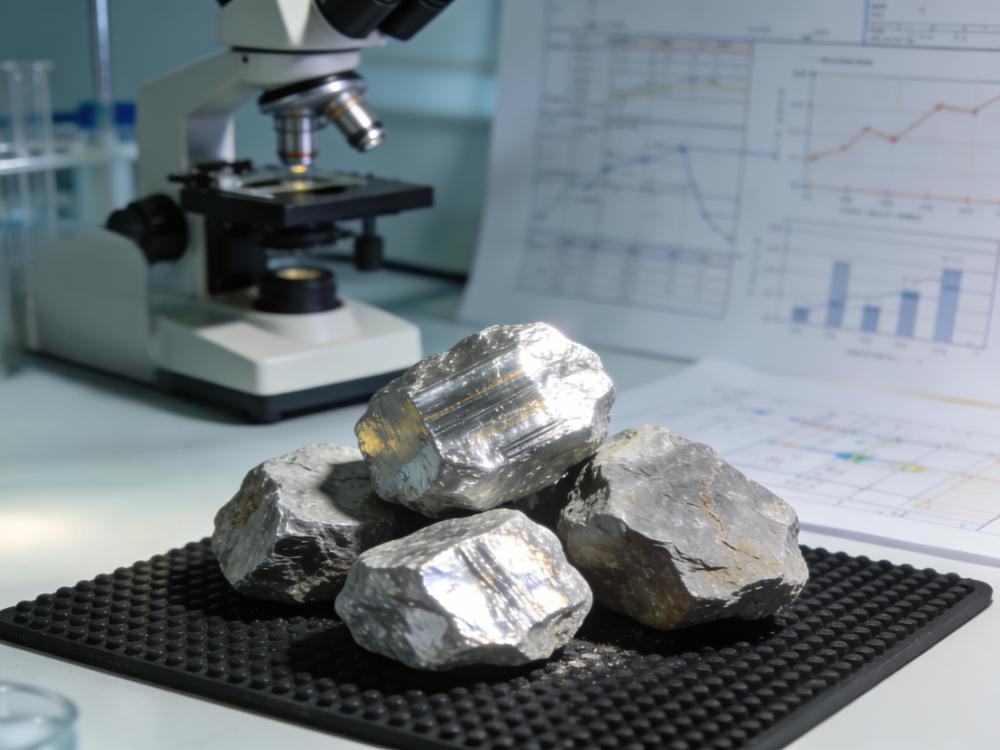
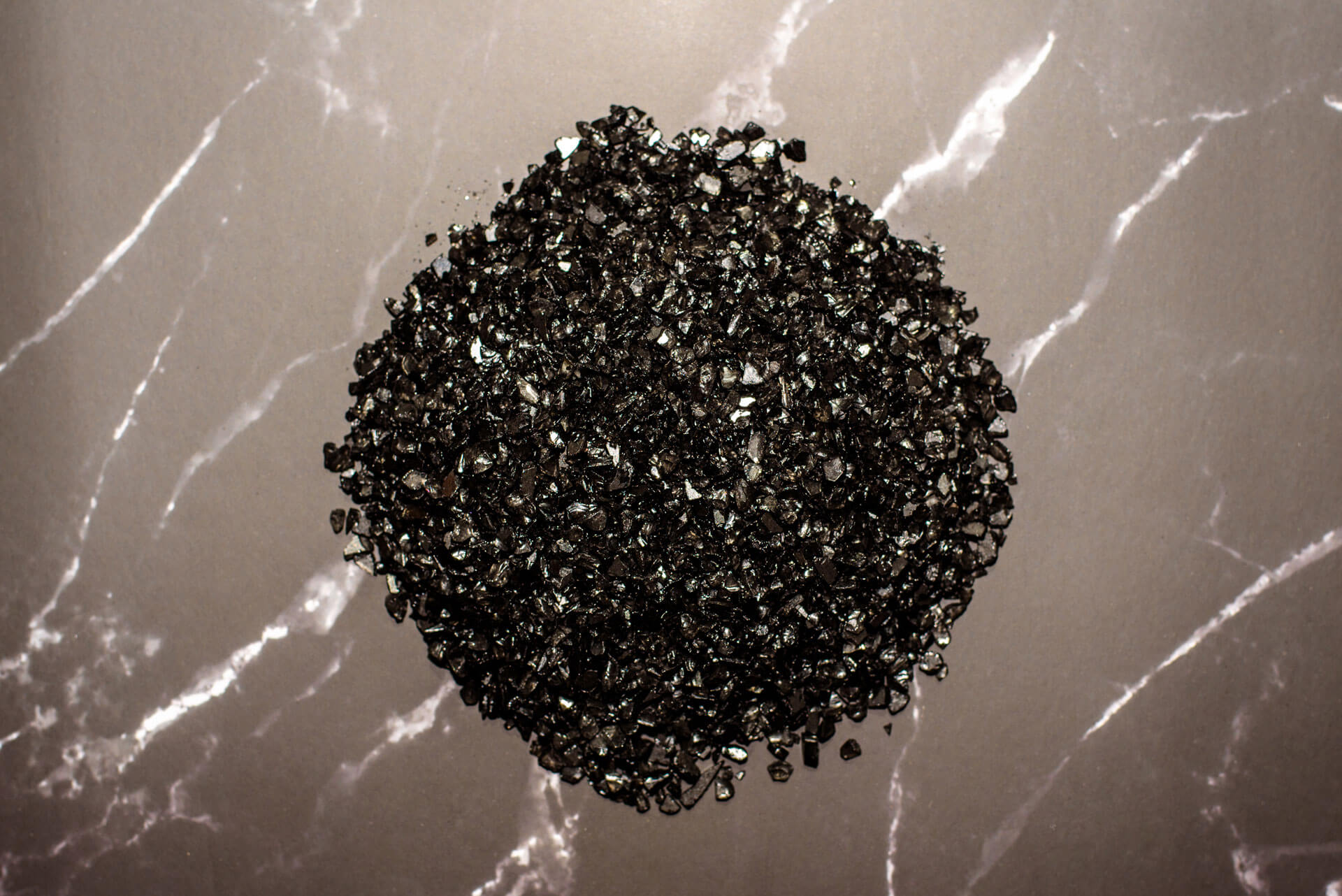
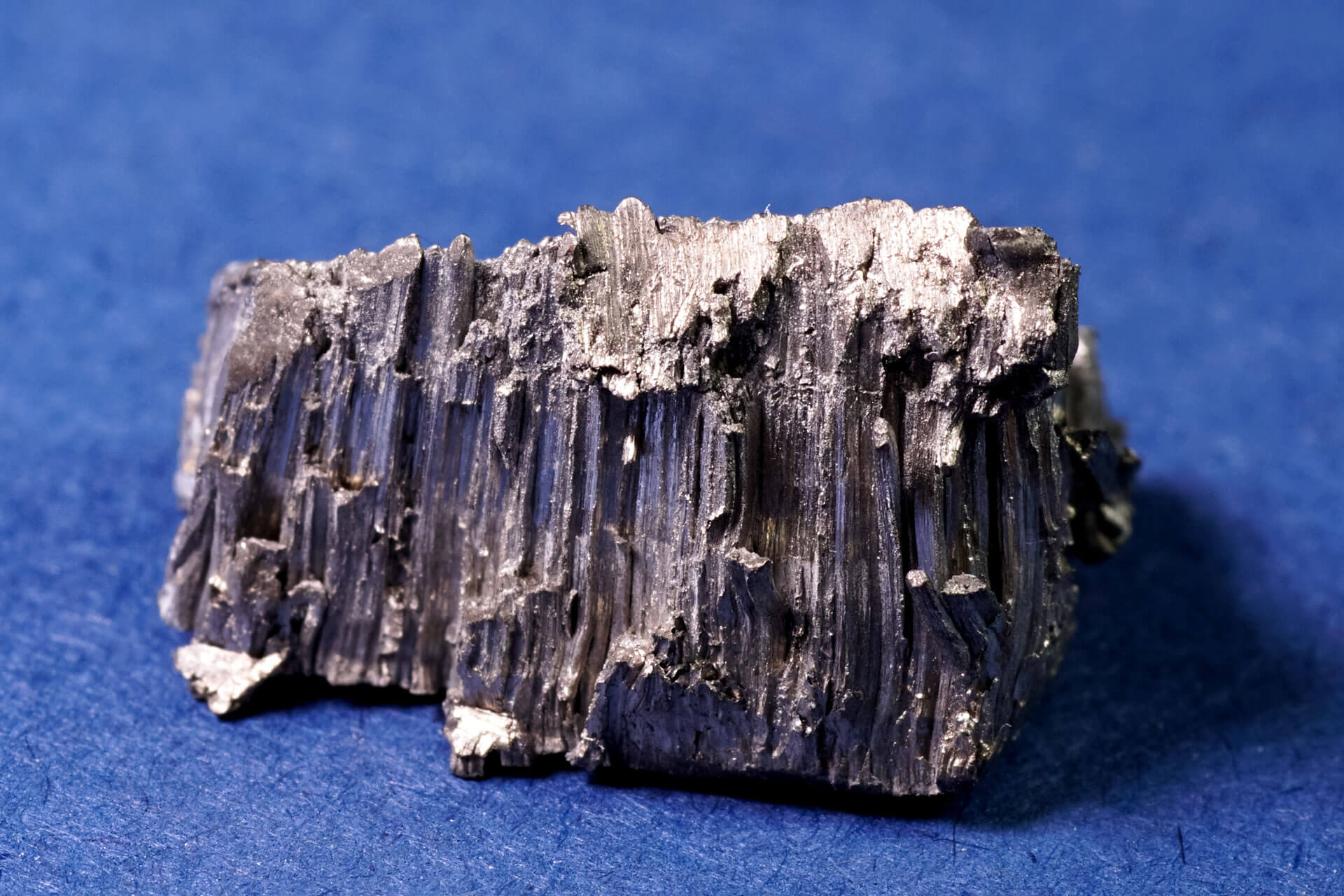
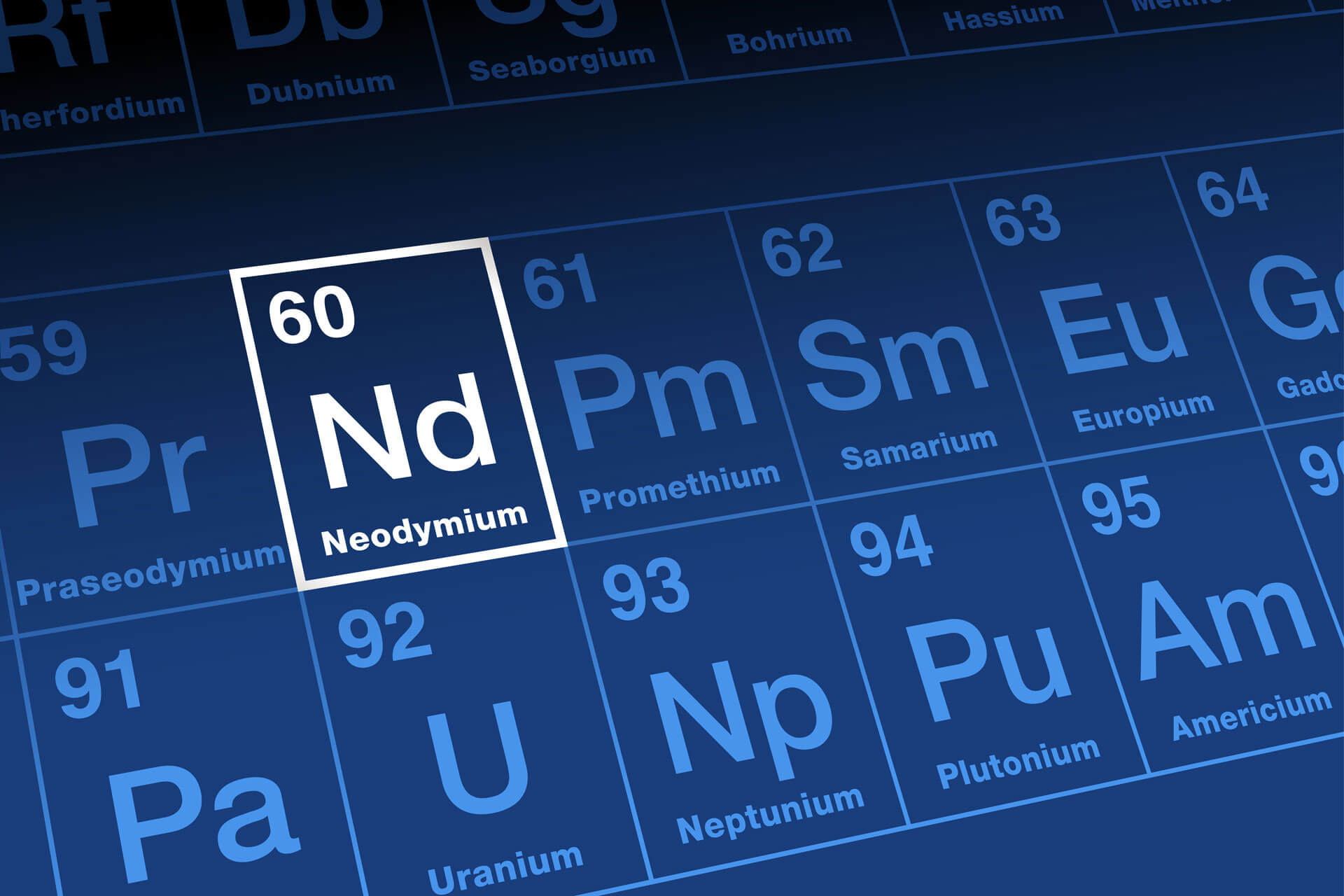
At the Institute of Magnetic Materials of the rare Earth Institute, researchers are busy testing the influence of the new process-the preparation method of NdFeB permanent magnet material on the performance of the magnet. The process has applied for an international patent and has been authorized by Japan, the United States and the European Union, which is expected to break down foreign patent technology protection barriers.
NdFeB permanent magnet materials have always been the most concerned rare earth application industry in China's rare earth industry. with the development and progress of science and technology, the demand for high-performance NdFeB permanent magnet materials is becoming more and more extensive. Rare earth elements dysprosium and terbium are important raw materials for high-performance NdFeB products. Because of their high price, the product cost is high, which seriously restricts the development of China's high-performance NdFeB industry.
For a long time, the rare Earth Institute has strengthened the integration of "industry-university-research and application", aimed at high-value high-end research and development of functional materials, improved service market and on-site capabilities, and devoted itself to solving a series of scientific research and technical problems. "compared with the existing process, our core technology is to use physical vapor deposition process to deposit heavy rare earth dysprosium and terbium elements on the surface of NdFeB ribbon flasher or broken powder, so as to improve the performance of NdFeB magnet, greatly reduce the use of heavy rare earth elements dysprosium and terbium, and greatly reduce the manufacturing cost of NdFeB. After the popularization and application of this technology, it is expected to produce large-size, high-grade and uniform NdFeB magnetic steel, which can effectively alleviate the contradiction that the shortage of dysprosium and terbium resources restricts the development of high-performance sintered NdFeB industry, and enhance China's product technology and international competitiveness in high-speed rail, new energy vehicles, wind power generation and other fields. " Sun Liangcheng, the main person in charge of the patent, introduced it to the reporter.
It is reported that double alloy process and grain boundary diffusion process are mainly used in China to reduce the use of heavy rare earths in NdFeB magnets. The double alloy process refers to melting the main alloy and the auxiliary alloy containing heavy rare earth elements respectively. After forming the magnetic powder, the main alloy magnetic powder and the auxiliary magnetic powder are mixed according to the proportion, oriented pressing and sintering. In this process, the heavy rare earth content is still high. The grain boundary diffusion process is to form a rare earth element covering layer on the surface of the NdFeB magnet by means of coating, and the heavy rare earth elements are diffused to the inside of the magnet along the grain boundary after high temperature diffusion treatment. this process is limited to the production of thin NdFeB magnets, the performance uniformity is poor, and the performance improvement is not obvious in the preparation of bulk magnets.
"the role of traditional technology has reached its limit, low-cost deposition of heavy rare earth elements dysprosium and terbium, and controlling their thickness and distribution is an important way to achieve a breakthrough in the performance of patented products. in the next step, we will strengthen the research and development of new technology. develop tape flick and powder coating equipment for trial use of the new technology, and strive to achieve the goals of high magnetic energy level, high coercivity and high remanence of NdFeB magnets." The technical staff of the research team said.
The researchers of the rare Earth Institute have taken a key step towards strengthening and expanding the functional materials industry. In the future, the Institute will continue to attach importance to intellectual property rights, further improve the efficiency of intellectual property management, be at the forefront of the industry, focus on the development and innovation of technologies, projects and products, and actively cultivate high-value patents. We will step up efforts to tackle key projects, and carry out patent mining in many fields, such as rare earth hydrometallurgy, rare earth diesel exhaust catalysts, rare earth auxiliaries, rare earth hydrogen storage materials, and so on. We will form a multi-category and multi-level layout of high-value patents, comprehensively cover and protect innovative achievements in key industries, promote scientific and technological innovation and transformation of achievements, and courageously shoulder the important task of supporting the high-quality development of the rare earth industry.