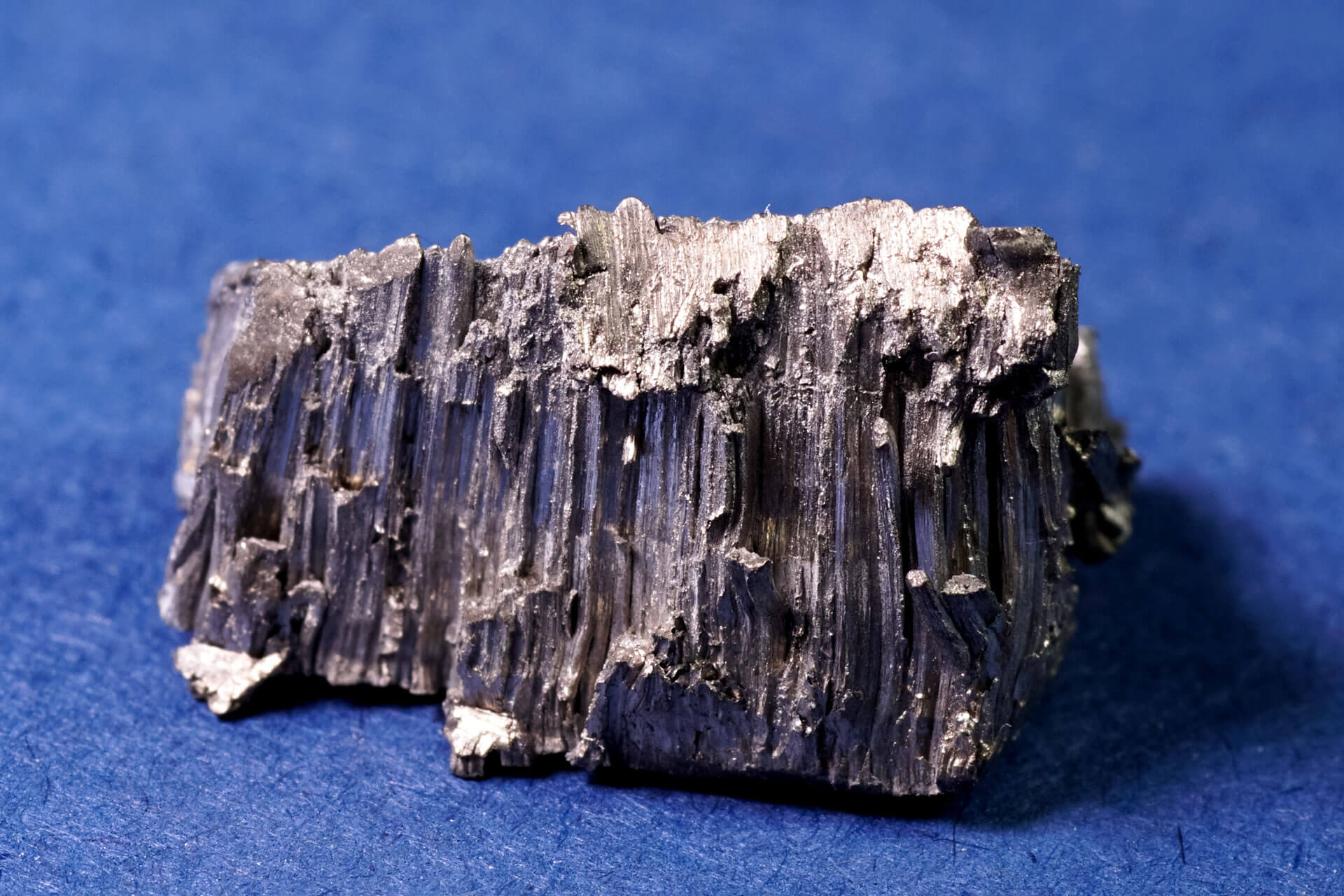
SHANGHAI, Mar 7 (SMM) - China’s output of praseodymium-neodymium (PrNd) oxide in February 2022 stood at 6,094 mt, down 2.5% from a year earlier with ion-absorbed iron separation companies in Sichuang, Jiangus, Guangdong and Guangxi contributing most of the increment, while those in Jiangxi saw output cuts.
In terms of the supply structure, PrNd oxide and alloy output was stable in major light rare earth supplying places including Sichuan and Inner Mongolia Though the first batch of mining quotas have been officially released, the middle and heavy rare earth mines in Jiangxi have not started the mining activities yet. Hence the operating rates of some separation companies in Jiangxi dropped in February on tight raw ore supply. Meanwhile, a few manufacturers in Jiangsu quickly resumed the production after short suspension due to lack of raw ore, and the local output picked up steadily. It is expected that the supply of rare earth raw ore will continue to be tight in March.
The supply of NdFeB scrap was also tight. Due to strong downstream demand, some enterprises in Jiangxi further expanded their production from January to February. However, the expansion of production was accompanied by inventory problems, and the raw material inventory of some scrap recyclers fell below the safety level. It is expected that scrap recyclers will be able to re-stock in mid-March, and the risk of long-term order defaults still exists.
For upstream PrNd oxide supply composition, the Northern Rare Earth Group took up the largest proportion. Among the first batch of quotas for rare earth ores in 2022, the mining and separation/smelting quotas assigned to Northern Rare Earth Group rose by 36% and 40% respectively. The North Rare Earth Group's production of PrNd oxide continued to be stable in February, and the default risk on long-term orders decreased. The new oxide production line construction is time consuming. Hence the Group may still face problems such as insufficient oxide production capacity to match the metal production capacity, and the demand for toll manufacturing remains.
With multiple supply channels such as imported light rare earth ore, rare earth chloride, and scrap recycling, Shenghe Group is superior in supply capacity of PrNd oxide. In addition, the Russia-Ukaine conflict has not yet affected the import of MP rare earth metal ore from the US. It is reported that the imported light rare earth ore was stable in February. The supply of light rare earth ores and rare earth chlorides such as monazite in Sichuan was stable, and the output of PrNd oxide by Shenghe Group and its subsidiaries was basically flat MoM in February. Thanks to the existing inventory of imported middle and heavy rare earth ore, the output of PrNd oxide of Chinalco Group rose slightly, and the capacity of some subsidiaries was restored.
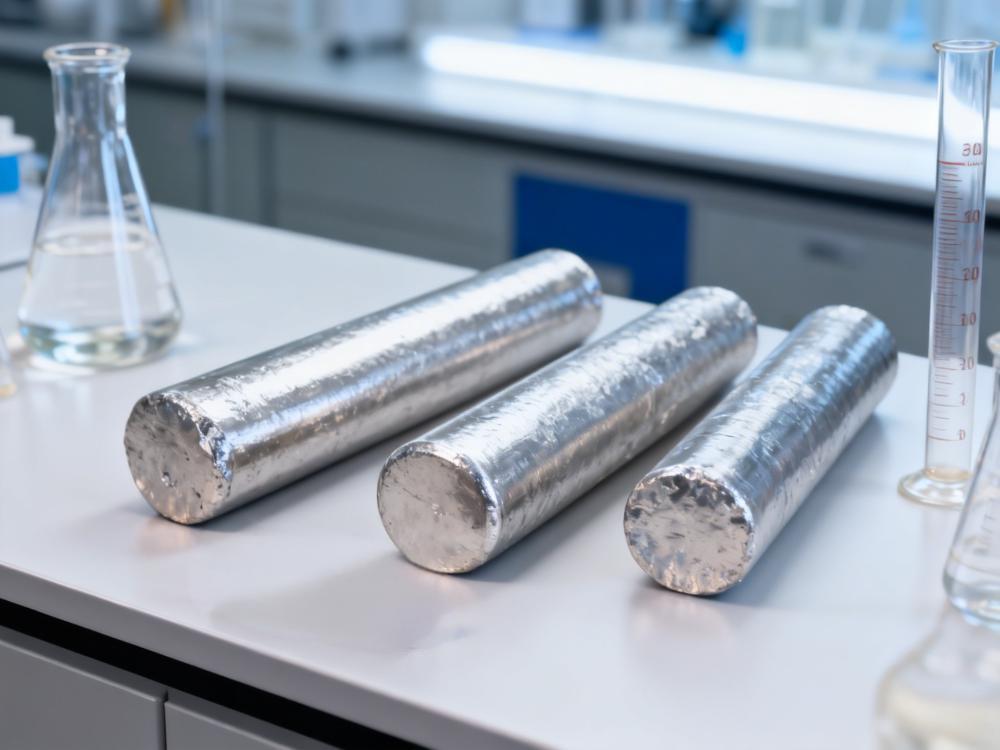
The output of PrNd allloy stood at 5,005 mt in February, down 7.2% month-on-month, falling MoM for the second month following January. The output reduction mainly came from metal enterprises in Inner Mongolia and Guangxi.
In order to match the expanding NdFeB production capacity and terminal demand, metal enterprises in Inner Mongolia, Sichuan and other places have been ramping up the production since December 2021. The downstream demand has been strong post the Chinese New Year (CNY). Large-scale NdFeB magnetic material enterprises were poured in with orders, and the market also saw high rigid demand. As such, the suppply of raw ore tightened. As a major supply area of light rare earth ores, Inner Mongolia's supply capacity of PrNd oxide is temporarily weaker than that in Sichuan. Due to the large production base, the production cuts of PrNd alloy in Inner Mongolia have been quite obvious.
The output of metal enterprises in Jiangxi, Sichuan, Zhejiang and other places remained stable, but under the premise of high prices of raw materials, the financial pressure on relating enterprises increased.
![[Tóm tắt phiên sáng Đất hiếm SMM] Hỗ trợ chi phí oxit giữ giá ổn định, hợp kim Pr-Nd tăng giá thăm dò.](https://imgqn.smm.cn/usercenter/ecUwF20251217171745.jpg)