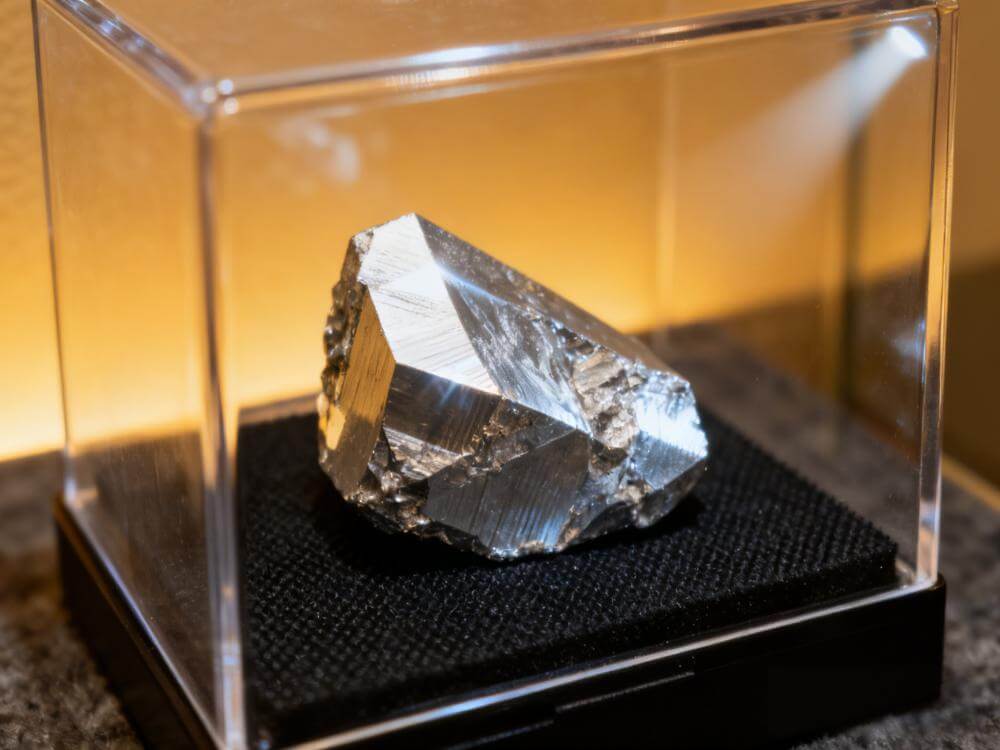
Magnesium is one of the most abundant light metal elements on earth, with a specific gravity of 1.74g / cm ~ 3, only 2 of aluminum and 1 of steel. Magnesium alloy is 36% lighter than aluminum alloy and 77% lighter than steel. Magnesium has the advantages of high strength, high stiffness, good thermal conductivity, good electromagnetic shielding, damping, vibration damping, machinability, low machining cost, processing energy of only 70% of aluminum alloy and easy recovery. In addition to its low specific gravity, magnesium has many good physical properties, which make it sometimes more valuable than aluminum and plastics in the application of automotive structural materials. The main advantage of the physical properties of magnesium is that the damping performance of magnesium is 30 times higher than that of aluminum, and the thermal conductivity and thermal expansion of plastics are 200 times higher than those of plastics.
However, magnesium accounts for only 2.5% of the materials currently used in automobiles, and a considerable part of them are used in automobiles in the form of synthetic materials. It is predicted that the future development trend is that the use of magnesium will be further increased, and magnesium will account for about 10% of the vehicle materials in future special vehicles, such as F1 racing cars.
At present, the raw material production plants of magnesium metal are expanding their production capacity. For example, in China, the annual production capacity of magnesium has soared from 5000 tons to 150000 tons; in Germany, the annual output of magnesium alloy castings has reached 30, 000 tons, setting an all-time high. In addition, many auto parts suppliers and automobile manufacturers also have their own magnesium alloy material development projects and plans, for example, there are many such ideas in North America, however, the largest number of plans and the largest growth rate is still in Europe. Table 1 shows the demand for magnesium alloys in the United States, Europe and Japan.
In the field of automobile manufacturing, magnesium alloy materials have more than 60 different uses. The auto parts of these magnesium alloy materials can be seen not only in high-end cars, but also in ordinary cars. In racing cars, cars and SUV, expensive magnesium alloy materials can be processed into qualified auto parts, but also can be made into automotive load-bearing parts. All automobile manufacturers use magnesium alloy parts in their products, but the parts made of these magnesium alloy materials are different.
Manufacture thin-walled workpieces
Magnesium alloy materials make a wide variety of automotive parts, from moving parts (such as wheels), to structural parts (such as car seat frames), to high-temperature-resistant parts (such as cylinder blocks). The common feature of these parts is that they bear low mechanical and chemical loads. Magnesium alloy materials are often used to make "bracket", "shell", "end cover" or "plug" parts and so on. Because magnesium alloy material has excellent casting flow performance, it is very suitable for manufacturing thin-walled structures such as tension bars and large areas of vehicle interior structures, such as doors and front and rear hatches. The physical and chemical properties of magnesium make it more suitable for die-casting large parts than aluminum. The most commonly used parts of magnesium alloy materials are:
Steering shaft, 50% of the world's steering shaft is made of magnesium alloy;
Crossbeam, about 6000t magnesium alloy material is used in European cars.
Transmission housing, a transmission housing made of about 600 magnesium alloy materials a day in Volkswagen B-frame cars.
In principle, magnesium alloy materials are mainly used in the drive system of automobile internal structure, and a large number of magnesium alloy parts supplied by auto parts suppliers are expected to enter the automobile manufacturing industry in the next five years. At that time, the cars produced by DaimlerChrysler will use magnesium alloy automatic transmissions, and the cars produced by BMW will use magnesium-aluminum composite engine cylinder blocks. In the long run, magnesium alloy materials will also be further increased in frame manufacturing and chassis manufacturing, as well as in the manufacture of high temperature resistant parts.
In addition to the advantage that it can reduce the weight by 40% to 70% compared with steel and aluminum, magnesium alloy materials also have great advantages in vibration reduction, noise reduction and environmental protection. The earth is rich in magnesium, which makes it easy to recycle the waste parts of magnesium alloy materials; compared with aluminum alloy materials, magnesium alloy materials consume less energy during melting and casting, and less mechanical wear during cutting, so the overall production cost can be reduced by about 20% compared with aluminum alloy materials. The good weldability of magnesium alloy material may bring a new revolution to the structural design of automobile. it can be used to manufacture a large number of structural parts, especially some thin-walled parts and large area structural parts, so as to reduce the total assembly cost of the automobile.
Although the price per kilogram of magnesium ingots is more expensive than aluminum and iron, this price disadvantage is made up by the low cost in the production and processing of magnesium alloy materials. the latent heat of magnesium melting per unit volume is only 2% of that of aluminum, and the specific heat is only 3% of that of aluminum, and it has very low iron solubility, so the total price is only about 20% higher than that of aluminum alloy. In addition, magnesium alloy materials have some shortcomings such as poor corrosion resistance, poor creep resistance and poor rigidity. In the process of manufacturing magnesium alloy parts, there are many problems to be solved, for example, in casting, the problem of bad (cold) deformation should be overcome; in addition, there is the problem of corrosion of external exposed parts in the practical application of magnesium alloy materials. in addition, in the process of mixing and transportation of parts of different materials, attention should be paid to improving the contact corrosion resistance of magnesium alloys and preventing the spontaneous combustion of magnesium metal.
New development opportunities
Compared with steel and aluminum parts, the competitiveness of magnesium alloy parts is increasing, and the recyclability of magnesium alloy materials also plays an important role in this aspect. When people make full use of the characteristics of metal magnesium and reasonably design automobile parts according to the characteristics of metal magnesium, magnesium alloy parts have a great tendency to replace steel and aluminum parts, and will not lead to an increase in price. Table 2 shows the growth trend of magnesium consumption in the next few years.
The increasing number of magnesium alloy parts in the automotive industry provides a new business opportunity for parts suppliers and system suppliers. In the process of producing and processing magnesium alloy automobile parts, the ablation problem of magnesium should be solved first. After adopting appropriate safety protection measures, Volkswagen can effectively prevent spontaneous combustion in the casting, melting and cutting of magnesium alloy parts. This is a process for anticorrosion treatment of magnesium alloy parts according to the principle of anodic surface treatment.
With the continuous improvement of the level of science and technology, the weakness of magnesium alloy materials is also being improved, and magnesium alloy materials will have a very broad market prospect.
![Giá Magie Thỏi Được Hỗ Trợ Bởi Chi Phí; Nhu Cầu Yếu Ở Thị Trường Trong Nước và Nước Ngoài Có Thể Dẫn Đến Tích Lũy [SMM Tin Nhanh Giá Magie Thỏi Giao Ngay]](https://imgqn.smm.cn/usercenter/LYGyd20251217171725.jpg)
![Giá thỏi magie tăng do chi phí sản xuất leo thang, trong khi nhu cầu ảm đạm hạn chế đà phục hồi [SMM Tin nhanh giá thỏi magie giao ngay]](https://imgqn.smm.cn/usercenter/qjvqf20251217171725.jpg)