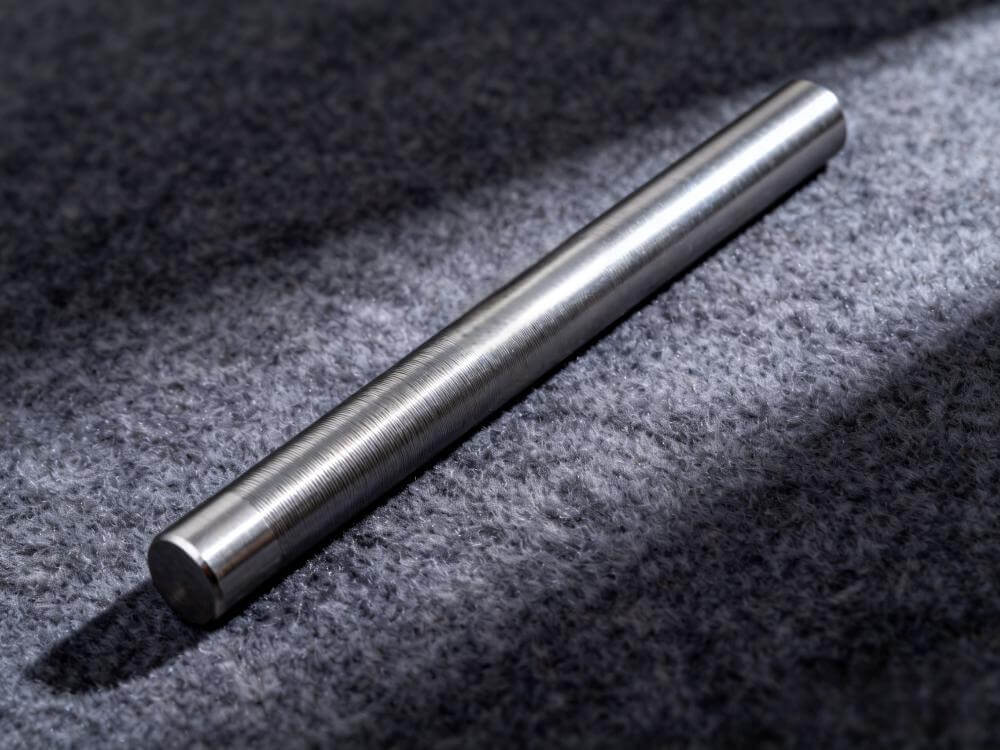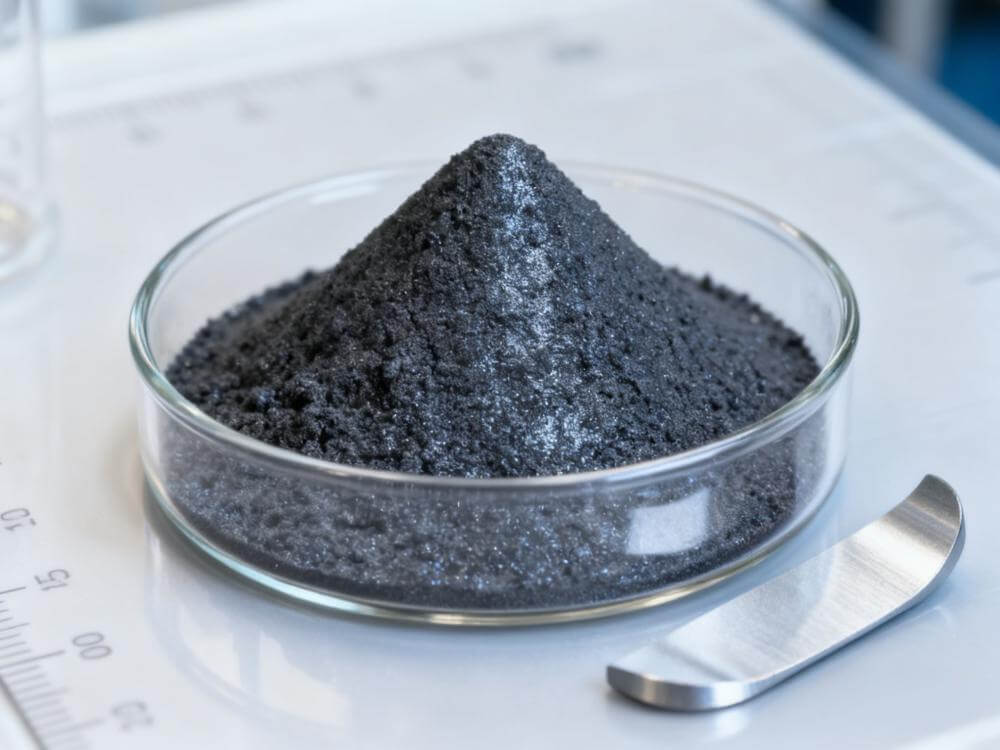
On November 24, the sixth council of the indium, bismuth and germanium branch of China Nonferrous Metals Industry Association was held in Wuhan, Hubei Province. The main task of the meeting is to analyze the current development situation of the indium, bismuth and germanium industry, comprehensively sum up the work of the branch, make concerted efforts, forge consensus, and move towards a new journey together.
Hu Deyong, deputy secretary general of China Nonferrous Metals Industry Association, director of rare earth metals consultation and coordination department and vice president of indium bismuth germanium branch, presided over the meeting. The meeting read out the "approval of the China Nonferrous Metals Industry Association to convene the sixth Council of the second session of the second session of the Indium, Bismuth and Germanium Branch" and the "Resolution of the second session of the fourth standing Council of the China Nonferrous Metals Industry Association on the adjustment and establishment of branches". Feng Juncong, secretary general of the indium bismuth germanium branch of the China Nonferrous Metals Industry Association, made a work report entitled "grasping the general trend of the times, strengthening development confidence and jointly promoting the indium bismuth germanium industry to a new level of high quality development." This paper focuses on the analysis and summary of the current situation and the operation of the non-ferrous metal industry, the operation of the indium bismuth germanium industry, the review of the development and work of the indium bismuth germanium industry since the establishment of the branch, and the basic judgment of the future development of the indium bismuth germanium industry in China.
According to the report, in the past few years, in the face of a complex situation with a marked increase in risks and challenges at home and abroad, the backbone enterprises of indium, bismuth and germanium have the courage to take on the responsibility, dare to innovate, constantly strengthen the production technology of key materials, and strive to expand downstream applications. The domestic industrial structure has been improved and optimized, consumption has shown a trend of sustained growth, and the industry as a whole has shown a trend of steady growth. Among them, indium consumption remains optimistic, prices gradually out of the trough; bismuth prices stabilized and rebounded, the industry pattern changed; germanium prices rose significantly, industrial development is more coordinated.
Indium bismuth germanium branch as a bridge and link to connect industry enterprises, since the establishment of indium industry branch in 2009, renamed to establish indium bismuth germanium branch in 2012, has been the 12th year. Over the past ten years, the branch has grown together with the indium, bismuth and germanium industry. First, technological progress promotes the continuous improvement of output; second, the industrial structure continues to optimize; third, the level of the industrial chain continues to improve; fourth, excellent enterprises stand out, and the scientific and technological strength and capital strength of the indium, bismuth and germanium industry have been continuously improved.
From the basic judgment of the future development of China's indium, bismuth and germanium industry, the report points out that it will be more and more important to improve the recovery of rare and precious metals and increase the recycling of waste materials through technological progress. Only by finding better technology, continuously reducing costs, and making full use of lower-grade resources, can we ensure the security of the supply chain and encourage downstream industries to apply boldly. The report predicts that the market price center of indium, bismuth and germanium will be higher during the 14th five-year Plan period than during the 13th five-year Plan period.
The indium-bismuth-germanium branch will merge with the gallium-selenium-tellurium branch to form a rare metal branch, and the new branch will continue to adhere to the fundamental purpose of serving the government, service enterprises and service industries, and constantly strengthen its own capacity-building. so that the scattered metal branch can really become a trustworthy social organization for the government, enterprises and influential industries.
The meeting voted and adopted the Resolution of the second meeting of the fourth standing Council of the China Nonferrous Metals Industry Association on the adjustment and establishment of branches, abolishing the indium, bismuth, germanium and gallium, selenium and tellurium branches, and merging to form a scattered metal branch.
39 representatives of governing units and related personnel attended the meeting.
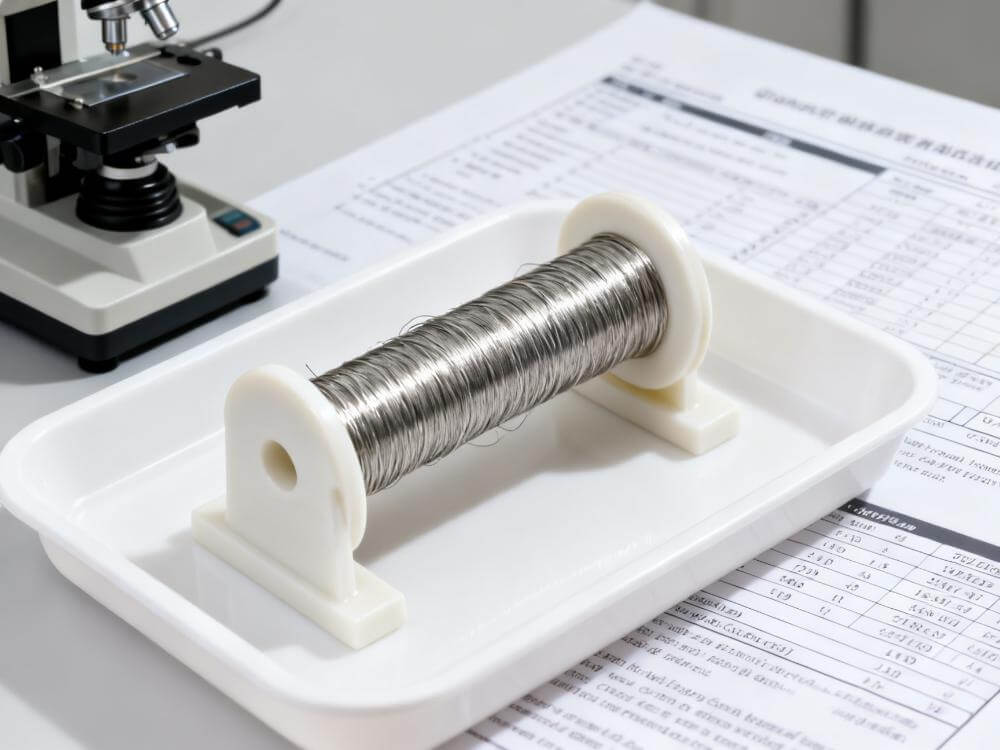
![Công ty Công nghiệp Germani Quảng Tây Yusheng sẽ tổ chức đấu thầu công khai sản phẩm germani vào ngày 31 [Báo cáo SMM]](https://imgqn.smm.cn/usercenter/jMeFI20251217171722.jpeg)