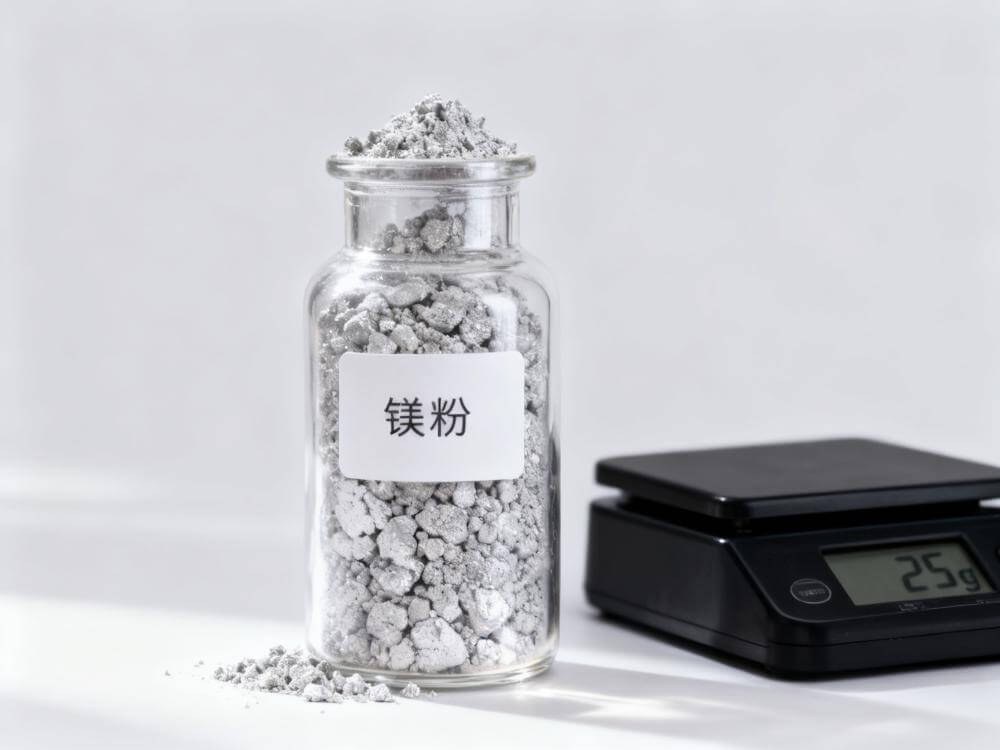
SHANGHAI, Oct 28 (SMM) – From January to September of 2021, the output of silicon metal increased by 39% year-on-year, and the annual output is expected to reach a record high of 2.78 million mt.
The insufficient power supply will inevitably lead to a decline in the output in Q4. The impact of the dual control of energy consumption is more significant on the supply of silicon. The major silicon metal producing regions including Yunnan, Xinjiang, Sichuan will have to cut the production, where the silicon plants cannot maintain the normal production from September to November. The power shortage also restricts the production. The downstream production in the major silicon consumption areas in east and south China has been mostly resumed after the short-term production restrictions.
The silicon metal production in Yunnan and Sichuan will decline in Q4 due to the upcoming dry season. The large plants in Xinjiang will also lower the operating rates due to the power shortage and the control of energy consumption. China’s output of silicon (Si content ≤ 97%) and secondary silicon totalled 240,000 mt from January to September 2021, which will supplement the shortage in the silicon metal supply. The lower overseas prices encouraged the imports. The total silicon import volume reached 4,000 mt from January to September 2021, up 782% on the year.
The seasonal increment in the silicon metal inventory in end 2021 will be far lower than the 10-year average
The higher domestic demand and declining exports will lead to the lower port inventory of silicon metal. The increment in the silicon metal inventory is lower than the 10-year average level in 2021, and a new inventory cycle has started. The total social inventory in end-2021 is expected to stand at around 70,000 mt, down 13%.
Prices of silicone and polysilicon rise along with silicon prices
Siloxane: The strong demand has boosted the silicone prices to hit a record high, and the mainstream prices are correlated to the silicon raw raw material prices. The domestic supply continues to make up for the overseas supply gap. The DMC prices are expected to stand at 50,000-55,000 yuan/mt.
Polysilicon: The skyrocketing silicon metal prices have pushed up the polysilicon prices. However, the silicon prices may pull back due to the low downstream operating rates in November and December.
The surging silicon prices change the aluminium alloy pricing models
Secondary aluminium alloy: The power curtailment, supply shortage of aluminium scrap, high silicon prices, chip shortage for cars, and other factors affect the operating rates of secondary aluminium alloy plants.
Primary aluminium alloy: The prices of silicon, the major auxiliary material, have surged, and the primary aluminium alloy producers have suffered the losses. The aluminium alloy prices are settled based on the silicon prices.
The production and sales of automobile continue to grow. The production and sales from January to September 2021 increased by 7.5% and 8.7% respectively.
Profits of silicon metal export turn positive, the control on the foreign exchange affects the overseas quotations
The silicon metal exporter suffered significant losses from May to July, and the losses narrowed in August, then turned into profits in October.
China's silicon exports in September 2021 were 72,000 mt, up 6% month on month and 32% year on year. The exports totalled 605,000 mt from January to September, up 40% year on year.
The demand growth rate of silicon metal stand at 21% in 2021. The production of the new capacities of the silicone and polysilicon is worth attention.
There are 800,000 mt of new capacities of silicon monomer have been put into production in 2021, and the exports in 2021 are expected to be near 800,000 mt, up 29% year on year. The capacities of 140,000 mt will be put into production in Q4 2021. The total silicon material output is expected to reach 480,000 mt, up 22% on the year. The total output of cast aluminium alloy in 2021 may grow by 9% on the year. The annual growth rate of the total domestic and overseas demand of silicon metal is expected to be 21% in 2021.
Price forecast
There is basically no new capacity of silicon metal in 2021. The new capacities will be put into production intensively in the rainy season in 2022.
The new capacities of silicone monomer and polysilicon will be put into production mainly in Q4 2021- H1 2022.
The shortage of the silicon metal supply in H1 2022 will depend on the power supply in the dry season in south-west China and the downstream production capacity.
The downstream production expands rapidly amid the stagnated low supply, and the the shortage will intensify in 2022.
The silicon metal prices will remain in an upward trend under the dual carbon policy, and the pricing logic of resource-based commodities will be changed. The silicon metal prices may rebound in November amid the shrinking supply, the recovering demand of aluminium alloy, and the overseas restocking before the Christmas holiday. However, the prices may decline in December as the silicon plants will reduce their stocks. The silicon prices will stay high until the rainy season in June 2022, and the upward trend of the prices may extend until 2023. The delayed commissioning of the silicone and polysilicon capacities, the shrinking consumption of the silicone after the pandemic, and the new capacities to be put into production may bring risks to the market.
The shortage of production capacity will suppress the silicon output, and the low grade of raw materials may drag down the output of high-grade silicon. The silicon supply is expected to remain tight in the short term. Most of the silicon metal consumption was in the silicone and polysilicon sectors, while the consumption in the aluminium alloy and export sectors declined. The tight supply has weakened the profits of the silicon metal users, and the upstream companies in the silicon industry started to profit.
![Sản lượng silic kim loại tháng 9 giảm 11% so với tháng trước; sản lượng quý 4 dự kiến giảm đáng kể so với cùng kỳ năm ngoái [Phân tích SMM]](https://imgqn.smm.cn/usercenter/wUnEn20251217171722.jpeg)