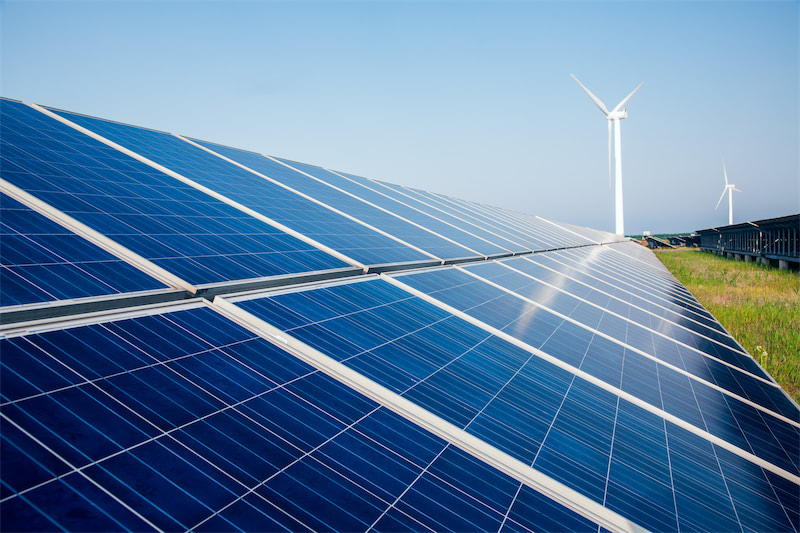
Global mineral resources reserves: lithium ore 128 million tons cobalt ore 6.68 million tons nickel ore 90.63 million tons

Đã xuất bản: Oct 25, 2021 10:29
[global mineral resources reserves: lithium ore 128 million tons cobalt ore 6.68 million tons nickel ore 90.63 million tons] by 2020, the global lithium ore (lithium carbonate) reserves 128 million tons, resources 349 million tons, mainly distributed in Chile, Australia, Argentina, Bolivia and other countries. Cobalt ore reserves of 6.68 million tons, resources of 23.44 million tons, Congo (Kinshasa), Indonesia, Australia and other countries are the most enriched. Nickel reserves are 90.63 million tons and resources are 260 million tons. Indonesia ranks first in the world in reserves, while Australia, Russia and other countries are rich in resources.

On October 22nd, the Global Mineral Resources Strategy Research Center of China Geological Survey released the Evaluation report of Global Lithium, Cobalt, Nickel, Tin and Potash Mineral Resources reserves (2021).

Data show that by 2020, the global lithium ore (lithium carbonate) reserves of 128 million tons, resources of 349 million tons, mainly distributed in Chile, Australia, Argentina, Bolivia and other countries. Cobalt ore reserves of 6.68 million tons, resources of 23.44 million tons, Congo (Kinshasa), Indonesia, Australia and other countries are the most enriched. Nickel reserves are 90.63 million tons and resources are 260 million tons. Indonesia ranks first in the world in reserves, while Australia, Russia and other countries are rich in resources. Tin reserves are 3.27 million tons and resources are 8.07 million tons. China, Russia, Southeast Asia and other countries and regions are the main producing areas of tin deposits. The global potash (potassium chloride) reserves are 12.9 billion tons and the resources are 43 billion tons. Russia, Canada, Belarus and Turkmenistan account for 80 percent of the world's reserves. Russia has surpassed Canada to become the largest potash reserve country.

From the consumer side, the global consumption of lithium (lithium carbonate) in 2020 is about 400000 tons, cobalt about 170000 tons, nickel about 2.4 million tons, tin about 380000 tons, potash (potassium chloride) about 54 million tons. Compared with the existing reserves, the protection degree of global lithium, nickel and potash resources is higher, while that of cobalt and tin is relatively low.

In the next step, the China Geological Survey of the Ministry of Natural Resources will speed up the establishment and improvement of the global mineral resources reserves data system and evaluation mechanism, plan to complete the dynamic assessment of the world's 40 important mineral resources reserves in five years, and release services in a timely manner. We will actively contribute China's wisdom and strength to the promotion of global mining cooperation and the building of a global mining community with a shared future.

On the same day, the International Mining Research Center of the China Geological Survey also released the Global Mining Development report (2020-2021). The report shows that since the outbreak of the COVID-19 epidemic, the overall global demand for energy resources has shrunk, the structure has been divided, the consumption of energy and bulk minerals has declined, and the consumption of new energy minerals has increased rapidly. In 2020, total global energy consumption fell by 4.5 per cent, the largest decline since World War II; oil, coal and natural gas fell by 9.5 per cent, 3.9 per cent and 2.1 per cent respectively, and renewable energy such as wind power, hydropower and solar energy increased by 9.7 per cent. Iron and aluminum decreased by 0.2% and 0.7% respectively, while copper, lithium and cobalt increased by 6.2%, 15.3% and 7.3%, respectively.

The report shows that the performance of mining companies has generally rebounded since the second half of 2020, and revenue and market capitalization have continued to rise. The combined market capitalization of the world's top 50 mining companies reached 1.47 trillion US dollars, an all-time high. Mining giant comprehensive strength to further enhance, accelerate the layout of copper and lithium, cobalt, nickel and other new energy minerals.
Tuyên bố về Nguồn Dữ liệu: Ngoại trừ thông tin công khai, tất cả dữ liệu khác được SMM xử lý dựa trên thông tin công khai, giao tiếp thị trường và dựa trên mô hình cơ sở dữ liệu nội bộ của SMM. Chúng chỉ mang tính chất tham khảo và không cấu thành khuyến nghị ra quyết định.

Để biết thêm thông tin hoặc có thắc mắc gì, vui lòng liên hệ: lemonzhao@smm.cn
Để biết thêm thông tin về cách truy cập báo cáo nghiên cứu, vui lòng liên hệ:service.en@smm.cn
Tin Liên Quan
Bản tin hàng ngày SMM: Giá giao ngay lithium cacbonat giảm nhẹ vào ngày 3 tháng 9
7 phút trước
Bản tin hàng ngày SMM: Giá giao ngay lithium cacbonat giảm nhẹ vào ngày 3 tháng 9
Đọc thêm
Bản tin hàng ngày SMM: Giá giao ngay lithium cacbonat giảm nhẹ vào ngày 3 tháng 9
Hôm nay, giá giao ngay lithium carbonate cấp pin theo SMM giảm nhẹ so với ngày làm việc trước. Hợp đồng lithium carbonate 2701 mở cửa cao hơn ở mức 156.000 nhân dân tệ/tấn, sau đó dao động ngang trên đường giá trung bình trong phiên sáng, đạt mức cao nhất trong ngày là 158.000 nhân dân tệ/tấn. Khoảng giữa trưa, phe bán gia tăng áp lực, khiến giá lao dốc xuống dưới đường giá trung bình. Vào buổi chiều, giá dao động yếu ở mức thấp; dù có sự phục hồi ngắn ngủi nhưng không thể vượt lên trên đường giá trung bình, chạm mức thấp 149.500 nhân dân tệ/tấn. Gần cuối phiên, giá dao động ở mức thấp trong khoảng 149.800–150.000 nhân dân tệ, cuối cùng đóng cửa giảm 3,71% ở mức 149.900 nhân dân tệ/tấn, với lượng hợp đồng mở giảm 1.517 lô. Tuần này, nguồn cung lithium carbonate của Trung Quốc tiếp tục phục hồi, chủ yếu nhờ việc hoàn tất bảo trì và dần nối lại sản xuất tại một số nhà máy hóa chất lithium sử dụng nguồn spodumene, lepidolite và nước muối hồ muối, trong khi mảng tái chế duy trì sản xuất bình thường. Về giao dịch thị trường và biến động tồn kho, khi bước sang đầu tháng, các nhà máy hóa chất lithium thượng nguồn lần lượt giao hàng theo hợp đồng dài hạn. Một số ít nhà máy hóa chất lithium cho thấy sự sẵn sàng bán các đơn hàng giao ngay tăng lên khi giá tăng trên 160.000 nhân dân tệ/tấn trong tuần này, dẫn đến tồn kho giảm. Các nhà máy vật liệu hạ nguồn, dù tiêu thụ tiếp tục tăng, vẫn giữ tồn kho cơ bản ổn định do hợp đồng dài hạn và nguyên liệu do khách hàng cung cấp được giao liên tiếp, và mức độ sẵn sàng mua các đơn hàng giao ngay của họ dần tăng lên khi giá giảm xuống dưới 155.000 nhân dân tệ/tấn. Các thương nhân chứng kiến tồn kho giảm nhẹ do lượng hàng giao ngay từ thượng nguồn tăng nhẹ và hoạt động mua giao ngay của hạ nguồn vẫn bình thường.
7 phút trước
[Bản tin hàng tuần SMM Separator] Tăng trưởng sản xuất tiếp tục chậm hơn nhu cầu sử dụng cuối, khiến khoảng cách cung-cầu ngày càng nới rộng
56 phút trước
[Bản tin hàng tuần SMM Separator] Tăng trưởng sản xuất tiếp tục chậm hơn nhu cầu sử dụng cuối, khiến khoảng cách cung-cầu ngày càng nới rộng
Đọc thêm
[Bản tin hàng tuần SMM Separator] Tăng trưởng sản xuất tiếp tục chậm hơn nhu cầu sử dụng cuối, khiến khoảng cách cung-cầu ngày càng nới rộng
[Bản tin hàng tuần SMM Separator] Tăng trưởng sản xuất tiếp tục chậm hơn nhu cầu sử dụng cuối, khiến khoảng cách cung-cầu ngày càng nới rộng
[SMM Analysis] Giá thị trường màng ngăn nhìn chung vẫn ổn định
56 phút trước
[SMM Analysis] Mùa cao điểm của thị trường coban khởi đầu chậm: Nhu cầu phục hồi thiếu động lực
1 giờ trước
[SMM Analysis] Mùa cao điểm của thị trường coban khởi đầu chậm: Nhu cầu phục hồi thiếu động lực
Đọc thêm
[SMM Analysis] Mùa cao điểm của thị trường coban khởi đầu chậm: Nhu cầu phục hồi thiếu động lực
[SMM Analysis] Mùa cao điểm của thị trường coban khởi đầu chậm: Nhu cầu phục hồi thiếu động lực
1 giờ trước