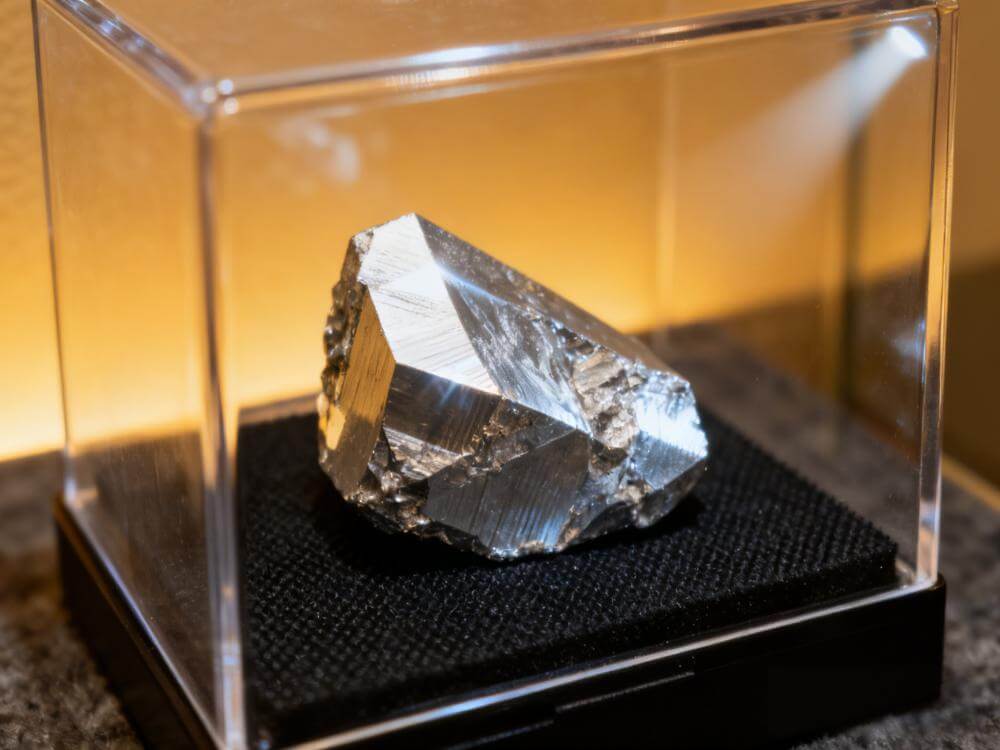
On August 24th, at the 78th World magnesium Conference of the International magnesium Association, Mr. Alan Clark of CM Consulting Company of Australia gave a special report on "Progress of Global magnesium Industry". In the report, Alan reviewed the global magnesium supply and consumption in 2020, and looked forward to the global magnesium market in the next 10 years.
In 2020, global magnesium consumption fell by 2 per cent for the first time since 2015 as a result of the COVID-19 epidemic. Among them, the aluminum alloy sector increased by 1%, the steel sector fell by 3%, and magnesium for cars fell by 10%. Global magnesium supply rose 1.7 per cent to 1.088 million tons. Of this total, China's magnesium production fell 2.6 per cent to 886000 tons, accounting for 82 per cent of the world's total. In 2020, raw magnesium production outside China was 212000 tonnes, of which the US and Russia each accounted for 31 per cent. The increase in magnesium production mainly comes from Russian magnesium plants, including JSC Avisma and Solkmask. Between 2016 and 2020, China's raw magnesium production grew by 4.9 per cent, compared with 9.1 per cent outside China.
In 2021, the magnesium market recovered significantly and prices rebounded. Global magnesium consumption is expected to grow by 8% this year, of which magnesium consumption in China is expected to grow significantly by 11%. Due to the rising prices of ferrosilicon and coal in China, the cost of producing raw magnesium has risen by 19%, which has also contributed to the rapid rise in magnesium prices. Spurred by the rise in magnesium prices, original magnesium production is expected to increase by 6.9 per cent this year. Under the background that the Chinese government promotes the goal of carbon peak and carbon neutralization and firmly follows the path of sustainable development, the production cost of raw magnesium in China is gradually rising. However, the cost level of magnesium plants using semi-coke gas as energy in Shaanxi Province is still the lowest in the industry. What needs more attention is that environmental protection inspectors and inspections are becoming more and more frequent, and the requirements are becoming more and more stringent. In Shaanxi Province, some magnesium factories have been asked to stop production, and the situation of being asked to close down may also occur in the future. Magnesium plants are investing more and more in environmental protection, increasing operating costs. The situation in other energy-intensive industries in China is similar to that in the magnesium industry.
Looking back at the international magnesium prices in the past 10 years (2011-2021), we can see that since China became a major producer of the market, magnesium prices have basically fluctuated within the same range as other metals, and their volatility is slightly smaller than that of other major metals traded on the London Metal Exchange (LME). Affected by the global COVID-19 epidemic, magnesium prices dropped significantly in 2020, while magnesium prices rebounded significantly in 2021. Over the past 20 years (2001-2021), global primary magnesium consumption has grown at an average annual rate of 5.1 per cent, thanks to growth in construction, automotive, aluminum, steel and other industries. Worldwide, the amount of magnesium used in aluminum alloy and automotive magnesium alloy components is more than 62% of the total consumption.
Looking ahead, CM believes that global demand for magnesium will continue to grow in the next 10 years, with an average annual growth rate of 5.2% over the past decade, slightly higher than in the previous decade. The main driving force behind the continued growth in magnesium demand is the growth of magnesium alloys in the automotive sector. It is expected that magnesium consumption in the automotive sector will grow at an average annual rate of 7.6% from 2021 to 2030, and in this field, the development of electric vehicles is a key factor in driving automotive magnesium. The use of magnesium in the metallurgical field will also continue to grow, and the growth will be driven by changes in the structure of varieties, such as aluminum for aviation and titanium for aviation.
CM predicts that global magnesium production will grow at an average annual rate of 5.1% from 2020 to 2030, reaching about 1.4 million tons by 2025 and about 1.8 million tons by 2030. Driven by demand and price, new projects and expansion projects of original magnesium will be completed and put into production in China and other countries in the next 10 years, with an average annual growth rate of 4.3% in China and 7.8% in other countries. Although there will be some changes in the global magnesium supply pattern in the future, and the supply will be diversified, China is still the world's leading producer of primary magnesium, with an output proportion of more than 75%. CM listed five foreign magnesium smelting projects under construction and proposed, respectively in Canada, the United States, Australia and Norway.
![Giá Magie Thỏi Được Hỗ Trợ Bởi Chi Phí; Nhu Cầu Yếu Ở Thị Trường Trong Nước và Nước Ngoài Có Thể Dẫn Đến Tích Lũy [SMM Tin Nhanh Giá Magie Thỏi Giao Ngay]](https://imgqn.smm.cn/usercenter/LYGyd20251217171725.jpg)
![Giá thỏi magie tăng do chi phí sản xuất leo thang, trong khi nhu cầu ảm đạm hạn chế đà phục hồi [SMM Tin nhanh giá thỏi magie giao ngay]](https://imgqn.smm.cn/usercenter/qjvqf20251217171725.jpg)